 🔍 Browse
🔍 Browse
🔍 Browse
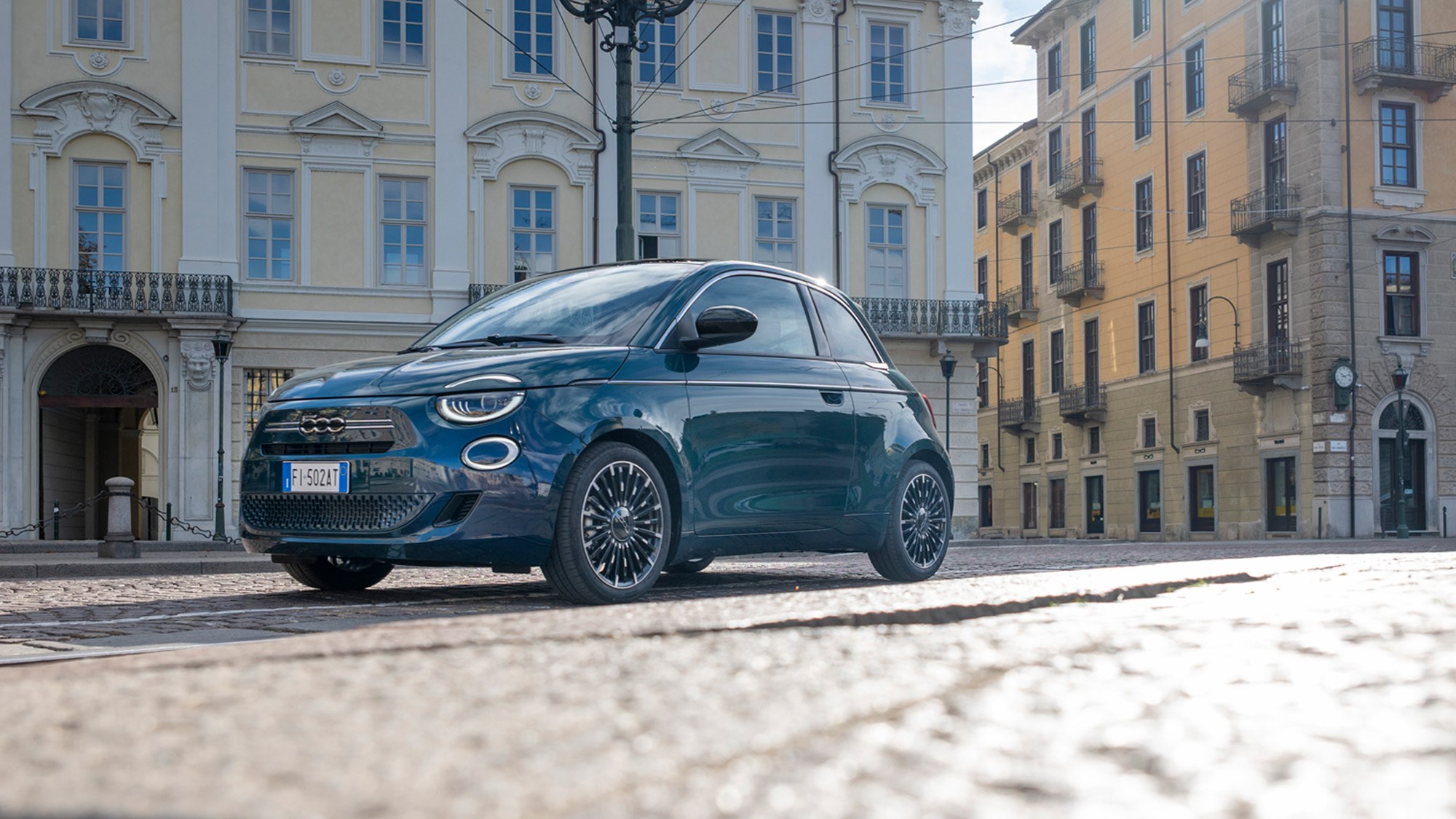
The 1.0 mild hybrid arrived in 2020 with a 70 hp three-cylinder engine, 12V belt starter-generator and six-speed manual gearbox. It is not a plug-in and, as a post-April 2017 car, normally pays the standard VED rate.
Search Our Stock ❯The Fiat 500 1.0 mild hybrid arrived in 2020, replacing the older 1.2-litre petrol engine. It's a deliberate step toward efficiency and lower emissions without sacrificing the driving experience or fun that defines the 500. But what exactly is a mild hybrid, and is it genuinely better than what came before?
The Fiat 500 1.0 mild hybrid (MHEV) uses a belt-driven starter-generator (BSG) and intelligent 12-volt electrical system to improve efficiency. During deceleration and braking, the electric motor switches to generator mode, recovering kinetic energy that would normally be wasted as heat. This energy charges the 12V battery. During acceleration, the motor assists the petrol engine, providing supplementary torque that improves acceleration without increasing fuel consumption.
It's fundamentally different from plug-in hybrids or full hybrids. No large battery pack. No electric-only driving capability. No complicated dual-motor systems. It's a conventional petrol engine with an intelligent electrical system that makes it slightly more efficient.
The 70 bhp output is identical to non-hybrid alternatives — the mild hybrid system doesn't add power; it optimises existing efficiency. Acceleration feels the same; you won't notice the hybrid assistance. What you will notice is smooth, seamless transitions during light acceleration and a reduction in throttle lag. The experience is refined rather than revolutionary.
Fiat's UK launch specification gives 53.3 mpg WLTP combined. Real-world consumption varies with speed, journey length, weather, load and driving style, so compare several tankfuls rather than relying on a single claimed figure.
The 1.0 hybrid does not qualify for a special £20 annual rate. UK examples were first registered after April 2017 and normally pay the standard VED rate, which is £200 in 2026/27. Compare fuel, insurance, servicing and purchase price using the exact registration.
The mild-hybrid system is simpler than a full hybrid, but it still adds a belt starter-generator, lithium battery, control electronics and software. The engine's camshaft is chain-driven; the separate auxiliary belt operates the BSG and should be inspected according to the service schedule.
Routine engine servicing covers familiar oil, filters and spark plugs, while the BSG belt, battery and hybrid electronics also need appropriate inspection and diagnosis. Use the schedule for the exact model year and a garage equipped to work on the 12V hybrid system.
Early cars now provide useful reliability evidence, but no component is guaranteed for a particular mileage. Check for warning messages, starting problems, unusual belt noise and a complete service history when assessing a used example.
Used values change with age, mileage, trim and condition. There is no automatic tax saving over a later petrol car because the 1.0 hybrid normally pays the same post-April 2017 standard VED rate. Compare the exact cars, fuel use, insurance and work due.
Since 2020, the 1.0 hybrid has been standard on new 500s, so if shopping used for modern examples, you're likely looking at hybrid models regardless. The real choice is usually hybrid vs. older non-hybrid 1.2 models, and the hybrid wins economically.
The hybrid and electric 500 serve different needs. The hybrid is a petrol car with efficiency improvements; the 500e is a fully electric vehicle. The trade-off:
Hybrid Strengths: Unlimited range, no charging infrastructure concerns, suitable for long-distance driving, lower purchase price (used from £8,000-£12,000), no battery degradation concerns, faster refuelling (five minutes at a petrol station).
500e Strengths: Zero tailpipe emissions, quiet single-speed driving and potentially lower energy and routine-maintenance costs. Road tax and company-car tax are not zero in 2026/27, so check current VED and benefit-in-kind rates.
For urban commuters with home charging, the 500e makes sense despite £15,000-£20,000 used prices. For buyers needing unlimited range or lacking charging infrastructure, the hybrid is the logical choice at £8,000-£12,000.
The Fiat 500 1.0 mild hybrid can be a sensible city car for drivers happy with a six-speed manual. Check real fuel use, insurance, the £200 standard VED rate for 2026/27 and the model-year service requirements before calculating ownership costs.
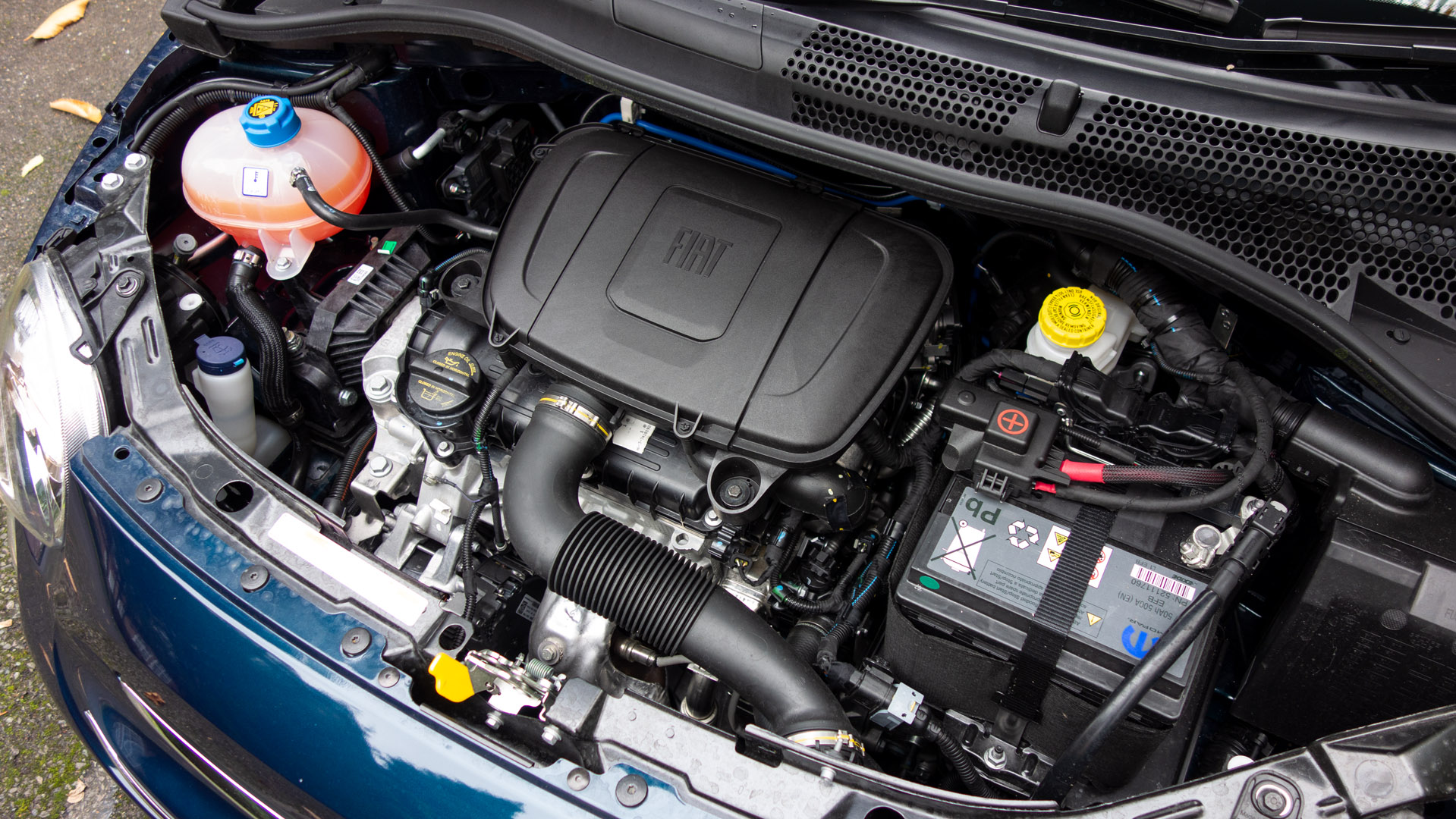
Low running costs, no range anxiety, iconic 500 style. Browse our hybrid stock.
Search Our Stock ❯