 🔍 Browse
🔍 Browse
🔍 Browse
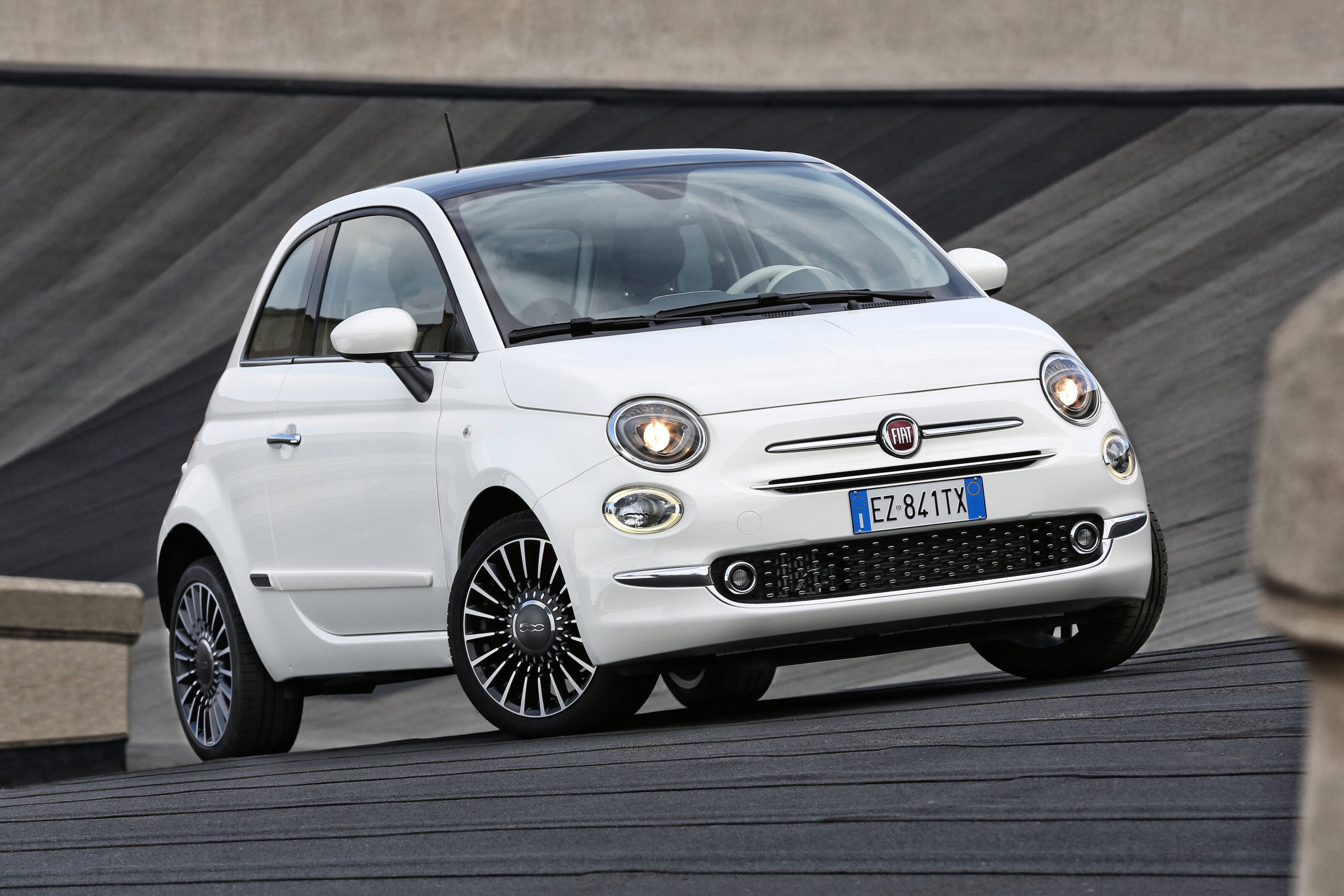
The complete guide — from choosing your generation and engine to checking paintwork and negotiating a fair price. Written by Sheffield's Fiat 500 specialists.
Search Our Stock ❯At Fiat 500 Frenzy, we're Sheffield's only dealership dedicated exclusively to the Fiat 500. With over 60 years of combined motor trade experience, Tom and Shane have the expertise to guide you through every aspect of Fiat 500 ownership. Whether you're buying, selling, or just researching, we're here to help — no pressure, just honest advice from people who genuinely love these cars.
The modern Fiat 500 you'll find in the used market is the third-generation Mk3, launched in 2007. Understanding the different generations, engines, and trim levels is crucial for making an informed purchase. The Mk3 has been continuously refined over 17 years, with a significant facelift in 2015 that improved reliability, infotainment, and driving refinement. Knowing which production period you're buying from can make the difference between a solid ownership experience and ongoing mechanical frustration.
The modern Fiat 500 has several distinct powertrains. The 69 hp 1.2 FIRE petrol is simple and widely available, but it uses a toothed timing belt that Fiat says must be replaced at least every five years, or every four years in demanding use. The turbocharged 0.9 TwinAir was offered in several outputs and uses a timing chain; it needs careful oil-level and service-history checks. The 1.3 MultiJet diesel also uses a chain and can suit regular longer journeys, but repeated short trips can create DPF problems. The 1.0 mild hybrid is manual-only, while the separate electric 500 launched in 2020 provides single-speed two-pedal driving. Economy, power and range vary by exact year and derivative, so verify the registration rather than relying on a single range-wide figure.
Fiat offered numerous trim variants across the 500's lifespan. The entry-level Pop is basic—manual windows, no air-con on early versions, vinyl seats, and minimal infotainment. Don't discount it; many buyers specify Pop intentionally for simplicity and lower purchase price. Pop Star adds comfort features like electric windows, air conditioning, and a more modern interior. Lounge is the sweet spot for used buyers: it typically includes climate control, alloy wheels, better trim materials, and earlier examples may have the original Uconnect infotainment system. Sport variants add firmer suspension, sportier visual cues, and sometimes upgraded seating. The 2015 facelift introduced the S trim, which consolidated much of the old Lounge/Sport equipment into a single, better-integrated package. Icon and higher trims (Dolcevita, La Prima) add luxury items like heated leather, better sound systems, and premium trim. For 2020+ cars, the Connect nomenclature was introduced alongside visual updates. The key takeaway: post-2015 cars have vastly superior infotainment (touchscreen Uconnect vs. the dated systems in pre-2015 models), better climate control integration, and refined interior materials. You'll pay a premium, but it's worth it.
The 2015 facelift brought revised exterior details and touchscreen Uconnect equipment on many trims. It did not change Dualogic into a dual-clutch transmission or add a CVT: Dualogic remained a five-speed robotised manual on selected 1.2 and TwinAir 85 cars. Manual gearbox choice depends on engine, with five speeds on the 1.2 and TwinAir 85 and six on the TwinAir 105 and later 1.0 hybrid.
Used prices move continuously and depend on engine, gearbox, trim, mileage, condition, history and location. Compare several current dealer listings for the same derivative and inspect what work is due. The combustion-engined 500 did not have a CVT: selected 1.2 and TwinAir 85 cars used five-speed Dualogic, while the electric 500 uses a single-speed reduction gear. Treat fixed mileage deductions and automatic premiums as unreliable without current comparable sales.
Your options are clear: franchised Fiat dealers (rare outside major cities), large independent dealers, specialist 500 dealers like Fiat 500 Frenzy, or private sellers. Franchised dealers offer warranty and consumer protection but charge top dollar. Large chains have bigger stock but less expertise. Specialist dealers (our recommendation) combine inventory, mechanical knowledge, and often friendly financing. Private sellers are cheapest but risky unless you're mechanically confident. Always insist on a pre-purchase inspection at an independent Fiat specialist (£100-200 well spent) before parting with money, regardless of where you buy. This catches hidden problems like pending gearbox failure or rust in load-bearing areas.
Before handing over cash, physically inspect the car. Check for smooth gear engagement, clean shifts (especially on manual, where grinding suggests worn synchromesh), and no clunking from the transmission tunnel when accelerating. The Dualogic in pre-2015 cars should feel decisive; hesitation or shuddering indicates expensive repair (£800-1,200 for actuator replacement). Ensure the engine starts cleanly and idles smoothly; smoking from the exhaust suggests TwinAir oil burning or diesel injector issues. Listen for clutch chatter (worn bearing) or transmission whine. Examine the bodywork for rust, particularly around the sills (classic 500 weakness), wheel arches, and the top of the doors where water pooling occurs. Check for panel-gap inconsistencies suggesting accident repair. Inspect the interior for wear patterns—high mileage should show it—and test all electrics: windows, locks, sunroofs, and the infotainment. Test drive over rough ground listening for suspension noises (worn top mounts on the front struts are common on high-mileage cars, typically £400-600 to replace). Request full service history; a car serviced by Fiat dealers with receipts is worth £500+ more than one with "regular maintenance."
Insurance groups matter for affordability. A 1.2 Pop sits in group 1-3 (cheapest), while a TwinAir Sport can hit groups 7-10. A diesel Lounge typically sits group 6-8. Electric 500e cars are group 8-11 due to repair costs. Young drivers will see premiums rise sharply (up to 3-4x the standard rate); older drivers enjoy lower premiums. Use comparison sites to check exact quotes before committing to a specific model.
Road tax must be checked from the registration. For 2026/27, pre-April 2017 cars use CO₂ bands starting at £20, while most petrol, diesel and electric cars first registered from April 2017 pay the £200 standard annual rate. Insurance, fuel, charging and servicing also vary, so calculate ownership costs for the exact vehicle rather than using range-wide estimates.
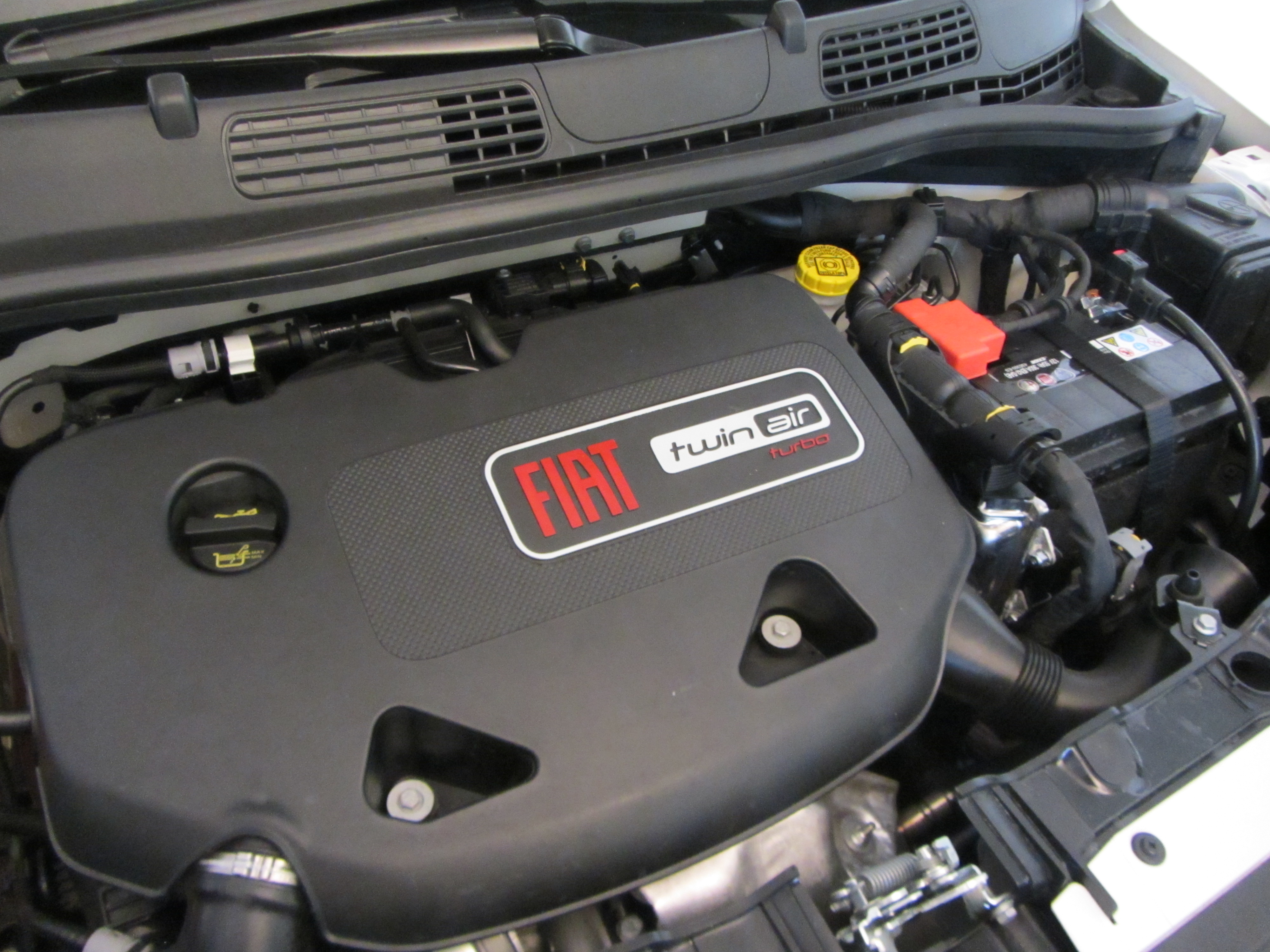
A thorough pre-purchase inspection catches hidden problems before they become expensive repairs.
Fiat 500s hold value well, so don't expect huge discounts. Research the exact model, mileage, trim, and condition on comparable cars in your region before viewing. Ask for £500-800 off if service history is partial (missing stamps), minor cosmetic damage exists (alloy scuffs, interior wear), or there are known mechanical quirks like TwinAir consumption (with bills to prove it's normal). Don't negotiate hard if everything checks out; fair pricing for condition is respected in the 500 market. Walk away if the seller won't provide MOT history or drops prices dramatically at the last moment—it signals hidden problems.
Most independent dealers offer hire-purchase or personal contract hire through third-party lenders. Interest rates in April 2026 typically range 6.9%-9.9% APR for good credit. Personal loans from high street banks are usually cheaper (4-7% APR) but require upfront cash. Specialist finance brokers sometimes offer better rates by shopping across multiple lenders. Always read the small print: some deals charge large balloon payments at the end, others have mileage restrictions. For peace of mind, paying cash (or the majority in cash) keeps you in control and saves on interest.
Avoid cars with evidence of poor accident repair, unresolved warning lights or an explanation that does not match the paperwork. For TwinAir, check oil level, the correct specification and dated invoices; for Dualogic, test cold and warm and obtain Fiat-compatible diagnostics. Compare service gaps with the exact model-year schedule rather than applying a universal 10,000-mile rule. Any concern should lead to an independent inspection and itemised repair quote.
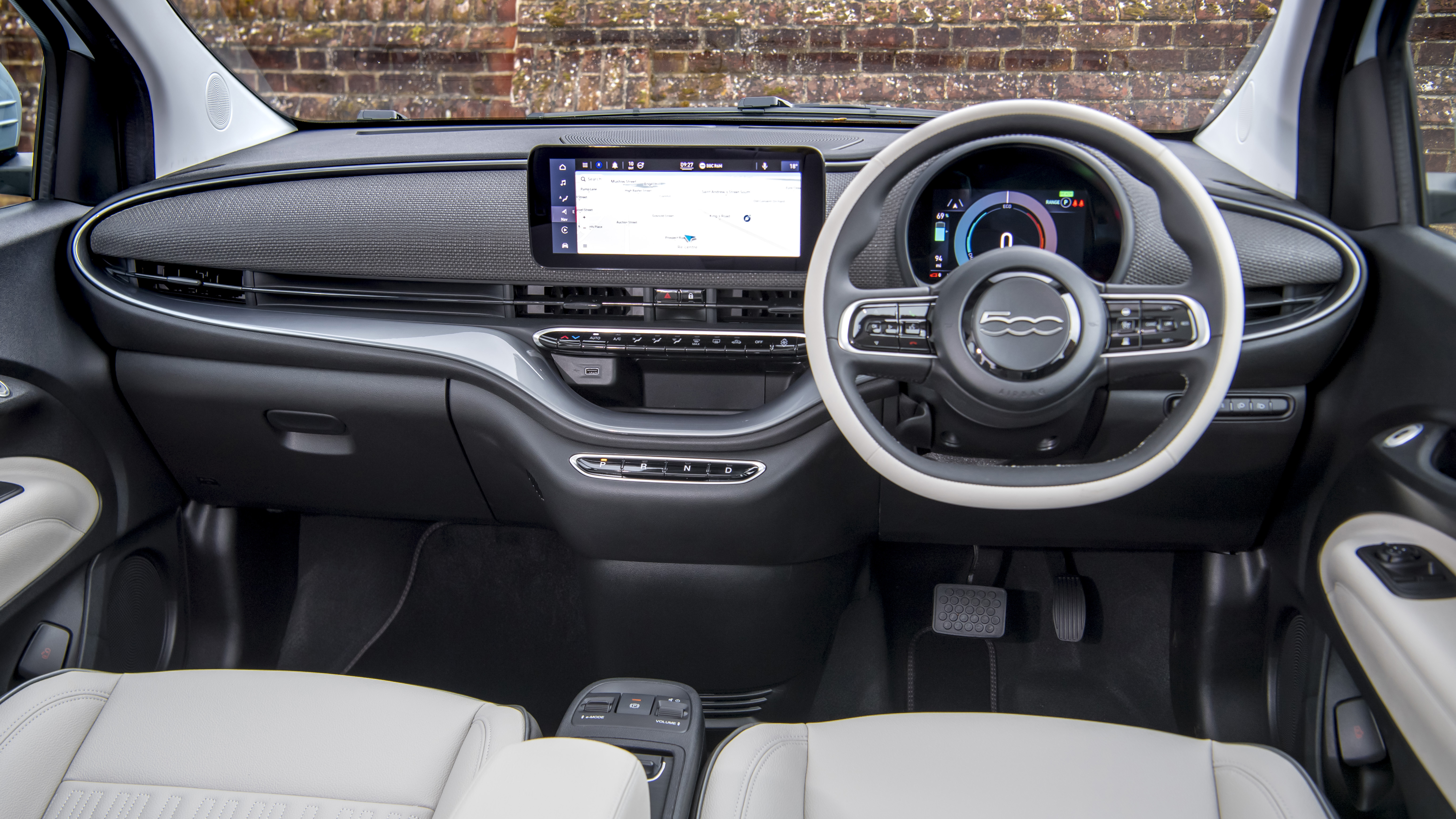
The interior of a well-maintained Fiat 500 shows character and holds up well over time.
Sheffield's dedicated Fiat 500 specialists. 60+ years combined experience.
Browse Stock ❯