 🔍 Browse
🔍 Browse
🔍 Browse
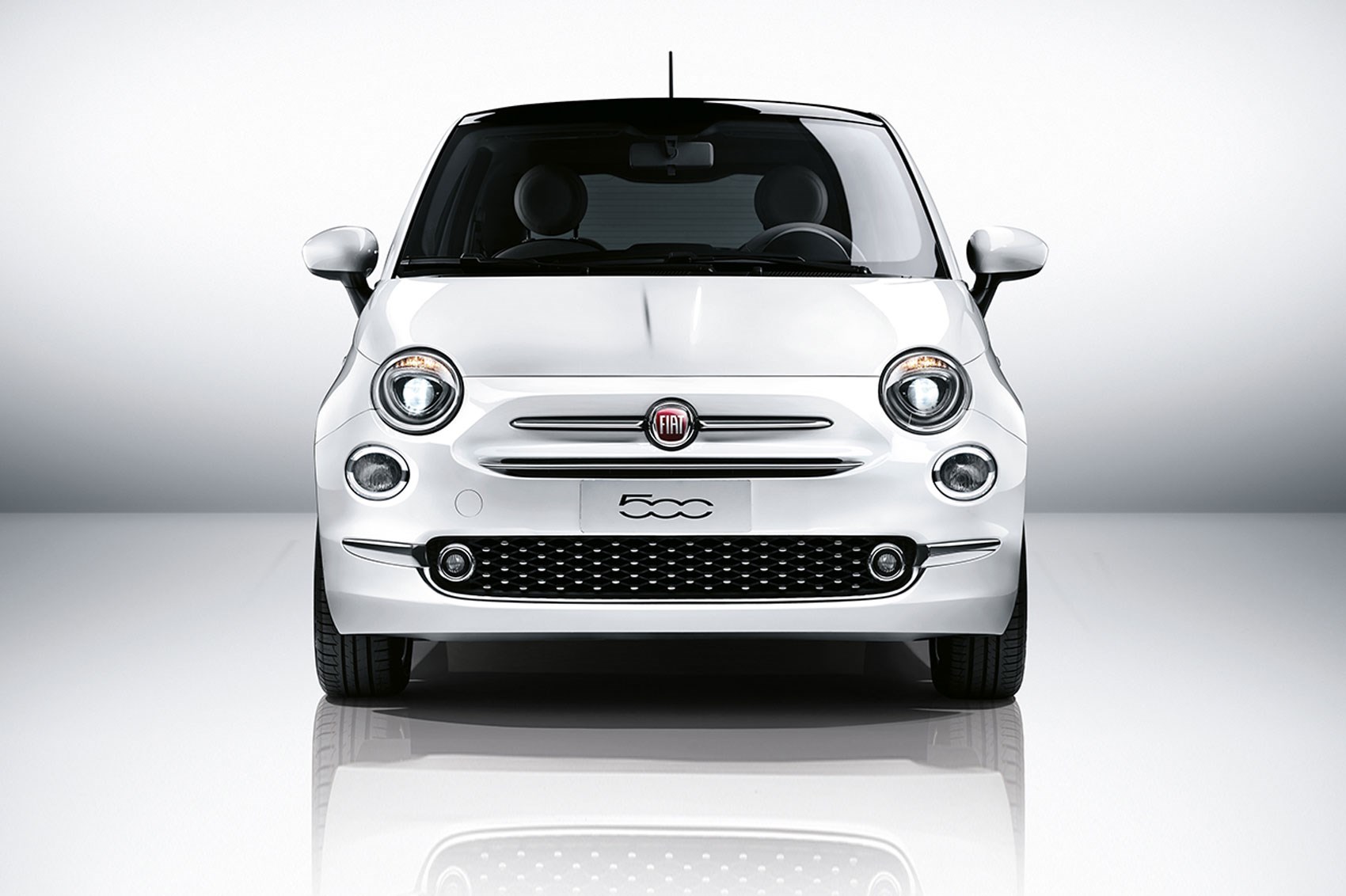
Not all Fiat 500 model years are equal. We break down which years offer the best value, best equipment, and best reliability.
Search Our Stock ❯At Fiat 500 Frenzy, we're Sheffield's only dealership dedicated exclusively to the Fiat 500. With over 60 years of combined motor trade experience, Tom and Shane have the expertise to guide you through every aspect of Fiat 500 ownership. Whether you're buying, selling, or just researching, we're here to help — no pressure, just honest advice from people who genuinely love these cars.
The third-generation Fiat 500 has evolved continuously over 17 years, with clear turning points where improvements leap forward. Understanding these milestones allows you to target the best value proposition: either buying the sweet spot of refinement versus affordability, or deliberately seeking earlier examples if budget or character appeal guides your decision. There is no universally "best" year; the answer depends on your priorities. Are you optimising for reliability? Handling? Infotainment? Budget? We'll break down each era's strengths and weaknesses so you can decide.
The original 2007 500 launched to fanfare and instant cult status. It was styled beautifully, with that retro-modern appeal still relevant today. Mechanically, it was conservative: the 1.2 engine was proven from the Panda, the five-speed manual straightforward. However, 2007-2008 models are now 17-18 years old and not recommended unless you're either a restoration enthusiast or have minimal budget. These early cars suffer from electrical gremlins (window switches failing at £80-120 each, sometimes all four windows; central locking modules prone to failure; the original Uconnect infotainment system is prehistoric and laggy), more corrosion-prone panels, and older emission control systems requiring more frequent cleaning. The ride is stiffer than later models (Fiat revised suspension tuning in 2009), and safety tech is minimal compared to modern standards. Find a well-maintained example and it will be reliable, but expect niggling electrical issues. Prices for these years sit £1,500-2,500 for Pop, reflecting their age and parts obsolescence risk. Only buy 2007-2008 if the price is irresistible and service history is impeccable.
By 2009, Fiat had resolved some early niggles. The suspension was revised for better comfort, the clutch improved, and interior trim quality was enhanced. The 1.2 engine had accumulated production run-in hours and was proving reliable. 2010 saw a minor facelift with revised bumpers and subtle interior updates. This period is where the TwinAir engine arrived in 2011—a game-changing powertrain that made the 500 feel modern and responsive. 2009-2011 cars are an excellent budget buy: fully mature design with sorted mechanicals, typically £2,800-3,800 for well-maintained Pop or Lounge examples. The downside: still-aged electrical systems, aging interior trim on 2009-2010 examples (leather can crack, plastics feel cheapish), and five-speed transmissions feeling notchy compared to later six-speed options. The TwinAir in 2011-2012 versions does consume more oil (normal but requiring monitoring), and the Dualogic automated manual—if present on early examples—is the achilles heel (unreliable, seeking examples without this gearbox is wise). If you want the most affordable 500 that's mechanically sorted and characterful, this era delivers; budget accordingly for cosmetic and electrical wear.
2012-2014 cars can offer good value because the design was established and many 1.2 manuals are available. Condition matters more than a claimed “sweet spot”: check the 1.2's dated cambelt history, cooling system, clutch, suspension, tyres and electrical equipment. These cars pre-date the 2015 touchscreen facelift, so equipment varies by trim. Compare current listings rather than relying on fixed example prices.
The 2015 facelift brought revised exterior details and Uconnect touchscreen equipment on many trims. It did not make a six-speed manual standard across all petrol cars: the 1.2 and TwinAir 85 specifications used five-speed gearboxes, while the TwinAir 105 used a six-speed manual. Dualogic remained a five-speed robotised manual on selected 1.2 and TwinAir 85 versions. Later cars can feel more modern, but they still need the same engine- and gearbox-specific checks.
2019 was the last year of unrestricted petrol-only production. As the market pivoted toward electric (500e launched in 2020), late 2019 petrol examples became rarer and commanded small premiums. A 2019 Pop or Lounge with low mileage (15,000-25,000) might fetch £7,800-8,500, slightly above a 2018 equivalent. Some buyers actively seek 2019 petrol models for their "last of the generation" appeal or to avoid electric purchasing anxiety. Unless you specifically prefer petrol over electric, the premium isn't justified; a solid 2018 at lower mileage offers better value.
2020 brought the separate new-shape electric 500e alongside the legacy combustion car. The EV uses a 24 kWh battery with a 93 hp motor or a 42 kWh battery with 118 hp; official range and charging differ accordingly. Compare current prices, battery health, charging specification, history and warranty rather than assuming a fixed premium by model year.
For 2021-2023, the legacy 500 range centred on the 1.0 mild hybrid with a six-speed manual, while the separate electric 500 used a single-speed reduction gear. There was no CVT petrol version. Compare exact trim, mileage, warranty, battery or service history and current market price rather than assuming a later year is automatically better.
Late 2023 and 2024 models are essentially new, often with remaining manufacturer warranty. Petrol examples sit £9,500-11,000, electric £13,000-16,000 depending on spec and mileage. These are not good value purchases for resale; depreciation will be steep in year one. Buy 2024 only if you're planning long-term ownership and want the latest spec/warranty, or if you need zero-mileage peace of mind. For value, 2018-2020 represent better buying.
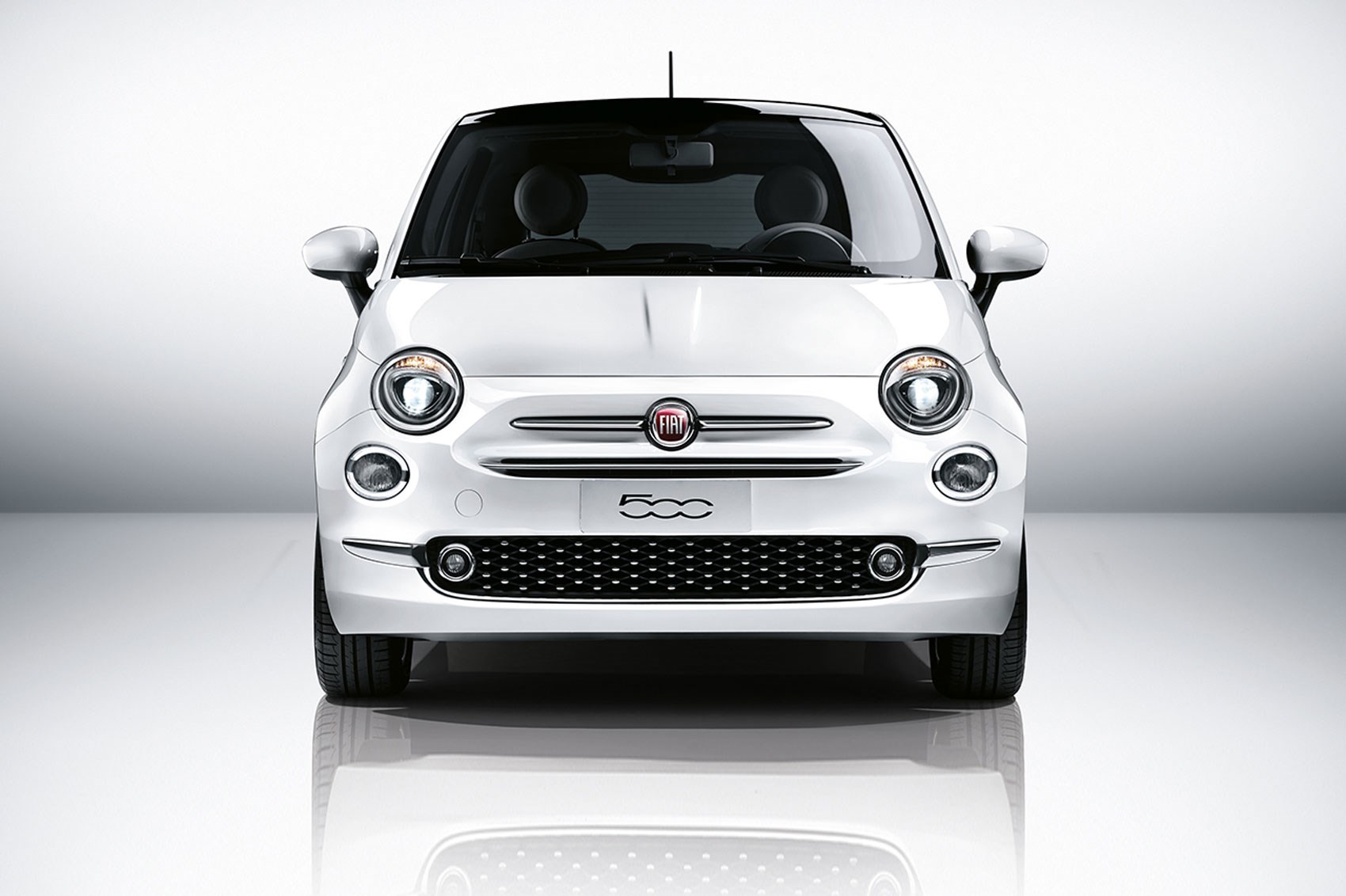
Pre-facelift models have character but lack modern conveniences; post-2015 cars offer better overall usability.
1.2 petrol: Uses a toothed timing belt; check dated replacement evidence and the cooling system. TwinAir: Uses a timing chain and needs correct oil, regular level checks and consistent servicing. 1.3 MultiJet diesel: Also chain-driven, but best suited to journeys that allow the DPF to regenerate. Manual gearboxes: The exact number of ratios depends on engine; the 1.2 and TwinAir 85 commonly use five speeds, while the TwinAir 105 and 1.0 hybrid use six. Dualogic: A five-speed robotised manual offered on selected 1.2 and TwinAir 85 cars. Electric 500: Uses a single-speed reduction gear, not a CVT. Verify every car by registration and specification.
Pre-2015: Pop (basic), Pop Star (comfort), Lounge (premium), Sport (sporting variant). 2015+: Pop (basic), Lounge (standard premium), S (new mid-range), Sport (sporting), Icon/Dolcevita (top luxury). Modern Connect (2022+) sits above Lounge but below Icon. For cabin quality, 2015+ Lounge is significantly better than pre-2015 Lounge (materials, layout, screens). A 2018 Lounge feels more upmarket than a 2013 Lounge at equivalent condition.
Maximum Value: 2016-2017 Lounge 1.2 manual, 40,000-50,000 miles, full service history. Expect £6,800-7,500, representing genuine excellence. Maximum Reliability with Lower Budget: 2013-2014 Pop or Lounge 1.2 manual, 60,000-75,000 miles, full history. Expect £4,000-4,800, knowing the infotainment is dated but mechanicals are bulletproof. Maximum Modernity on Budget: 2015-2016 Pop 1.2, 50,000-60,000 miles. Expect £5,800-6,500, gaining modern infotainment without overpaying for Lounge trim. Maximum Long-Term Ownership: 2020-2021 electric 500e 118bhp, 20,000-30,000 miles. Expect £11,500-13,000, sacrificing short-term value but gaining 10+ years of zero-emission, low-cost driving. If Budget Allows: 2018-2019 Lounge or Sport 1.2 or TwinAir, 30,000-40,000 miles, full history. Expect £7,200-8,500. This is the "have it all" option: modern, characterful, thoroughly proven, and with good future resale potential.
Sheffield's dedicated Fiat 500 specialists. 60+ years combined experience.
Browse Stock ❯