 🔍 Browse
🔍 Browse
🔍 Browse
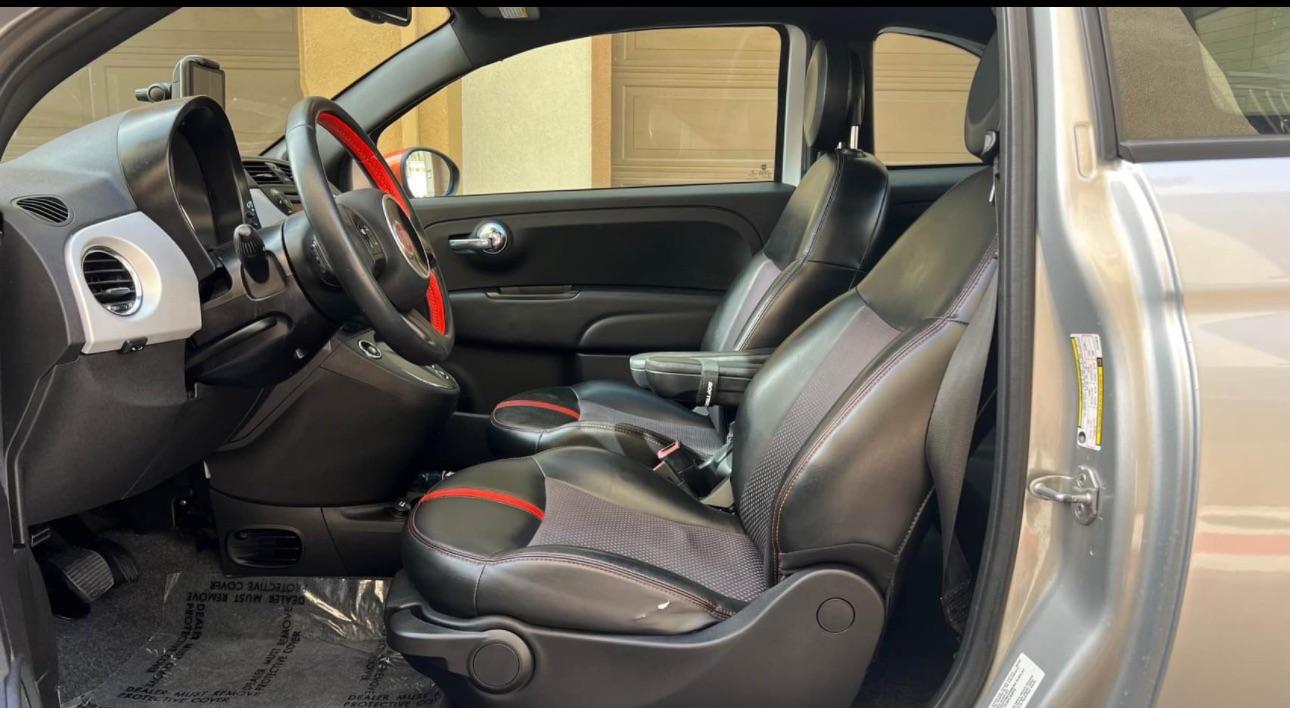
A hands-on inspection guide. What to look at, listen for, and ask about when you go to view a used Fiat 500 — whether from a dealer or private seller.
Search Our Stock ❯At Fiat 500 Frenzy, we're Sheffield's only dealership dedicated exclusively to the Fiat 500. With over 60 years of combined motor trade experience, Tom and Shane have the expertise to guide you through every aspect of Fiat 500 ownership. Whether you're buying, selling, or just researching, we're here to help — no pressure, just honest advice from people who genuinely love these cars.
Before viewing, check the official MOT history using the registration. Read the advisories as a pattern rather than assuming a clean pass proves perfect care, and compare recorded mileage with the dashboard and invoices. Request dated service records and compare them with the exact engine and model-year schedule; a universal 10,000-mile rule does not fit every 500. Check the V5C details and seller's authority to sell, but remember the V5C is not proof of ownership.
Before moving, walk around the stationary car. Check that all four tyres are legally safe (1.6mm minimum tread depth, inspectable with a 20p coin: insert it into the tread; if the inner band of the coin is visible, tread is below legal limit). Look for uneven wear—inner or outer edge worn more than the centre suggests suspension geometry problems or incorrect pressures, typically requiring realignment (£60-150). Note the condition: a car sitting on muddy forecourt or unwashed after months suggests lack of dealer pride or attempts to hide poor condition under grime. Examine the bodywork panel-by-panel in bright sunlight. Check for orange-peel texture in the paint (cheap resprays), overspray on trim pieces (indicates accident repair), and mismatched panel shades (lights, bumpers, doors). Look for stone chips (normal on fronts), but deep scratches through primer or undercoat suggest accident or poor repair. Examine the sills and lower body—classic 500 rust spots. Run your finger along the bottom of the doors and over the sills; if you catch rust flakes, the corrosion is active. Peer at wheel-arch interiors; surface rust is normal, but deep pitting suggests long-term damp exposure. Check for water staining or dampness in the wheel arches by looking up from underneath.
Sit in the driver's seat and adjust it fully forward and back; check for smooth movement and locking in place. Test the steering wheel tilt and reach adjustment (if equipped). Switch on the ignition without starting and check that all warning lights illuminate properly (green/amber lights for electrical systems, then extinguish after 2-3 seconds). A remaining warning light indicates an active fault. Test all electrics: windows (should move smoothly in both directions with no grinding), door locks (central locking on all doors plus remote), sunroof or large panoramic roof if equipped (should open/close without binding). Check the air-conditioning: set it to cold and feel the vents. Proper AC blows noticeably cold within 30 seconds; weak or warm air suggests refrigerant loss (£150-250 to recharge) or compressor failure (£800-1,500). Smell the air output; stale or musty odours indicate mould in the cabin air filter or evaporator (normal in damp climates, solvable with filter replacement and fungicide treatment, £50-150). Test the heater; it should blow warm within a minute and reach hot within 3-4 minutes. Examine the seats for tears, burns, or excessive wear. A car with 80,000 miles should show some wear in the driver's seat bolster; pristine condition suggests clocking. Press hard on the seat base and back; if it flexes excessively or foam is compressing unevenly, the seat has been heavily used or sat in by heavy people (not a concern mechanically, but reveals true wear). Check the steering wheel and gear knob for shine (worn to bare plastic suggests high mileage despite what the speedo says). Examine the dashboard for cracks, air-vent staining (indicating previous interior water ingress), and any broken switches or trim. Test the infotainment system: enter the menu settings and check how the mileage logs (should match the displayed odometer and MOT records). On post-2015 models with touchscreen Uconnect, verify it responds to touches without lag, check that the reversing camera (if equipped) displays clearly, and test connectivity (Bluetooth pairing, Apple CarPlay/Android Auto if equipped).
Open the bonnet and look for evidence of major leaks: oil pooling, coolant staining (usually green or pink), or transmission fluid (red, thin). A small drip is normal on older cars; puddles beneath the car parked overnight indicate a problem. Inspect the oil dipstick: the level should be between minimum and maximum marks. Dark, thick oil suggests infrequent changes or old oil; fresh oil is honey-coloured. Check the coolant expansion bottle (usually transparent plastic); fluid should be visible between min/max lines. If completely empty or overly milky, there's overheating or a coolant leak. Look at the engine oil cap and underneath the cap for white, mayonnaise-like residue—indicates head gasket failure and water in the oil (serious, potentially £1,500-3,000 repair). Examine the battery; if corroded terminals show, poor maintenance is indicated. Look at the spark plugs (accessible on 1.2 and TwinAir, less so on diesel): they should be light tan or grey; sooty black indicates running rich (carburettor issues on old cars, though fuel injection on modern 500s rarely has this), and white/ash colour suggests very clean running or lean condition. Check for obvious leaks around the sump, gearbox bell housing, and transmission pan. Hoses should be supple, not cracked or brittle. Examine the serpentine belt (the long rubber belt driving ancillaries); it should be intact without cracks, glazing (shiny patches), or fray marks. A worn belt costs £40-80 to replace.
Turn the key to start. A healthy engine fires immediately with a smooth crank. Rough starting, extended cranking (more than 3-4 seconds), or multiple attempts to catch suggest worn starter (£200-400), flat battery (£60-150), or fuel system issues. Listen for knock or pinking (metallic tapping increasing with throttle)—indicates low octane fuel, carbon buildup, or timing issues (pre-facelift 1.2s can suffer this). Once running, check the idle: should settle to a smooth 800-1,000 rpm within 10 seconds. TwinAir engines are naturally slightly rougher than the 1.2. Excessive vibration through the steering wheel or foot pedals suggests worn engine mounts (£300-500 to replace all four). Observe the exhaust: black smoke (especially on a warm engine) indicates running too rich; white smoke on cold start can be normal condensation but persistent heavy white smoke suggests coolant burning (head gasket). Blue smoke is oil burning, common on high-mileage TwinAir or 1.2s with worn piston rings, though normal TwinAir consumption is covered by the service history you'll check. Green smoke is extremely rare and suggests solvent ingress or experimental fuels. No visible smoke is ideal.
Test-drive on varied roads from cold and after warm-up. A manual clutch should engage progressively without slip or shudder, and every gear should select cleanly. A Dualogic should engage drive and reverse without warning lights, unexpected neutral or long delays; remember that a brief pause during shifts is characteristic. Listen for suspension knocks, wheel vibration and abnormal engine noise, check that the brakes stop straight, and confirm that the electric power steering operates consistently with no warning light.
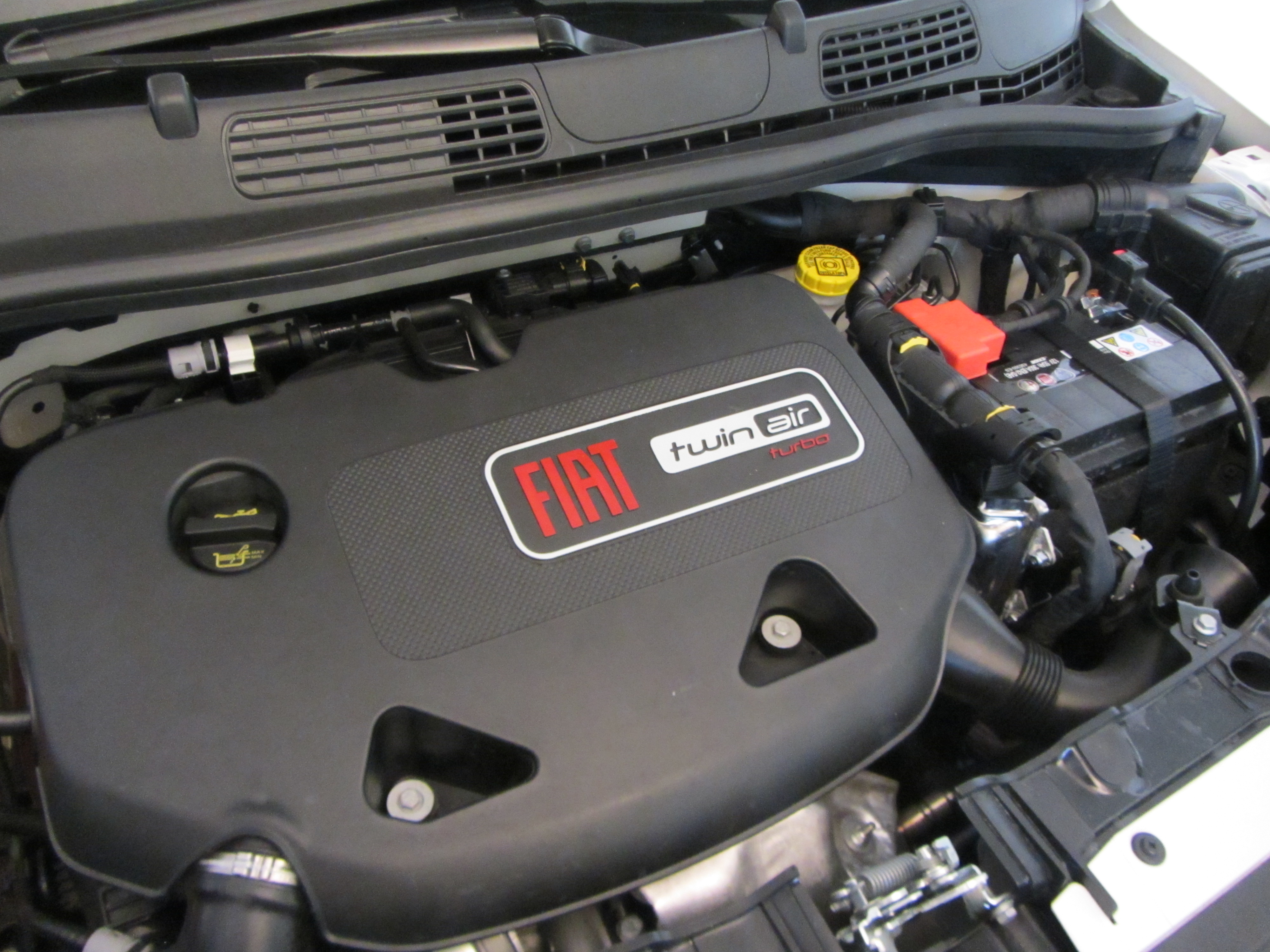
A clean engine bay with no evidence of leaks or damage is a sign of proper maintenance.
Manual: Check every gear, clutch engagement and any bearing or synchromesh noise. Dualogic: This is a five-speed robotised manual, not a CVT. Test it cold and warm for warning messages, delayed engagement, shudder, leaks or unexpected neutral, and use Fiat-compatible diagnostics if there is any concern. Electric 500: It uses a single-speed reduction gear, so hesitation or warning messages require EV-capable diagnosis.
This matters more than most buyers realise. Look for signs of interior dampness: musty odours (worst indicator), staining on the headliner, or damp carpets beneath the seats. Open the boot and check the spare wheel well; if it's wet or has permanent staining, water has entered and may not be easily drainable. Check behind the rear seat cushion (often removable) for water staining. On cars with panoramic roofs (especially hardtop electric 500s), check the headliner for water stains extending from the roof edges. Test the windows: on a humid day with the car heated, the inside of the windows should remain clear within 5 minutes of stopping. Persistent misting or condensation on the inside of the glass on a warm day suggests a leaking seal or interior moisture (potentially mould). Do not ignore this; mould remediation is difficult and expensive (professional detailing £300-600+).
Have a helper apply steady pressure to each corner of the car while you observe: the suspension should compress evenly and return to ride height without bouncing excessively. Repeated bouncing indicates worn shock absorbers (all four should be replaced together, £500-800 for parts and labour). Uneven compression (one corner barely moving) suggests a seized or totally failed shock. On a tight corner, listen for a pop or creaking sound from the suspension; this indicates dry ball joints or worn bushings (suspension geometry is critical to handling and safety—address these). Check the steering rack by turning the wheel side-to-side while stationary: it should move smoothly without notchiness or play. Excessive play (more than 2 inches of wheel movement without the front wheels turning) suggests worn rack ends or main bearings in the rack (£200-400 for ends, £800-1,200 for a full rack assembly). Electric power steering (EPS) on all modern 500s can fail, leaving the car with manual steering (still drivable but harder). If you hear a noise from the steering column on sharp turns, this is a red flag for EPS issues (repair costs vary, but new units are £1,200-1,800).

Always check the complete MOT history on the DVSA website before viewing a car.
This is non-negotiable. Pay an independent Fiat specialist £100-200 to conduct a full diagnostic scan and inspection. They'll connect an OBD2 scanner to the engine management computer and retrieve any historical fault codes, revealing problems the warning lights might not have triggered yet. They'll perform a compression test (identifies worn rings and valve seats), check transmission fluid condition (dark fluid indicates wear or overheating), and perform a thorough visual inspection from underneath on a ramp. This investment catches hidden transmission failures, electrical gremlins, and structural rust before you commit. Many private sellers and small dealers refuse permission for this inspection; if they do, walk away—they're hiding something.
Sheffield's dedicated Fiat 500 specialists. 60+ years combined experience.
Browse Stock ❯