 🔍 Browse
🔍 Browse
🔍 Browse
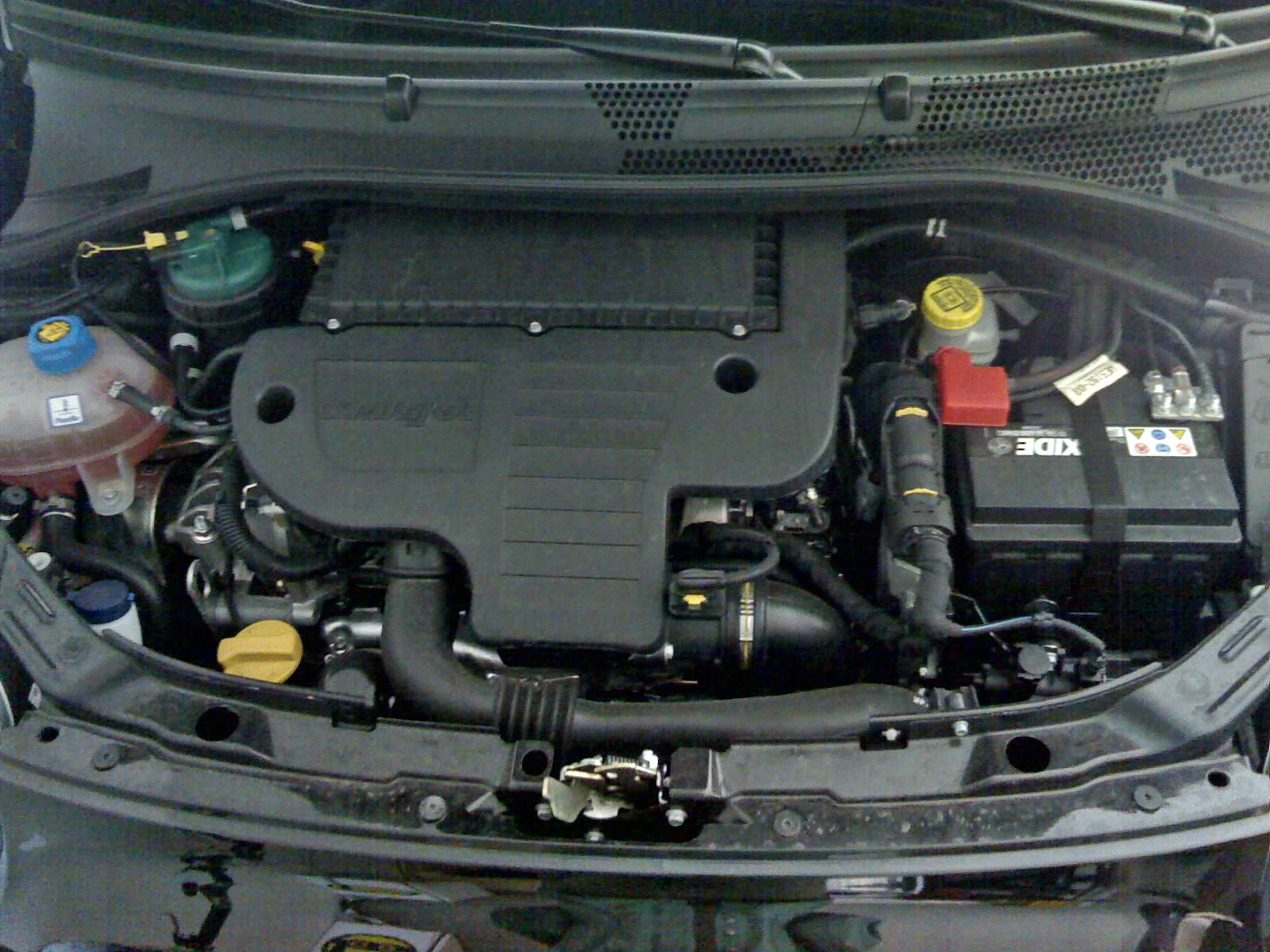
The 1.3 Multijet diesel was fitted to UK 500s from 2007 and returned to the facelift range in 2016. Period official figures were strong, but its suitability depends on journey pattern, condition and DPF history.
Search Our Stock ❯The 1.3 Multijet came in distinct 75 hp and 95 hp versions. The 75 hp unit produces 145 Nm, reaches 62 mph in 12.5 seconds and has a 103 mph maximum; the later 95 hp version produces 200 Nm, reaches 62 mph in 10.7 seconds and has a 112 mph maximum. Period official economy figures used the older NEDC test, not WLTP.
However, the diesel 500 comes with a critical caveat: the diesel particulate filter (DPF). The DPF requires active regeneration during highway driving to clear accumulated soot. Owners who restrict their driving to short urban journeys (under 10 miles per drive, consistently below 35 mph) risk DPF clogging, which can result in expensive repairs (£800-1,200 for professional DPF cleaning or replacement). This makes the diesel 500 unsuitable for pure city drivers.
The 1.3 Multijet is a four-cylinder turbocharged diesel with direct common-rail injection. The 95 hp version's 200 Nm output is substantially stronger than the earlier 75 hp engine's 145 Nm, so identify the derivative by VIN rather than treating every diesel as the same.
The 1.3 MultiJet uses a timing chain and is excluded from the 1.2/1.4 cambelt replacement operation in Fiat's service schedule. Correct oil servicing remains important, and any persistent chain rattle or timing-related fault should be diagnosed promptly.
Fiat quoted 67.3 mpg combined for the early 75 hp version and 83.1 mpg for the 2016 95 hp version on the NEDC test. Real consumption varies with journey length, speed, temperature, regeneration activity and condition, so compare measured tank-to-tank figures rather than repeating those as WLTP or guaranteed real-world results.
Fuel savings depend on annual mileage, current diesel and petrol prices, and the exact cars being compared. Short journeys can also make a DPF-equipped diesel a poor fit, even where its official economy looks attractive.
The diesel particulate filter captures soot and other particulate matter to meet EU emissions standards. DPF regeneration occurs passively during normal driving when the engine reaches sufficient temperature and exhaust flow to burn off accumulated soot. This happens naturally on motorway driving or sustained highway cruising above 35 mph.
Problems arise when owners restrict driving to short urban journeys. In this scenario, the engine never reaches sufficient temperature for passive DPF regeneration. Soot accumulates, the DPF becomes clogged, and the car's ECU activates forced regeneration (you'll notice rough running and high fuel consumption as the engine burns extra fuel to regenerate the DPF). Eventually, the DPF may become so clogged that the car enters limp mode with reduced power.
Professional DPF cleaning costs £400-600. Full DPF replacement (if irreparably damaged) costs £1,000-1,500. This is a real risk for urban-only 500 diesel drivers — one reason diesel cars remain unpopular in UK cities.
Use the exact model-year schedule and oil approval because DPF-equipped diesels need the specified low-ash lubricant. Check invoices rather than accepting a generic oil description or a universal 20,000-mile claim.
Fuel-filter intervals also depend on the schedule. On a used car, inspect for warning lights, difficult starting, injector correction issues, turbo or boost faults and evidence that the DPF has been repeatedly forced to regenerate.
The Multijet diesel is ideal for long-distance commuters or drivers completing 20,000+ miles annually on mixed highway and rural roads. For business users or delivery drivers, the exceptional torque and fuel economy make the diesel a financially sound choice — even accounting for higher insurance and maintenance costs.
The diesel is NOT suitable for pure urban drivers, school-run specialists, or anyone restricted to short journeys under 10 miles. For these drivers, the 1.2 petrol or 1.0 mild hybrid is objectively better. The DPF risk outweighs any fuel economy savings if you don't do regular highway driving.
If you do high-mileage highway driving, the diesel saves real money. Ask us about our diesel stock.
Browse Diesel 500s ❯