 🔍 Browse
🔍 Browse
🔍 Browse
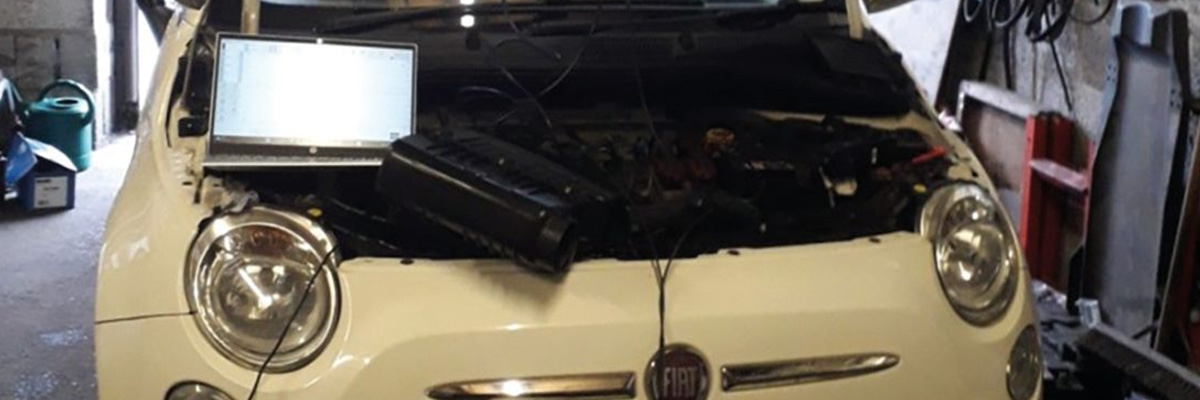
Known issues across all engines and years. From Dualogic quirks to TwinAir oil consumption — what to watch for and what it costs to fix.
Search Our Stock ❯At Fiat 500 Frenzy, we're Sheffield's only dealership dedicated exclusively to the Fiat 500. With over 60 years of combined motor trade experience, Tom and Shane have the expertise to guide you through every aspect of Fiat 500 ownership. Whether you're buying, selling, or just researching, we're here to help — no pressure, just honest advice from people who genuinely love these cars.
The Fiat 500 has cultivated a dedicated following since its 2007 rebirth, and it's largely because the design and driving experience are genuinely excellent. But like all cars, certain issues crop up more frequently than others depending on engine, gearbox, and maintenance history. What separates a future classic from a money pit is whether owners understand these quirks beforehand and keep up with maintenance. We've spent years examining hundreds of 500s, and here's what genuinely matters versus what's media hype.
Of the thousands of 500s on UK roads, the overwhelming majority of problems cluster around three areas: Dualogic gearbox reliability (on 1.2 cars), TwinAir oil consumption (0.9 turbo, 2010-19), and general rust in the rear arches and sills (anything over 7 years old). Virtually everything else — electrics, interior trim, suspension — is remarkably solid.
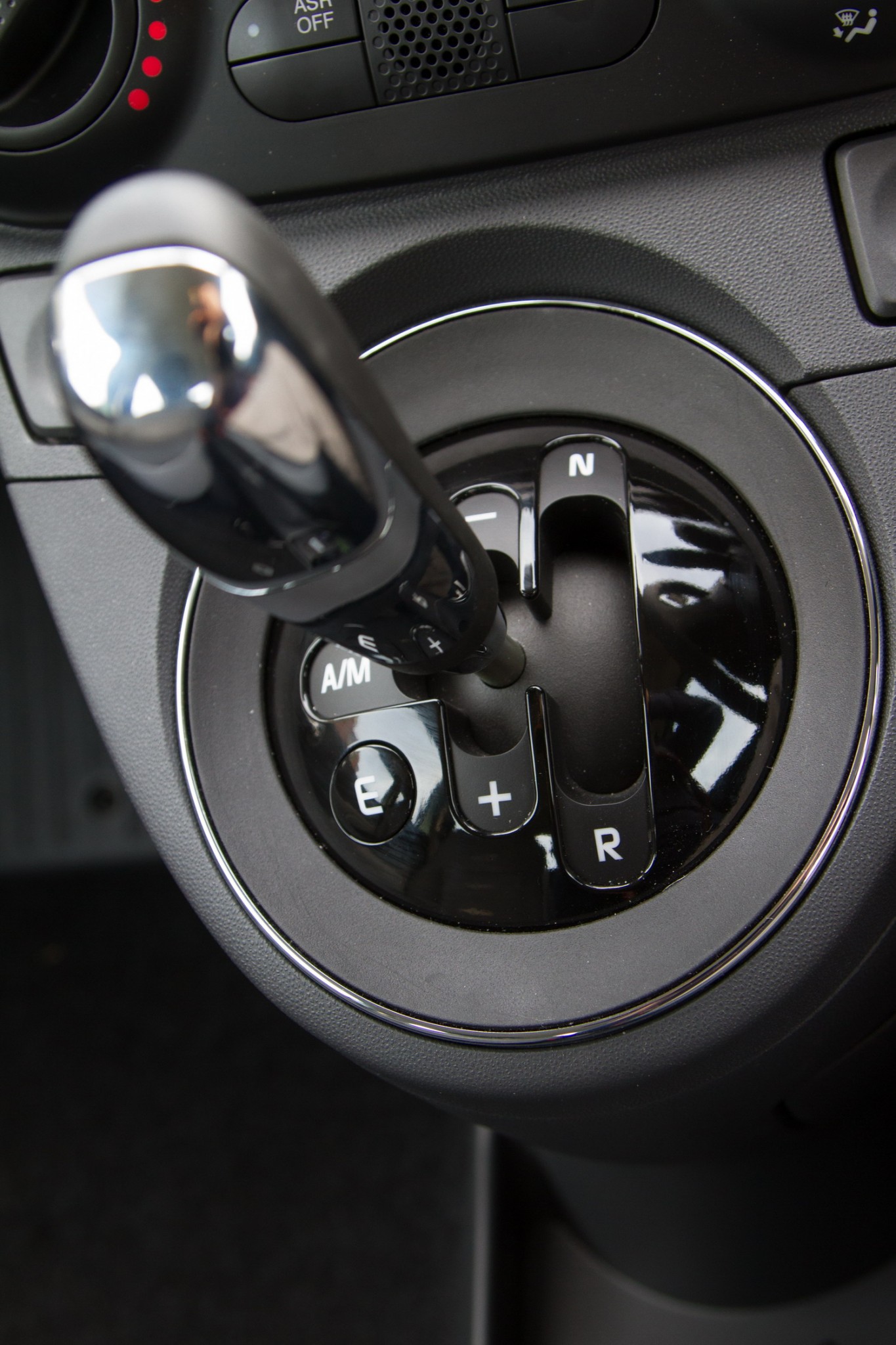
The Dualogic is an automated manual transmission (AMT), not a traditional automatic. A Magneti Marelli hydraulic actuator operates the clutch and manages gear changes on what is fundamentally a 5-speed manual gearbox. This architecture saves cost and weight compared to a torque-converter automatic, but it introduces a critical failure point: the actuator itself. When it fails, you lose the ability to select gears, and the car becomes immobilized.
Typical failure symptoms: Grinding or clunking when selecting gears, extended delays between selecting a gear and engagement, the transmission displaying 'N' (neutral) unexpectedly, or refusal to engage any gear. Most commonly, these emerge after 80,000 miles, though we've seen failures as early as 45,000 miles on neglected examples.
Diagnosis and repair: Delayed engagement, flashing neutral, leaks or warning messages need a Dualogic specialist. The manual gearbox lubricant and hydraulic actuation fluid are separate, and fluid work must use the exact specification and correct calibration procedure. Obtain an itemised diagnosis before assuming the actuator or complete gearbox needs replacement.
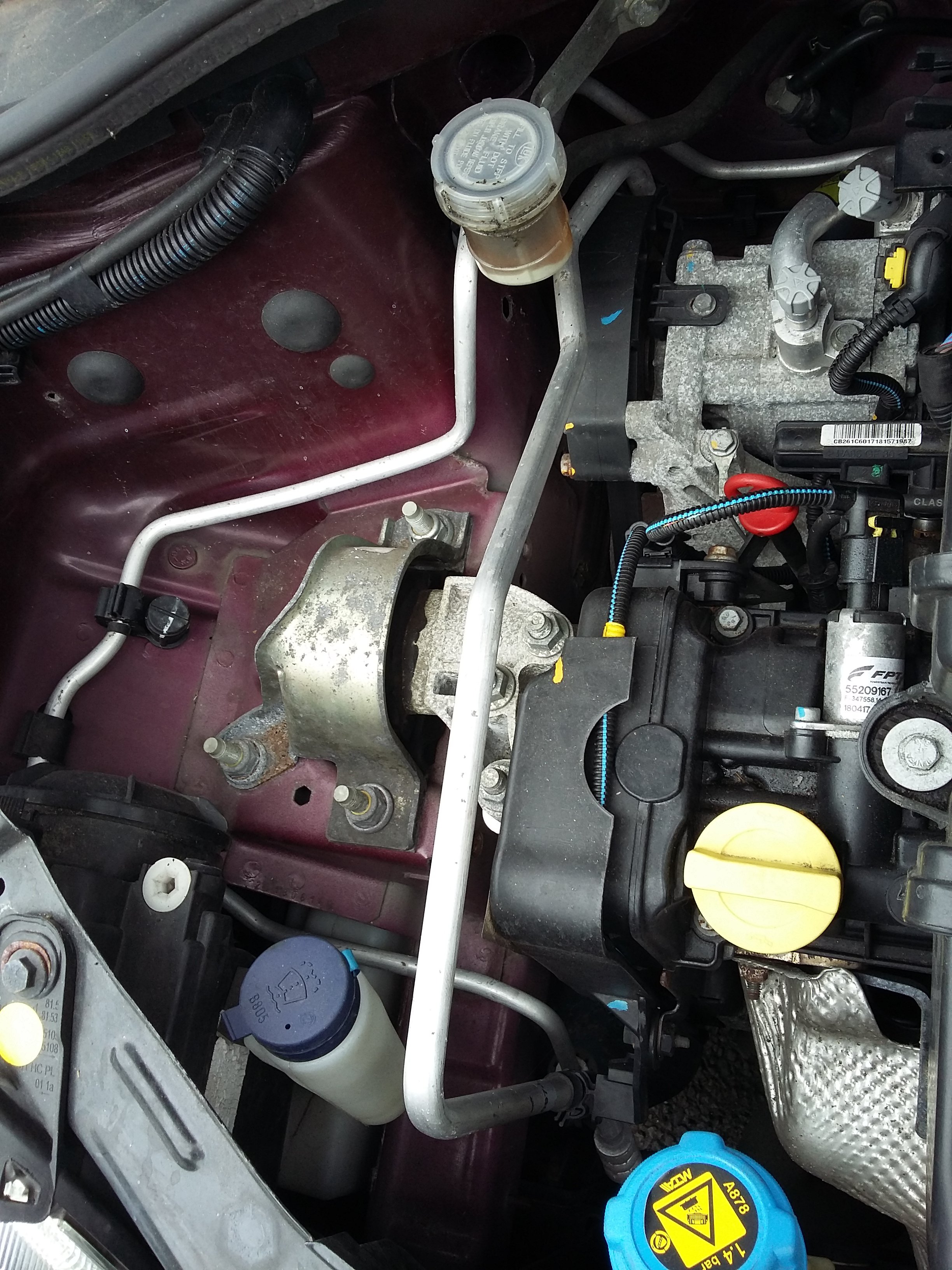
The 0.9 TwinAir's MultiAir system and turbocharger depend on the correct oil specification, level and service history. Oil use varies between cars; leaks, smoke or a rapid change in consumption should be diagnosed rather than dismissed as a universal design allowance.
What to watch for: Excessive white smoke at cold start, blue smoke under acceleration, or a check engine light for a lean mixture. These indicate either MultiAir unit failure (£600-900 to replace) or turbo wastegate rattle. Always check the dipstick on any TwinAir before purchase. If the oil level is dangerously low, budget for turbo work.
The 1.2 and 1.4 FIRE petrol engines use toothed timing belts; Fiat calls for replacement at least every five years, or every four years in demanding use. The 0.9 TwinAir and 1.3 MultiJet use timing chains. On chain-driven engines, persistent cold-start rattles or timing-related warning codes still need prompt specialist diagnosis.
What to check: For a 1.2 or 1.4, ask for a dated cambelt invoice. For a TwinAir or MultiJet, prioritise oil-service history and investigate abnormal timing noise. Costs depend on diagnosis and should be quoted for the exact engine.
The Fiat 500 uses thin European paint by design — it looks gorgeous when new but shows stone chips easily. More concerning is corrosion: rear wheel arches, front door sills, bonnet leading edges, and the bottoms of doors rust predictably on cars over 7 years old, especially if they've spent winters in the UK or been left in damp garages.
What to inspect: Get under a car you're considering with a torch. Look for bubbling or discolouration in the rear wheel arch area, check the underside of the sill panels, and run your hand under the door bottom edge. Surface rust can be treated (£300-500 per area), but structural rust requires welding (£800+). On any car over 10 years old, budget for at least some cosmetic rust treatment.
Sheffield's dedicated Fiat 500 specialists. 60+ years combined experience.
Browse Stock ❯