☰ Menu Fiat 500 Frenzy 🔍 Browse
HomeOwnership › Fiat 500 TwinAir Problems & Fixes
Fiat 500 Twinair Problems
Owner's Guide

Fiat 500 TwinAir Problems & Fixes

The complete guide to TwinAir engine issues. Oil consumption, timing chain, turbo faults — and how to avoid expensive repairs.

Search Our Stock ❯
Owner's Guide
Fiat 500 TwinAir Problems & Fixes
The complete guide to TwinAir engine issues. Oil consumption, timing chain, turbo faults — and how to avoid expensive repairs.

At Fiat 500 Frenzy, we're Sheffield's only dealership dedicated exclusively to the Fiat 500. With over 60 years of combined motor trade experience, Tom and Shane have the expertise to guide you through every aspect of Fiat 500 ownership. Whether you're buying, selling, or just researching, we're here to help — no pressure, just honest advice from people who genuinely love these cars.

Search Our Stock ❯
Deep Dive
What Makes TwinAir Different

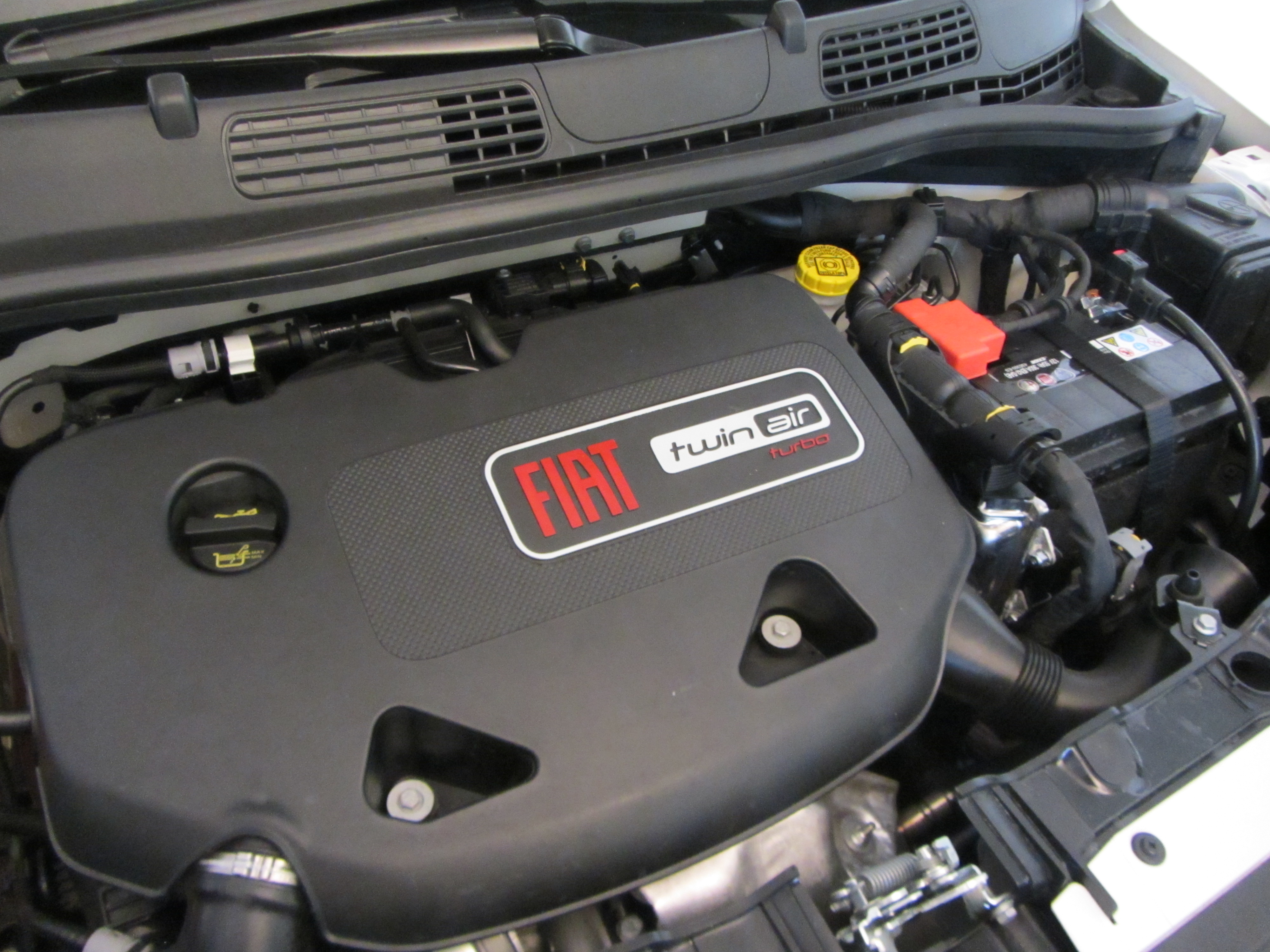
The Fiat 0.9 TwinAir is a marvel of engineering — 875cc, two cylinders, turbocharged, producing 85 or 105 bhp depending on tuning. It won awards for innovation. The MultiAir system uses hydraulic valve actuation (rather than mechanical cam followers) to enable variable valve timing and lift. This allows unprecedented efficiency and responsiveness from a microscopic displacement.

But this complexity introduces vulnerability. The MultiAir hydraulic system is sensitive to oil condition and level. The small-bore pistons and tight tolerances generate tremendous heat and pressure relative to piston travel. Fiat engineers knowingly accepted higher oil consumption as a trade-off for power density and efficiency. The specification states 1 litre per 2000-4000 miles is normal. This isn't a defect; it's by design.

The Core Problem: Oil Consumption Tolerance

Pre-owned TwinAir owners often discover oil consumption when buying, and it terrifies them. Panic leads to neglect — they don't add oil, assuming the car is broken. A TwinAir starved of oil experiences rapid piston ring wear, turbo bearing damage, and MultiAir unit failure. Within 500-1000 miles of low oil, serious damage occurs.

The solution: check the dipstick every 500 miles (yes, really) and top up as needed. Use the correct spec oil (usually 5W-30 synthetic). The cost of topping up is minimal — a quart of quality synthetic oil costs £5-8 and takes 2 minutes. The cost of not topping up is a £2000 turbo replacement or engine rebuild.

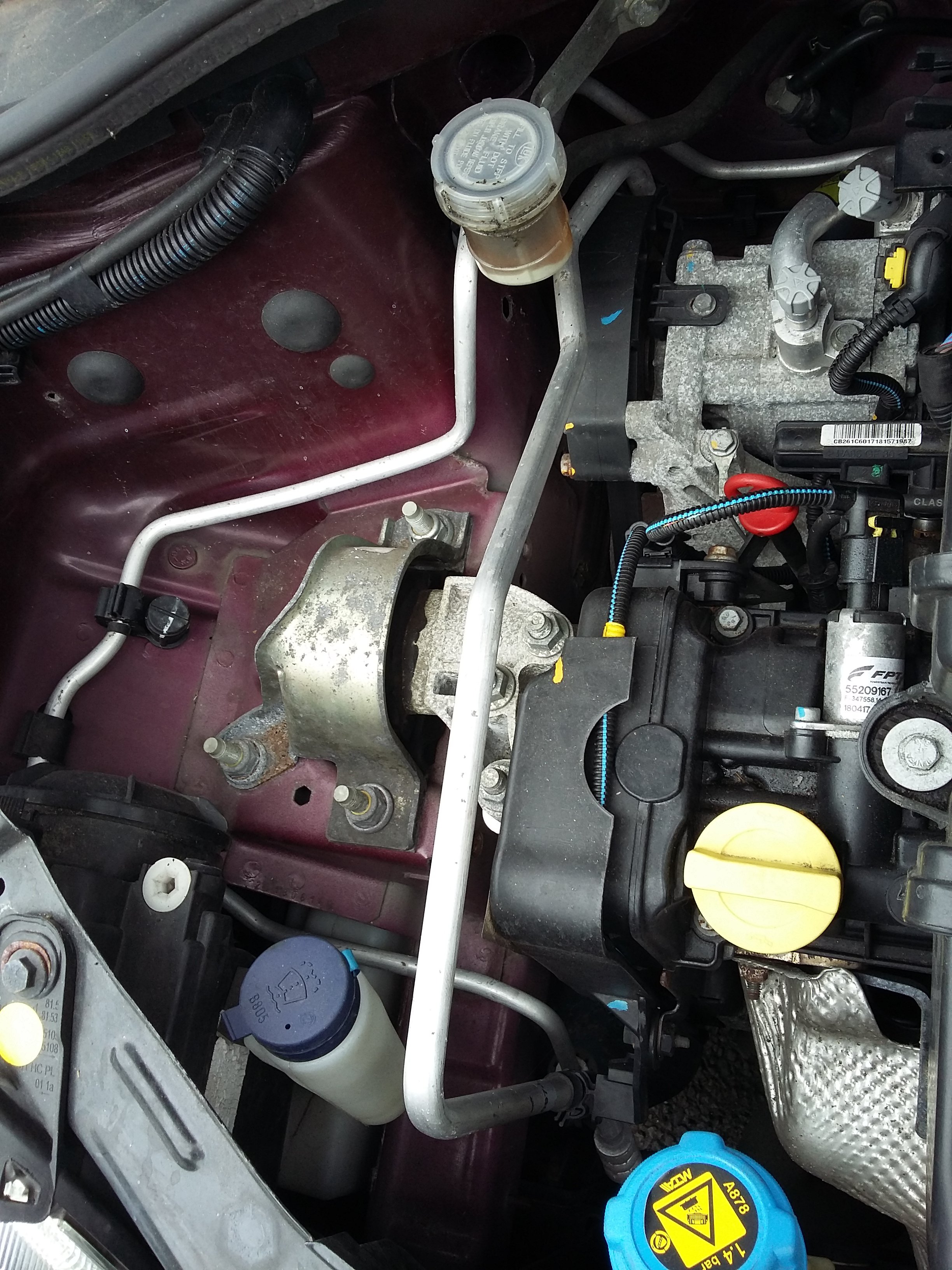
Fiat 500 Twinair Oil Dipstick Check
Checking TwinAir oil level regularly is the single most important maintenance task. Low oil leads to catastrophic failure.
Common Failures Explained
Prevention is Everything

MultiAir Unit Failure (£600-900 repair)

The MultiAir hydraulic unit controls valve lift and timing electronically. It's fed pressurised oil directly from the engine. If oil level drops or quality degrades, the hydraulic solenoid misfires, and the unit loses pressure control. Symptoms: rough idle, hesitation on acceleration, illuminated check engine light (code P0011 or P0014). Replacement requires specialist knowledge and costs £600-900 including labour.

Prevention: Don't neglect oil top-ups. Use synthetic only (mineral oil breaks down in the extreme temperatures). Change the filter every 6000 miles to maintain oil quality. This is non-negotiable on a TwinAir.

Turbo Wastegate Rattle (£400-700 repair)

The turbo's wastegate (variable boost pressure relief) can stick if oil deposits accumulate in the actuator. A stuck wastegate produces a metallic rattle under acceleration, especially on cold mornings. The turbo boosts excessively, triggering a check engine light. If ignored, boost rises dangerously, potentially damaging the engine.

Fix: Replace or rebuild the wastegate actuator (£400-700). Prevention: Regular oil changes (every 6000 miles on TwinAir), use quality synthetic oil, and avoid prolonged idling which allows deposits to form.

Timing Belt (Not Chain!) — Change Every 60,000 Miles or 5 Years

Unlike the 1.2 (which has a timing chain), the TwinAir uses a belt. Belts wear and can snap, leaving you stranded or causing catastrophic internal damage if the snapped belt allows pistons to contact open valves. Cost of new belt and tensioner: £400-600. Cost of timing belt failure with internal damage: £2000+.

Before buying a used TwinAir, confirm timing belt service history. If it hasn't been done since 2010-2015, budget for immediate replacement. After 60,000 miles or 5 years, replacement is mandatory regardless of apparent condition.

FAQs
TwinAir Questions
Is 1 litre per 2000 miles actually normal?
Yes, according to Fiat's official specification. The tight tolerances, MultiAir hydraulic system, and high compression generate this consumption by design. What's not normal is ignoring it. Owners who top up oil regularly report stable consumption — owners who don't monitor it experience catastrophic failure.
What's the difference between normal and excessive oil consumption?
Normal: 1 litre per 2000-4000 miles, stable. Excessive: rapid increase (1 litre per 1000 miles or worse), blue smoke at start or under acceleration, or oil level dropping visibly between services. Excessive indicates piston ring wear, valve guide wear, or turbo bearing damage — all requiring engine work.
What oil should I use in a TwinAir?
Synthetic 5W-30 or 5W-40 (check your handbook). Use only quality oil — Mobil 1, Shell Helix Ultra, Castrol Edge, or equivalent. Mineral oil breaks down in the extreme temperatures and isn't designed for MultiAir systems. Never use cheaper alternatives; the £30 saved per service pales against a £2000 engine repair.
How often should I check the dipstick?
Every 500 miles minimum, especially on older or higher-mileage examples. This seems obsessive, but it's genuinely necessary. A TwinAir can burn significant oil between scheduled services, and catching it early (before levels drop dangerously) prevents damage. Top up whenever the level approaches the minimum mark.
Should I avoid TwinAir cars altogether?
Not if you buy one with documented service history. A TwinAir with full records showing consistent oil changes, filter replacements every 6000 miles, and timing belt renewal is absolutely reliable and genuinely fun to drive. Avoid TwinAirs with patchy history, missing records, or evidence of oil starvation (blue smoke, rough idle, check engine lights).
What does a timing belt service cost on TwinAir?
Replacement with new tensioner, pulleys, and water pump: £400-600 at a specialist, £600-800 at Fiat dealers. This is not optional at 60,000 miles or 5 years. Request proof of this service before buying any TwinAir over 60k miles or 5 years old. Neglecting this is expensive negligence.
Can TwinAir pass MOT with a check engine light?
No — any active fault code will cause a fail. Common TwinAir codes include P0011/P0014 (MultiAir), P0299 (underboost), and P0340 (camshaft sensor). Have any fault codes read and resolved before MOT. This usually means a specialist diagnostic (£100-150) and component replacement (£200-600).
Related Guides
Further Reading

Let Us Help

Sheffield's dedicated Fiat 500 specialists. 60+ years combined experience.

Browse Stock ❯
📞Call Us 📍Find Us ✉️Message Us
Fiat 500 Frenzy — Sheffield's dedicated Fiat 500 specialist
Run by Tom Butcher & Shane Green · 60+ years combined experience · Nationwide delivery
© 2026 Fiat 500 Frenzy · All cars subject to prior sale · Finance subject to status