 🔍 Browse
🔍 Browse
🔍 Browse
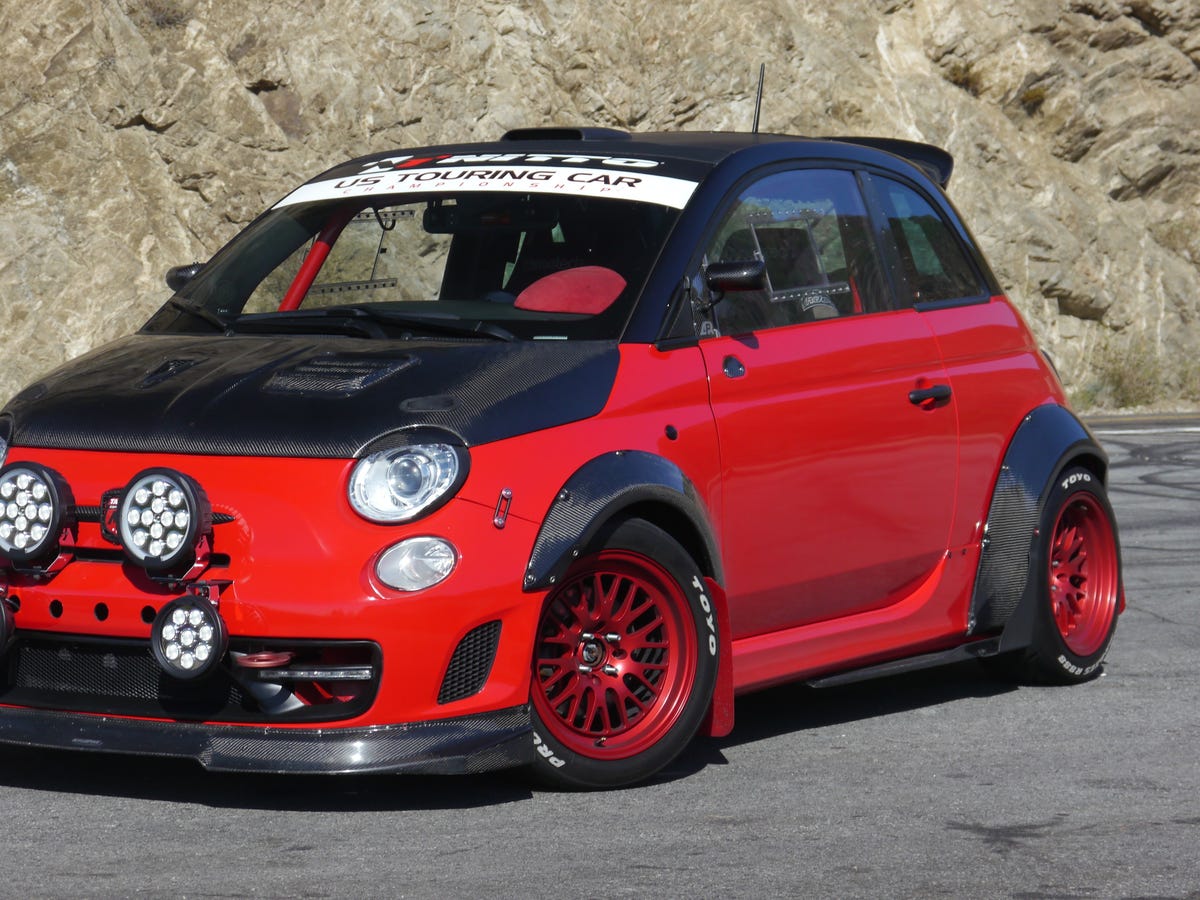
How a motorcycle racer from Vienna built Italy's most famous tuning house — and why the scorpion badge still means something seventy years on.
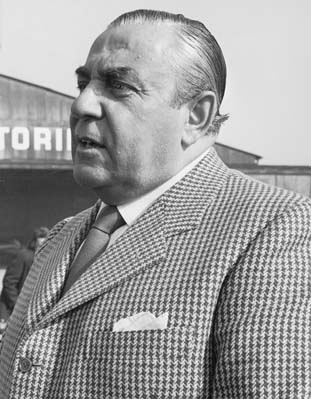
Carlo Abarth was born Karl Alberto Abarth in Vienna in 1908. His passion for speed began on two wheels — he was a successful motorcycle racer throughout the 1920s, winning multiple European sidecar championships before a serious crash in 1939 forced him off bikes for good. But the accident only redirected his obsession with performance, it didn't diminish it.
After the Second World War, Abarth moved to Italy and became involved with Cisitalia, a small racing car manufacturer in Turin. When Cisitalia collapsed financially in 1949, Abarth saw his opportunity. He acquired the remnants of the company — tooling, parts, and crucially the workforce — and on 31 March 1949, founded Abarth & C. in a modest workshop on Corso Marche in Turin.
The name came from his family, but the logo came from the stars. Abarth chose the scorpion as his emblem because it was his astrological sign (Scorpio). The red and yellow shield with the stylised scorpion would go on to become one of the most recognised performance badges in motoring history — right up there with Porsche's crest and Ferrari's prancing horse.
Abarth's genius was understanding that most car owners couldn't afford a purpose-built race car, but they desperately wanted their everyday cars to go faster. His first products weren't complete cars — they were performance exhaust systems for Fiats. These bolt-on exhausts unlocked measurable power gains at a fraction of the cost of a new engine, and they sold in enormous numbers throughout the 1950s.
The business model was elegant: take a mass-produced Fiat, strip it down, re-engineer the engine, suspension and exhaust, and create something that could compete with cars costing three or four times the price. The Fiat 600 became his first great canvas. The Abarth 750 and 850 derivatives turned a humble city car into a genuine competition machine, capable of embarrassing much larger and more expensive machinery on circuits across Europe.
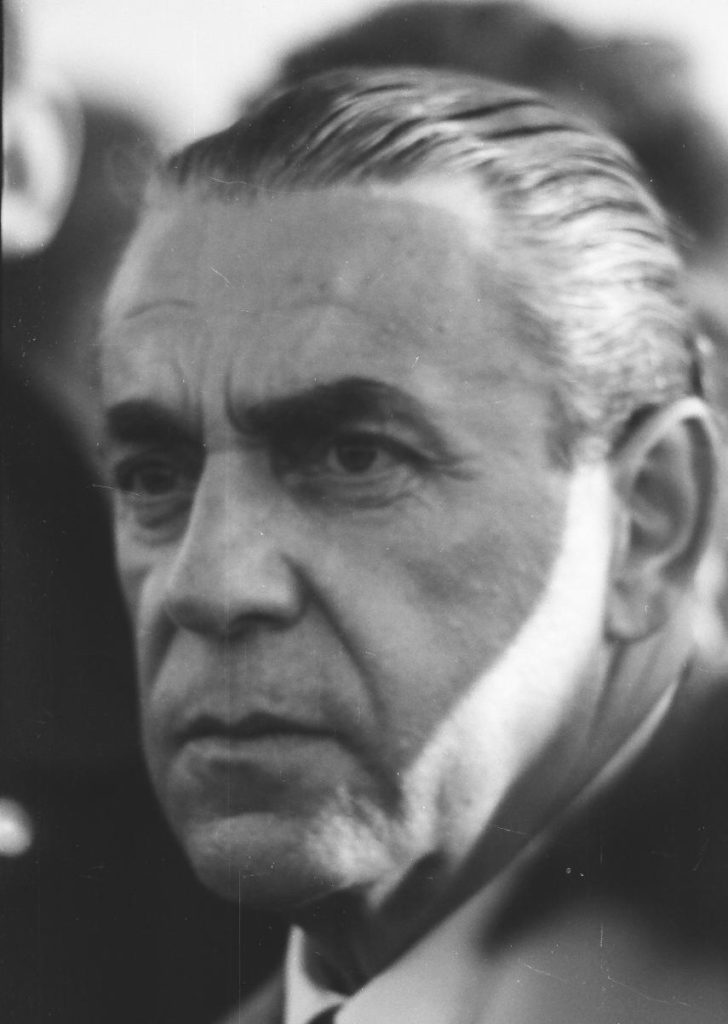
But it was record-breaking that truly built the Abarth legend. Carlo had an obsession with speed records — not just outright top speed, but every conceivable class record defined by engine capacity. Between the 1950s and 1970s, Abarth cars set over 7,500 international speed records. Many of these were achieved at the Monza circuit near Milan, where tiny Abarth-tuned Fiats would circulate for hours at improbable speeds, smashing records in their displacement class.
The company's motto said it all: "piccola ma cattiva" — small but wicked. Abarth proved again and again that you didn't need a big engine to go fast. You needed clever engineering, obsessive attention to detail, and an unwillingness to accept that something was "fast enough."
The relationship between Abarth and Fiat was symbiotic from the very start. Fiat provided the base cars — affordable, mass-produced, mechanically simple. Abarth provided the magic — transforming these humble machines into competition-winning performance cars that brought glory to both brands.
In 1971, Fiat formally acquired Abarth & C. Carlo remained as a consultant, but the brand was now part of the Fiat empire. Some purists mourned the loss of independence, but the acquisition actually secured Abarth's future. Under Fiat's ownership, the Abarth name was applied to performance variants of Fiat road cars, keeping the scorpion badge visible on streets and showroom floors even as the motorsport programme evolved.
Carlo Abarth died in 1979 in his native Vienna, aged 70. He left behind a legacy of over 10,000 race victories, thousands of speed records, and a brand that had become synonymous with the idea that small cars could be genuinely exciting.
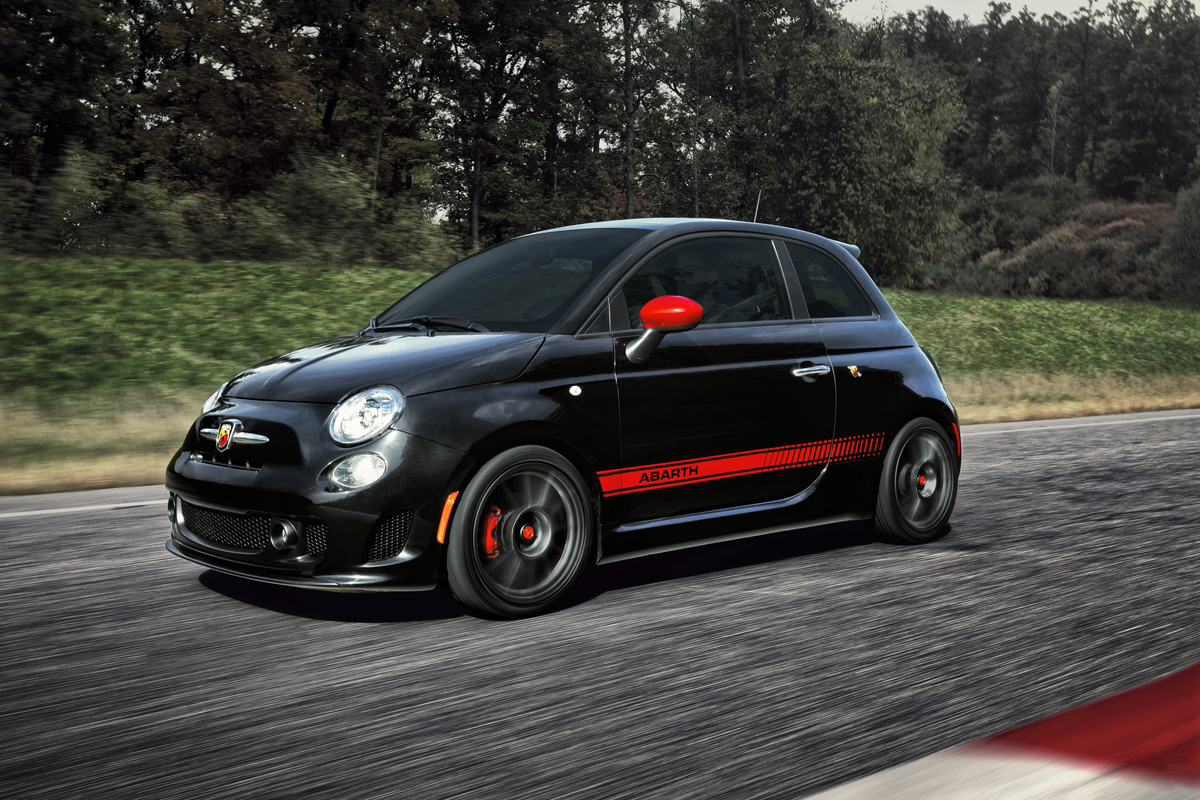
After years of dormancy — Fiat used the Abarth name sporadically on things like the Punto and Stilo — the brand was relaunched as a standalone marque in 2007. The timing was perfect. Fiat had just revealed the retro-styled new 500, and it was crying out for a hot version.
The Abarth 500 arrived in 2008 with a 1.4-litre T-Jet turbocharged engine producing 135 bhp. That might not sound like much on paper, but in a car weighing barely over a tonne, it translated to genuinely exciting performance. The 0-62 mph time of 7.9 seconds told only half the story — the real magic was in how it felt. The raspy exhaust note, the eager turbo response, the go-kart handling through corners. It was a car that made every journey entertaining.
Fiat quickly expanded the range. The Abarth 595 name was revived (a nod to the classic Abarth 595 from the 1960s) and applied to more powerful versions of the car. The range eventually spanned several variants:
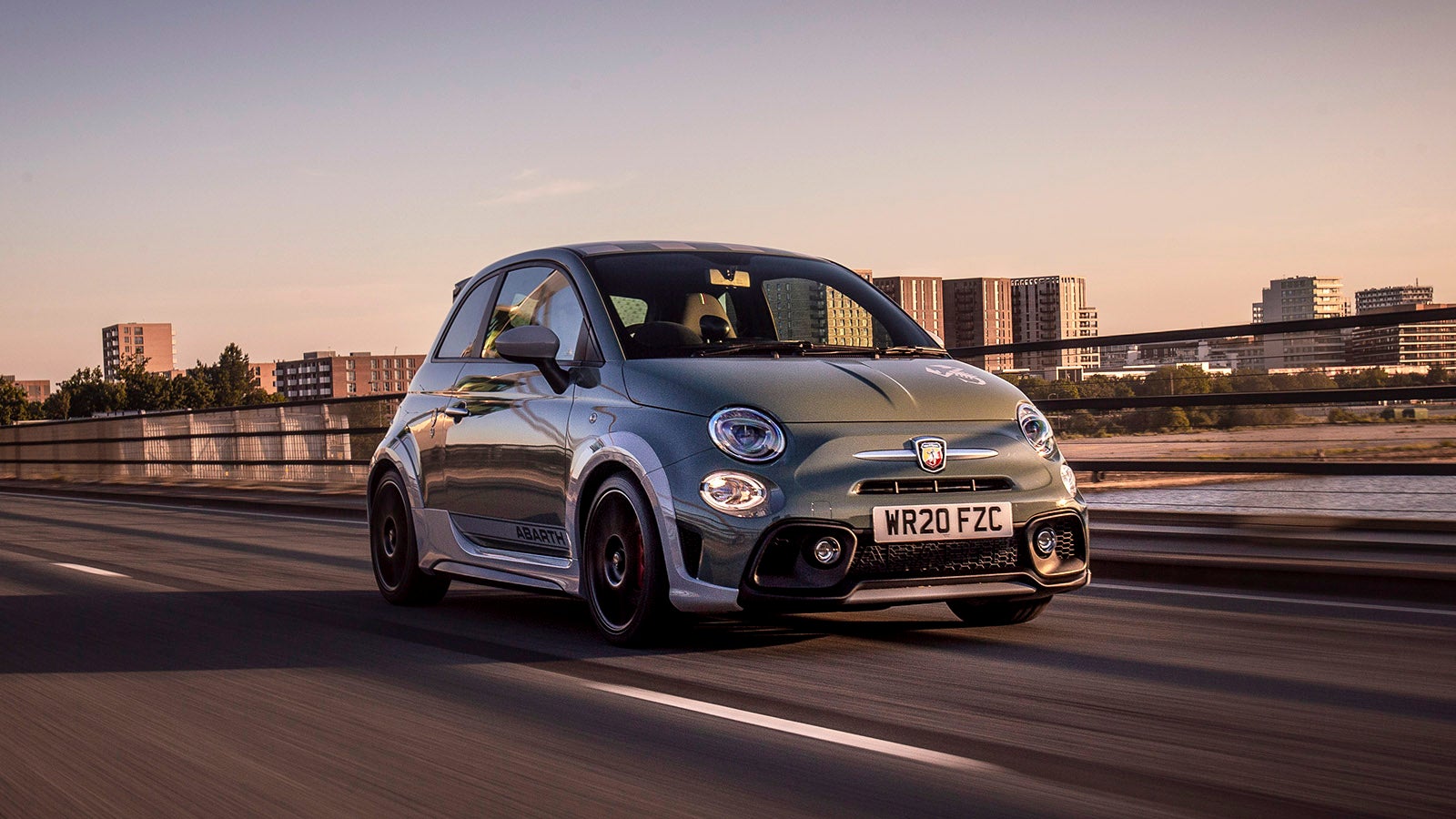
At the very top of the range sat the Abarth 695 — a series of ultra-limited special editions that pushed the formula as far as it could go. The 695 Tributo Ferrari, produced in collaboration with Ferrari, featured a 180 bhp engine, Ferrari-sourced components, and a price tag that reflected its exclusivity. Other 695 variants included the Biposto (a two-seat, stripped-out track weapon) and the 70th Anniversario.
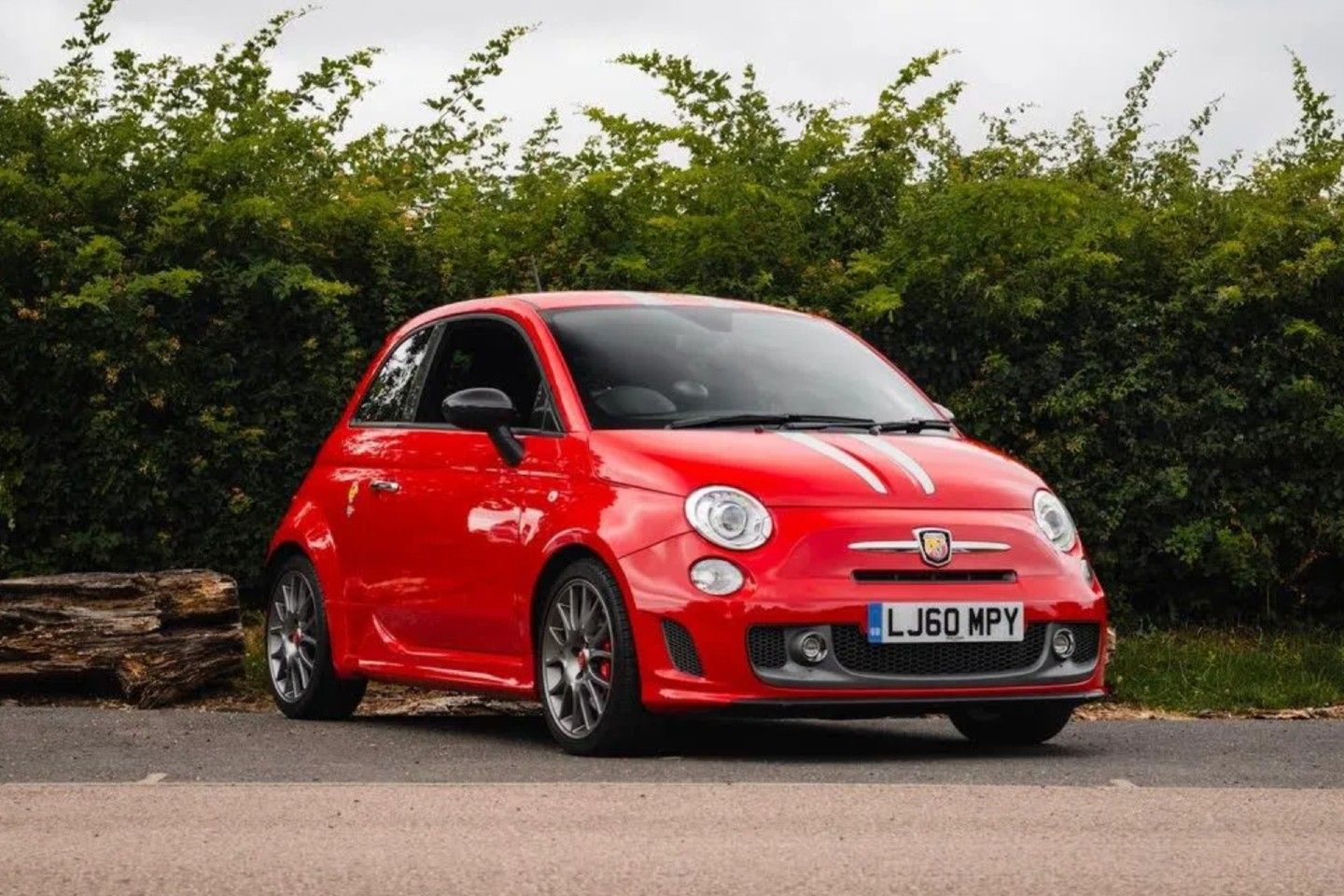
There are faster hot hatches. There are more powerful cars for the money. But the Abarth 500 has something that most of its competitors lack — genuine character. Everything about it traces back to Carlo Abarth's original philosophy: take something small and humble, and make it punch above its weight.
The exhaust note is deliberately theatrical. The turbo whistle is audible in the cabin. The steering is direct and honest. The ride is firm but never harsh. And the size — barely 3.5 metres long — means it feels more agile in traffic and on B-roads than anything else in its class. You sit low, the wheel is close, and every input gets an immediate response.
For Fiat 500 buyers considering the step up to an Abarth, it's worth understanding what you're getting. This isn't just a Fiat 500 with a body kit. The engine is different (1.4 T-Jet turbo vs the standard 1.2 or TwinAir), the suspension is completely revised, the brakes are upgraded, the exhaust is bespoke, and the ECU mapping is entirely separate. It's a proper re-engineering job — exactly as Carlo would have done it.
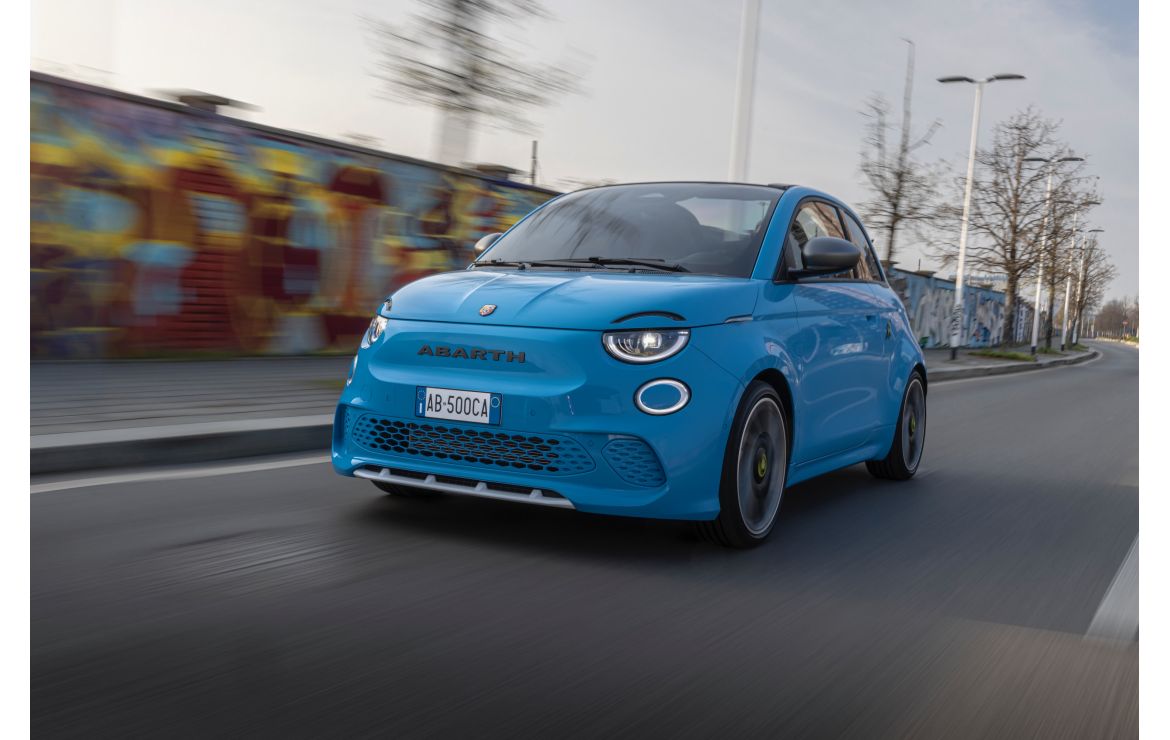
With the shift to the new electric Fiat 500, Abarth has followed suit. The Abarth 500e takes the electric 500's platform and adds the brand's signature aggression — a more powerful motor producing 155 bhp, sport-tuned suspension, larger wheels, and crucially, a synthesised sound system that pipes an Abarth-style exhaust note through external speakers. It's a controversial choice, but it shows that Abarth is determined to preserve the brand's character even as the powertrain changes fundamentally.
The electric Abarth reaches 62 mph in 7.0 seconds and has an official range of up to 164 miles WLTP. Actual range varies with speed, temperature, tyres, load and driving style.
If the Abarth story has you interested in owning one, here's what you need to know about the used market. The Abarth 500 and 595 hold their value well — better than the standard Fiat 500, in fact — because they've developed a loyal following and the supply of good examples is finite.
Prices for early 135 bhp Abarth 500s start from around £6,000 to £8,000 for higher-mileage examples. A tidy 595 with the 145 bhp engine typically sits in the £9,000 to £13,000 range. The 595 Competizione commands a premium, particularly with low miles and a documented service history — expect £12,000 to £18,000 depending on age and specification. The 695 special editions are true collector's pieces, with the Tributo Ferrari models now fetching £20,000 and upwards.
The key things to check on any used Abarth: service history (the turbo engine needs regular oil changes), clutch wear (enthusiastic driving takes its toll), rust on the wheelarches and door bottoms (an Italian car trait that Fiat never fully solved), and the condition of the exhaust system (the Monza and Record Monza exhausts are expensive to replace).
At Fiat 500 Frenzy, Tom and Shane have handled hundreds of Abarths over the years. They know exactly what to look for and can help you find the right one — whether you want a daily driver with a bit of bite or a weekend toy to enjoy on the back roads around Sheffield.
Sheffield's dedicated Fiat 500 specialists. Tom and Shane know Abarths inside and out.
Browse Our Abarth Stock ❯