 🔍 Browse
🔍 Browse
🔍 Browse
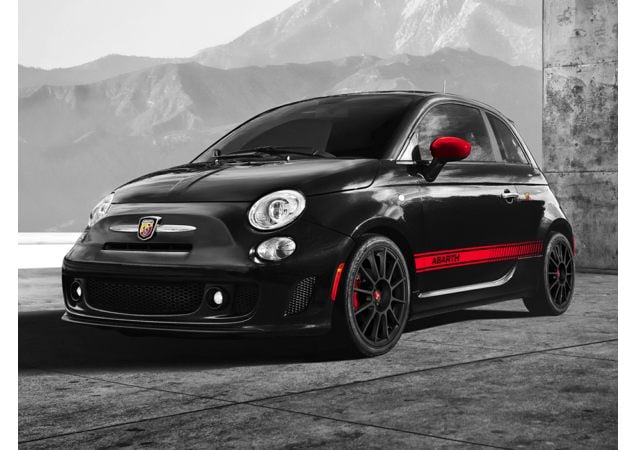
Sport body kit, lowered suspension, TFT instruments, and sport seats. The visual aggression of an Abarth without the turbo engine or insurance premium.
Source This Edition ❯The Fiat 500 S (Sport) special edition ran from 2013 to 2019, representing Fiat's most aggressive styling direction for the second-generation 500. It blends the visual aggression of an Abarth with the mechanical simplicity and affordability of a standard 500, creating a compelling proposition for buyers who wanted attitude without the turbo complexity, Abarth badge, or insurance penalty. Today, it's a moderately rare find on the used market—not collectable like limited editions, but distinctive enough to retain appeal.
The 500 S is visually impossible to miss. Fiat adopted a "darkened" aesthetic across the range during this era, and the S pushed this furthest. The front bumper is redesigned with larger air intakes and integrated LED daytime running lights (on later models). The grille frame is painted black rather than chrome, giving a more intentional, modern look. The hood edges are darkened with black trim, and fog lights are integrated into the bumper.
The rear follows suit—black rear bumper diffuser, black trim on the tailgate, and a roof-mounted rear spoiler in gloss black (functional appearance, negligible actual performance). The side profile is aggressive: 16-inch alloy wheels (various designs over the production run, all with black accents), lowered suspension by 8mm, and body-side cladding that's darker than the body colour, creating a visual crease effect.
Inside and out, the S adopts a "chrome delete" aesthetic where possible. Door handles, trim, and badging shift away from shiny surfaces. The overall effect is a car that looks significantly more modern and purposeful than a standard 500—it feels like a concept car's road-going cousin compared to the whimsical design of the base 500.
The 500 S interior reflects 2013-2019 Fiat design philosophy. Sport seats with increased side bolstering and red accent stitching are standard. The centre console and dashboard trim shift to darker colours—grey and black rather than beige—creating a sportier ambience. TFT instrument clusters (a 2015+ feature) display boost pressure, oil temperature, and other performance metrics, adding an Abarth-like feel without actual performance upgrades. The steering wheel is flat-bottom, wrapped in Alcantara or leather with red accent stitching.
Equipment levels vary by year and market. Early 2013 models had basic touchscreens; by 2017+, the 7-inch or 8.8-inch touchscreen with Bluetooth, reverse camera, and smartphone integration was standard. Climate control, cruise control, and parking sensors became standard later in the production run. Compared to contemporary standard 500s, the S feels modern and thoughtfully equipped.
Practicality is honest—the 185-litre boot remains tight, and rear legroom is limited. But for a city car, it's adequate. The split-folding rear seats expand boot space to around 600 litres when needed.
The 500 S was available with three engines, all borrowed from the standard 500 range:
1.2 FIRE 69 hp: A naturally aspirated petrol engine producing 102 Nm. Fiat quotes 0–62 mph in 12.9 seconds and a 99 mph maximum speed. Economy and insurance depend on the exact registration, condition and driver.
0.9 TwinAir 85 bhp (1.4 MultiAir equivalent): A turbocharged two-cylinder engine available from 2013. It produces 145 Nm of turbo torque and reaches 62 mph in 9.5-10 seconds. The TwinAir gives a characterful driving experience—higher revving, more responsive to throttle inputs, and a distinctive three-cylinder burble on overrun. Fuel economy is similar (45-50 mpg combined). Insurance group 8. This is the preferred choice for drivers wanting engagement without Abarth complexity.
0.9 TwinAir 105 bhp (later variant, 2014+): A higher-output version of the turbocharged two-cylinder, producing 152 Nm and reaching 62 mph in approximately 8.7 seconds. This is noticeably quicker—the performance jump from 85 to 105 bhp feels more than just 20 extra horses. Fuel economy drops slightly (44-48 mpg combined). Insurance group 10. This became the default TwinAir variant from 2015 onwards, making it the most common S specification.
Condition depends on the exact engine and history. TwinAir needs the correct oil specification and regular level checks; some specialists recommend shorter oil intervals for used cars, but 6,000 miles is not a universal Fiat requirement. Compare invoices with the model-year schedule.
Fiat offered a regular "Sport" trim alongside the special edition S. The distinction is subtle but relevant: the S (special edition) features the TFT instruments and slightly different trim details (interior styling, specific wheel designs, exclusive colour combinations). The regular Sport trim is less common and less distinctively styled. On the used market, the S typically commands a modest premium (£200-500) over a contemporary Sport trim due to the TFT cockpit and visual distinctiveness.
The Fiat 500 S adopts a "darkened" aesthetic with black trim, lowered suspension, and aggressive bumpers—styling borrowed from Abarth, engines from the standard 500.
The 500 S (Sport) special edition was produced for 6 years, with sales varying by market. In UK markets, it's moderately rare—not uncommon, but distinctive. In European markets (particularly Germany, Italy, France), it was more widely available. Production estimates suggest roughly 100,000-150,000 units globally over the 2013-2019 run, making it far more common than limited editions (Gucci, Riva) but less common than standard Sport trims.
Collectibility is moderate. The S is unlikely to appreciate significantly as a classic—it's not rare enough to be valuable, and its non-Abarth status means performance enthusiasts prefer 595s or 695s. However, the aggressive styling and modern features (TFT instruments, touchscreen, LED lights) ensure it remains appealing to buyers seeking a stylish, affordable used city car. As a daily driver and weekend car, the S is genuinely compelling: it looks like a hot hatch, costs far less than one to buy and insure, and drives with acceptable character.
The 500 S shares mechanical components with the standard 500, so reliability is on par. Common issues include:
Servicing costs are modest. A full service with fluids and filters runs £120-180 at independent specialists, £200-280 at Fiat dealers. Parts (air filters, spark plugs, brake pads) are inexpensive. For TwinAir owners, more frequent servicing (every 6 months rather than 12 months) raises annual costs slightly but is essential for longevity.
Honest assessment: the 500 S looks like a hot hatch but drives like an affordable city car. The lowered suspension (8mm) improves handling slightly, but body control through corners remains soft compared to an Abarth 595. The steering is light and responsive, suitable for urban maneuvering. Brake pedal feel is direct and confident.
With the 1.2 engine, driving is relaxed—adequate performance for city driving, motorway cruising is possible but unhurried. With the 85 bhp TwinAir, there's genuine engagement—turbo lag means a brief pause before acceleration kicks in, but the motor responds enthusiastically to throttle inputs. The 105 bhp variant is noticeably more urgent and satisfying on B-roads.
What the S doesn't offer: raw performance (no turbocharger in base forms), sharp handling (suspension tuning is modest), or a distinctive exhaust note (no sport exhaust fitted). What it does offer: a modern, aggressive appearance; a welcoming driving position; practical city car dimensions; and the satisfaction of standing out visually without Abarth insurance premiums or complexity.
Used 500 S (Sport) examples are typically available at £3,500-6,500 depending on year, mileage, and condition. Target examples with:
The Fiat 500 S represents an interesting middle ground in the used 500 market. It's not as raw and thrilling as an Abarth, nor as understated as a standard Lounge. It appeals to buyers who want styling impact without the commitment of Abarth ownership—cheaper insurance, simpler mechanics, more affordable servicing. In 2024, that remains a compelling proposition. The S hasn't become collectable, but it's a genuinely smart used car choice for city drivers who appreciate character and modern features.
We actively source rare editions. Tell us what you want and we'll hunt it down.
Start Sourcing Request ❯