 🔍 Browse
🔍 Browse
🔍 Browse
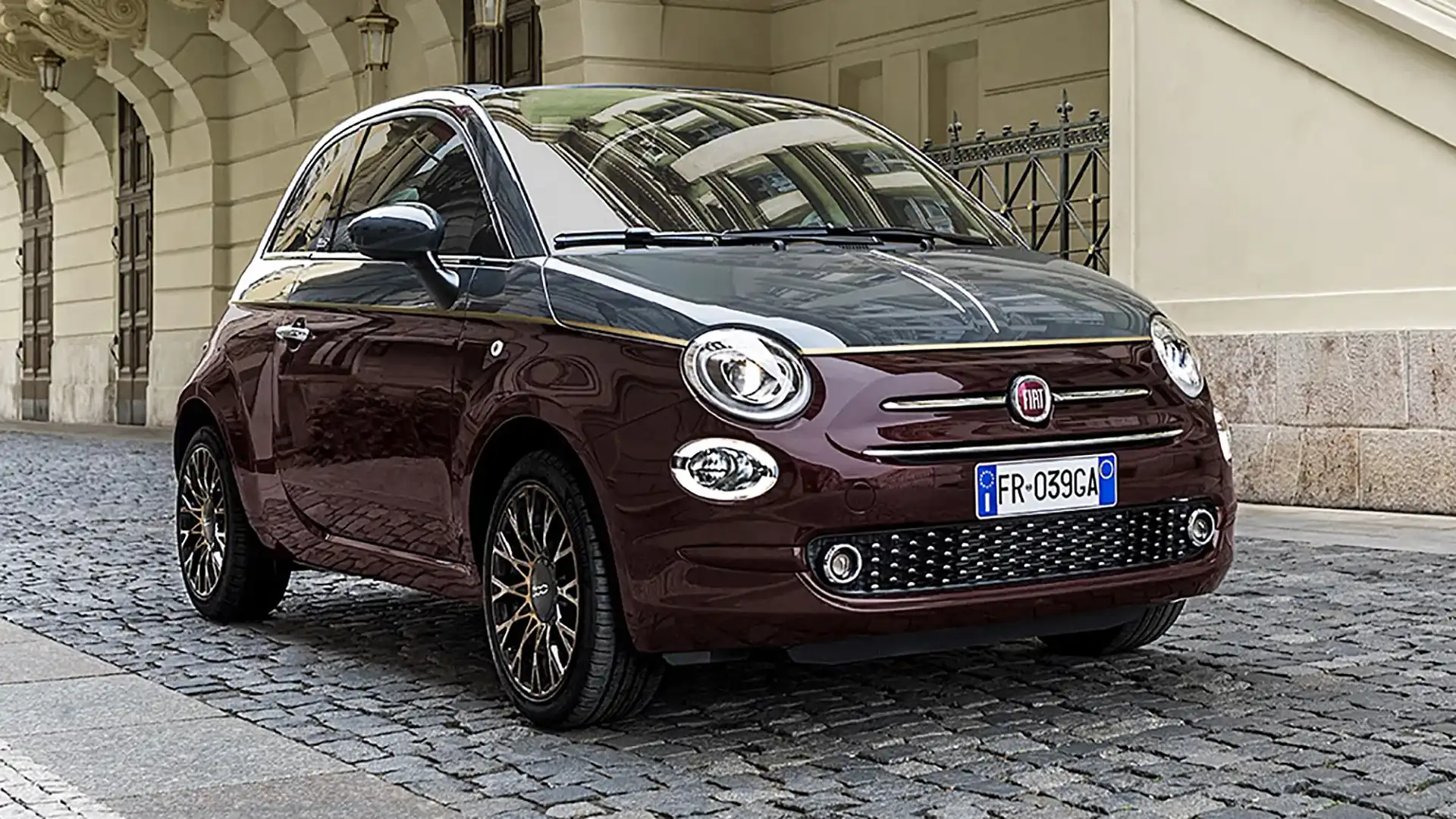
Autumn/winter fashion collection theme. Unique champagne gold paint, two-tone roof, and ivory leather interior. Produced in limited numbers.
Source This Edition ❯In 2018, at the height of the fashion-forward 500 special edition era, Fiat introduced the Collezione—a limited-production model that drew inspiration directly from seasonal fashion collections. Rather than commissioning a single designer house like Gucci or Armani, the Collezione concept was distinctive: it embodied the essence of a complete fashion season, translating the aesthetic philosophy of autumn and winter fashion design into automotive form.
The Collezione represented a fascinating design moment. By 2018, Fiat had established that the 500 could serve as a legitimate canvas for high-fashion sensibilities. The Collezione took this further, creating a vehicle that felt like a wearable fashion statement—a car that functioned as a four-wheeled manifestation of seasonal design trends. The champagne gold paint, two-tone roof with contrasting dark top, and ivory leather interior created a cohesive aesthetic that belonged in fashion magazines as much as automotive publications.
Production numbers were strictly limited. The Collezione was never intended as a mass-market special edition; instead, it was positioned as a collector's piece for design enthusiasts who understood how automotive design intersects with fashion trends. UK examples are particularly scarce, with fewer than 400 examples produced domestically. This rarity, combined with the Collezione's distinctive design approach, has made it increasingly sought after by 500 specialists and contemporary design collectors.
The 2018 production year positioned the Collezione perfectly within the classic 500's lifecycle. By 2018, the original 2007 500 design had matured elegantly, and special edition executions like the Collezione demonstrated how thoughtful design could continually refresh the basic platform. For collectors evaluating 500 special editions, the Collezione represents the apex of fashion-influenced design before the transition to electrification.
The Collezione's exterior design was bold yet refined, capturing the essence of luxury fashion's autumn and winter palettes. The champagne gold paint finish—technically a warm metallic beige-gold that shifts subtly in different lighting—was exclusive to the Collezione. This colour choice departed from the dramatic blacks and reds of earlier special editions, instead embracing the sophisticated neutral tones that dominated high fashion in 2018.
What elevated the Collezione's exterior from striking to truly distinctive was the two-tone roof treatment. Whilst the body was painted in champagne gold, the roof was finished in contrasting dark charcoal or black. This deliberate colour contrast created visual interest without visual chaos, drawing the eye upward and emphasising the 500's compact proportions. The two-tone effect was reminiscent of coachbuilt classics and fashion colour-blocking, translating runway techniques into automotive design.
Chrome detailing was restrained but expertly applied. The window surrounds, door handles, and mirror caps featured polished finishes that complemented rather than competed with the champagne gold. Against the warm metallic body, the chrome caught light beautifully, creating subtle jewel-like highlights. The overall effect was sophisticated luxury rather than performance aggression.
The Collezione was available in both hatchback and cabriolet configurations, with the two-tone roof effect creating particularly striking proportions on open-top examples. The cabriolet's fabric roof could be specified in matching dark colour, maintaining the design cohesion when the roof was lowered. Alloy wheels were Collezione-specific, featuring a contemporary geometric design that balanced the warm body colour without overwhelming the proportions.
Badging was minimal and refined. Rather than shouting 'Collezione' from every panel, Fiat applied subtle badging to the front wings and rear, preferring to let the distinctive champagne gold and two-tone roof treatment communicate the edition's special status. This restraint elevated the perceived quality—genuine luxury doesn't require constant reinforcement.
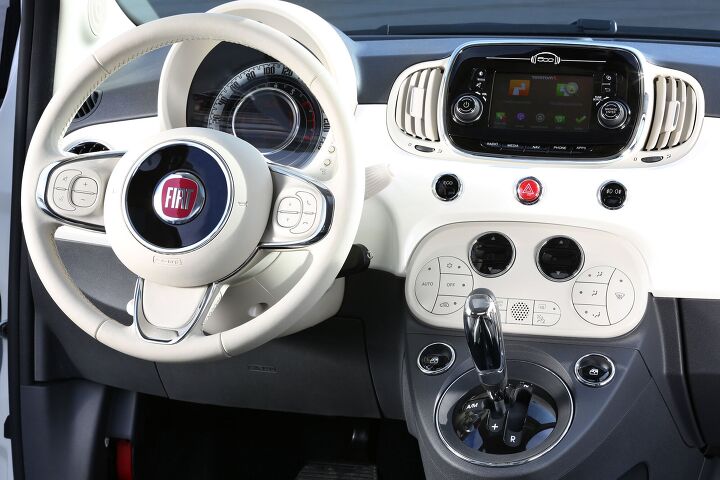
The Collezione's interior was a masterclass in luxury simplicity. Rather than embellishment-heavy design, Fiat and the design collaborators opted for material excellence and colour cohesion. The ivory leather that upholstered the seats, dashboard trim, and contact surfaces created a sophisticated, unified aesthetic that coordinated perfectly with the champagne gold exterior.
Genuine leather was a critical distinction. Where some special editions compromised with synthetic materials, the Collezione specified premium leather throughout. This material choice communicated genuine luxury—the kind that improves with age, developing patina and character rather than degrading. The ivory tone was deliberately chosen to create a cohesive interior environment that felt simultaneously warm and refined.
The steering wheel, wrapped in this same premium leather with subtle Collezione badging, was the primary contact point through which drivers engaged with the luxury specification. Dashboard trim coordinated seamlessly, with the same ivory leather accenting the fascia. Door panels continued the theme, creating an utterly cohesive cabin environment where every surface communicated premium craftsmanship.
Complementary trim materials provided subtle visual interest without disrupting the overall scheme. Dark wood-effect trim or matte silver accents appeared on the dashboard frame and door panel inserts, creating professional contrast against the ivory leather. These supporting materials were carefully considered to enhance rather than distract from the luxury leather specification.
Modern conveniences were fully integrated. Automatic climate control, electric windows, and contemporary infotainment systems functioned seamlessly within the premium cabin environment. The Collezione balanced genuine luxury materials with practical modern technology—a mature approach to special edition design that prioritised ownership experience rather than novelty.
Sound deadening and acoustic treatment throughout the cabin ensured that the Collezione's serene environment was protected from external noise. The combination of premium leather, coordinated trim materials, and acoustic refinement created a driving environment that felt genuinely separated from the outside world—a sanctuary of luxury and sophistication.
The Collezione offered buyers a choice of two engine options, each calibrated for different driving preferences and priorities. Both engines were mature, reliable units that provided genuine real-world capability within the 500's compact dimensions.
The 1.2-litre 69 hp engine: This naturally aspirated four-cylinder produces 102 Nm of torque. Fiat's published standard-engine figures are 0–62 mph in 12.9 seconds and a 99 mph maximum speed, making it best suited to urban and regional use.
The 1.4-litre 100 hp engine: Where this engine applies, Fiat's standard figures are 131 Nm at 4,250 rpm, 0–62 mph in 10.5 seconds and a 113 mph maximum speed. Verify engine availability from the exact Collezione registration and market.
Both engines were paired with smooth five-speed manual transmissions as standard. The 500's light steering and compact proportions meant that even the 69bhp version felt adequately powered for typical driving, though the 100bhp option delivered noticeably superior real-world responsiveness.
The 500 Collezione represented a fascinating moment in automotive design—the point where fashion houses and automotive manufacturers were collaborating not out of necessity, but out of genuine creative alignment. Unlike practical collaborations that emerged from corporate partnerships, the Collezione embodied a pure design vision: how could a car embody the aesthetic philosophy of a fashion season?
The answer was sophisticated restraint. Rather than creating a wildly decorated or excessively branded vehicle, the Collezione used colour and proportion to communicate design values. The champagne gold paired with the dark two-tone roof created visual interest through thoughtful colour-blocking rather than visual chaos. This approach—combining two colours in deliberate contrast—was directly inspired by high fashion's runway colour theory.
For collectors evaluating 500 special editions, the Collezione occupies a special position. It arrived after the Gucci and Riva established the template for premium special editions, demonstrating that the 500 could sustain multiple design collaborations. Yet it arrived before the Armani introduced electric platform considerations, making the Collezione the final great purely-petrol-powered designer 500.
This transitional positioning—the last luxury special edition before electrification—may enhance the Collezione's long-term collectibility. As the 500 transitions toward an all-electric future, the Collezione stands as an archived moment of classic 500 refinement at its absolute peak.
Owning a Collezione is an experience beyond ordinary automotive ownership. The champagne gold exterior attracts attention constantly—in urban environments this is delightful, on motorways it can feel exposed. This is a car that demands confident ownership and a genuine appreciation for design aesthetics.
The ivory leather interior is visually beautiful but requires conscientious maintenance. Leather conditioner, professional cleaning, and ceramic protection are sensible investments. Spills or marks on ivory leather are instantly visible and challenging to remedy, so interior care becomes part of the ownership ritual. Buyers should understand that pristine condition is a continuous commitment rather than a passive achievement.
Mechanically, the 500 is straightforward. Both engine options are reliable when properly maintained. Parts availability is excellent for mechanical components; only Collezione-specific elements (champagne gold paint, ivory leather) present sourcing challenges. Insurance costs are moderate—typically slightly higher than standard 500s due to valuations, but not excessive. Road tax is standard.
Practicality is limited by the 500's inherent design philosophy. This is an urban, short-journey vehicle rather than a long-distance cruiser. Boot space is modest, rear seating is tight for adults, and highway driving is tiring rather than enjoyable. The Collezione's fashion-inspired design makes this practical limitation feel intentional—this car prioritises presence and aesthetic statement over functionality.
The Collezione is best suited to conscientious owners who appreciate design, understand the rarity they own, and commit to preservation. These cars reward careful stewardship with stable or appreciating values. For buyers seeking practical transport or long-distance capability, a standard 500 is the better choice.
Finding a quality 500 Collezione requires patience and expertise. The combination of fashion-forward branding, limited production numbers, and the special characteristics of both champagne gold paint and ivory leather interior means that surviving examples vary dramatically in condition.
Paint Condition: The champagne gold should be lustrous and free from oxidation, swirl marks, or fading. This colour is particularly vulnerable to sun damage—inspect the roof and horizontal surfaces carefully. Any damage is visible and costly to rectify. Request full detailing history and note whether ceramic coating has been applied (this is highly recommended for preservation).
Interior Assessment: The ivory leather should be pristine with no stains, marks, or discolouration. Run your hand across all leather surfaces—any hardness or sticky patches suggest sun exposure or spill damage. The steering wheel leather should be soft and unblemished. Inspect the dashboard trim carefully for cracks or separation. These elements are expensive to restore and don't recover value well.
Service History: Comprehensive documented service history from specialist suppliers is essential. Interval servicing at appropriate mileage indicates conscientious ownership. Any gaps in service history, particularly on higher-mileage examples, suggest potential mechanical issues.
Mechanical Inspection: Have any purchase independently inspected by a 500-specialist mechanic. Listen for engine smoothness, check for smoke or knocking on cold starts, and verify smooth gear changes. Suspension should feel tight without rattles. All electrical systems should function completely.
Mileage Considerations: Examples under 40,000 miles command premiums; those exceeding 60,000 miles should be discounted accordingly. Whilst the 500 is inherently reliable, higher mileage means greater wear on the premium leather and potential maintenance approaching.
At Fiat 500 Frenzy, we actively hunt for quality Collezione examples for our clients. Our team understands exactly what distinguishes a genuinely special Collezione from merely a champagne-coloured 500. If you're seeking a specific example, contact us with your requirements and budget—we'll source precisely what you're looking for.
We actively source rare editions. Tell us what you want and we'll hunt it down.
Start Sourcing Request ❯