 🔍 Browse
🔍 Browse
🔍 Browse
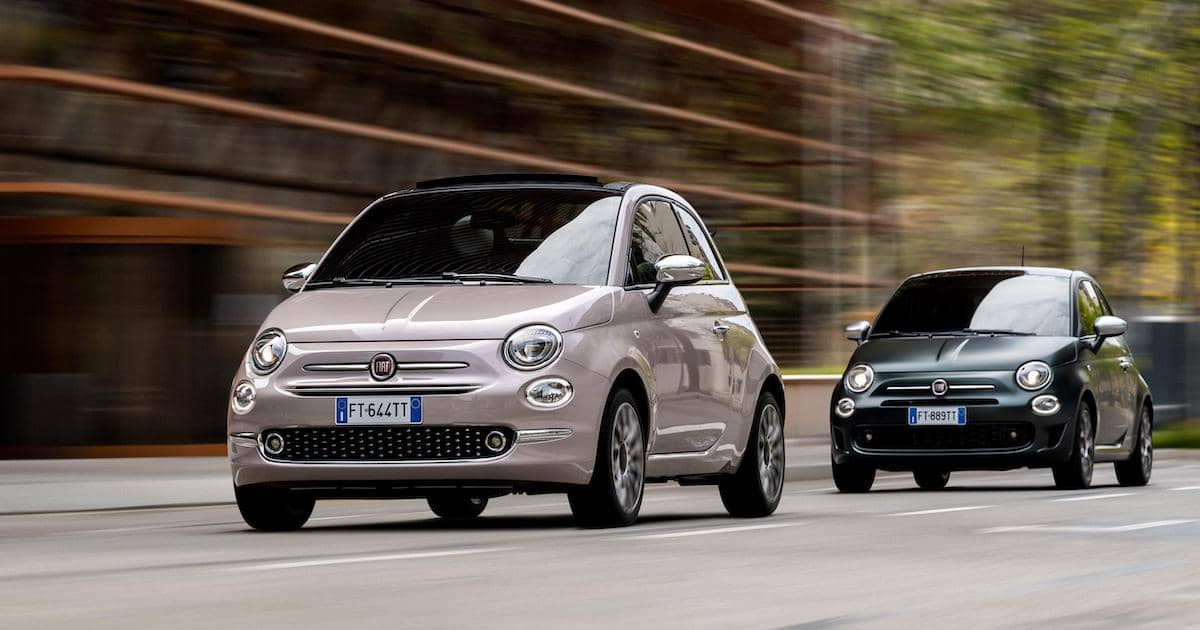
Unique matte champagne paint, chrome badges, ivory interior with Star emblem. Part of the Star/Rockstar pairing — this is the elegant one.
Source This Edition ❯The Fiat 500 Star, launched in 2019, represents Fiat's refined interpretation of the modern city car. Positioned as the softer, more elegant counterpart to the edgy Rockstar edition (launched simultaneously), the Star embraces contemporary sophistication without sacrificing the 500's essential character. The edition targets buyers who appreciate the 500's iconic design and cultural significance but want their vehicle to reflect contemporary elegance rather than aggressive styling. The matte champagne finish is uniquely distinctive, appearing in few other special editions and providing a sophisticated alternative to the saturated colours that characterise many special edition 500 variants.
The Star edition represents a design philosophy that trusts the 500's fundamental proportions and heritage sufficiently that it doesn't need aggressive visual additions. Instead of sport bumpers and dark accents, the Star elevates through refined detailing: chrome mirror caps, panoramic glass roof (standard on most specifications), and an interior featuring ivory trim with embroidered Star badges. The approach is decidedly more "special event dress" than "weekend warrior," positioning the Star within a specific market segment of discerning buyers who value understated elegance.
The Star's signature matte champagne finish is arguably its most distinctive feature. This isn't a standard champagne colour—it's a carefully engineered matte-finish variant that appears in few other production vehicles. The colour sits somewhere between gold and light brown, with warm undertones that create a sophisticated, almost jewel-like appearance. In natural daylight, the matte champagne appears as a refined neutral warm tone. Under artificial light (particularly sodium street lighting), it develops subtle warmth and depth that creates visual interest without appearing garish or overly decorated.
The matte finish technology is similar to that used on the Rockstar edition's matte grey, but the champagne colour creates an entirely different aesthetic impact. Where matte grey appears cool and industrial, matte champagne appears warm and refined. The finish photographs beautifully and photographs even better in person—this is a colour that genuinely benefits from seeing the vehicle in various lighting conditions. Marketing materials struggled to capture the genuine quality of this finish, which is one reason why seeing a Star in person is important before purchase.
The champagne matte finish requires identical care to other matte surfaces: hand-washing with specialist products, specialist sealers rather than traditional wax, microfibre drying cloths, and avoidance of automated car washes and high-pressure washers. However, the champagne finish shows different types of damage than the Rockstar's grey. Water spotting is less visible on champagne than on grey. The warmer tone makes dust accumulation less obvious. This is a finish that is more forgiving than the dark matte grey in terms of daily maintenance, while still requiring proper care to maintain optimal appearance.
Where the Rockstar emphasised matte dark finishes throughout, the Star introduced carefully positioned chrome elements that elevate the visual presentation. Chrome mirror caps are standard on the Star edition, providing a refined accent that catches light and creates visual interest against the champagne body. These aren't heavy, obvious chrome treatments—they're tasteful and contemporary, striking a balance between subtle and noticeable.
The exterior treatment extends to badge finishes and trim details. Chrome badging appears throughout, and the overall effect is one of refinement rather than sportiness. The bumpers on the Star are softer than the Rockstar's aggressive designs—they follow the body contours more closely and feature less angular detailing. This approach allows the champagne paint to be the primary focus rather than the structural elements. The bumper design is more forgiving to minor impact damage and shows parking scuffs less obviously than the Rockstar's more angular designs.
The wheels fitted to the Star edition are typically finished in a lighter tone than the Rockstar's dark alloys. Often presented in silver or polished finishes, these wheels complement the champagne paint beautifully, creating a cohesive light-toned aesthetic that feels contemporary and refined. The wheel design itself emphasizes elegance—flowing lines rather than aggressive geometric patterns.
The panoramic glass roof is standard on most Star editions and represents a significant upgrade over base 500 models. This is not a small sunshine roof—it's a substantial glass panel that extends significantly over the cabin, creating a bright, airy interior environment. The psychological benefit of open sky visibility transforms the driving experience, making the cabin feel more spacious and less claustrophobic. For urban drivers who spend significant time in city traffic, the panoramic roof provides visual interest and a sense of connection to the environment.
The glass used in the panoramic roof is typically tinted or includes a built-in shade, reducing heat buildup in strong sunlight and improving interior comfort. Opening panels on panoramic roofs vary—some allow ventilation only, while others include a larger opening panel. The exact configuration varies by production year and specification, but the defining characteristic is the substantial fixed glass area that provides visual benefits year-round.
Maintenance of the panoramic roof is straightforward. The seals require occasional inspection to ensure they remain watertight, and the glass should be treated the same as standard vehicle glass. Some owners apply specialist glass protection products to make cleaning easier and reduce water spotting. The roof adds minimal weight and doesn't significantly impact fuel economy compared to standard 500s. Insurance costs are unaffected, as the panoramic roof is a standard feature on the Star edition rather than an aftermarket addition.
The interior treatment on the Star is where the edition's refined character becomes most apparent. Ivory-coloured interior trim and seat accents create a light, contemporary environment that contrasts beautifully with the champagne exterior. This isn't stark white—it's a warm ivory tone that photographs beautifully and feels premium in person. The ivory combines with the matte champagne exterior to create a cohesive design language that feels intentional and well-considered.
Star emblems appear on seat headrests, steering wheel hubs, and interior trim, providing subtle brand identity without appearing excessive. These embroidered or embossed details are tastefully executed and serve as identity markers for owners familiar with the edition. The emblem design is contemporary rather than retro, ensuring the Star doesn't feel dated despite its classic 500 heritage.
Seat upholstery on the Star typically combines cloth and synthetic leather or suede-like materials, with the ivory accents integrated into the overall design. The material quality is noticeably higher than base 500 models—this is a car designed for owners who appreciate quality and attention to detail. The seats are comfortable for extended driving, with supportive bolstering that balances comfort with control during spirited cornering.
The steering wheel on the Star is typically finished to match the refined interior aesthetic. The overall design emphasises ergonomics and feel, with grip materials selected for both comfort and tactile quality. The steering wheel diameter and thickness are optimised for city driving, and the overall effect is premium without being excessive. This is the primary interface between driver and car, and Fiat's investment in this component is apparent in the finished product.
The Star edition featured modern conveniences expected of a 2019 city car. Climate control (typically automatic on most specifications), electric windows, power steering, and integrated infotainment systems were standard. Most Star editions included touchscreen displays (typically 7 inches), Bluetooth connectivity for both audio and hands-free calling, USB inputs, and modern trip computers. The integration of these systems into the retro-inspired 500 design is handled tactfully—the technology is present but not dominant.
Higher-specification Star editions could include additional convenience features like parking sensors, reversing cameras integrated into the infotainment display, automatic lights and wipers, cruise control, and hill-start assist. Some vehicles included smartphone integration systems, though the 2019 technology differs from more modern implementations. The overall feature set reflects the expectations of buyers in that era—competent and convenient rather than cutting-edge.
The infotainment interface benefits from being relatively straightforward compared to some contemporary competitors. The menu structure is logical, the touchscreen is responsive, and the overall user experience is positive. Owners report good reliability from these systems, and firmware updates are available through Fiat dealers. The audio system quality is competent—not premium, but significantly better than basic audio systems fitted to economy cars.
Fiat's 2019 UK Star announcement lists two petrol choices: the naturally aspirated 1.2 69 hp and the turbocharged 0.9 TwinAir 85 hp. It did not list a UK 1.3 diesel Star. The 1.2 uses a toothed timing belt; the TwinAir uses a timing chain and requires the correct oil specification.
The 1.2 was available with a five-speed manual or five-speed Dualogic robotised manual. The TwinAir 85 used a five-speed manual in the UK Star specification. There was no CVT or conventional automatic.
Fiat's published standard-engine figures give 0–62 mph in 12.9 seconds and 99 mph for the 1.2, or 11.0 seconds and 107 mph for the TwinAir 85. Wheels and trim can affect type-approval figures, so verify the exact registration.
The Star and Rockstar editions, launched simultaneously in 2019, represent opposite design philosophies. The Rockstar embraced darkness and aggression with matte grey, sport bumpers, and dark accents. The Star embraced light, refinement, and contemporary elegance with champagne matte, chrome details, and ivory interior. Mechanically and electrically, they are essentially identical—the same engines, transmissions, and underpinnings. The visual and tactile differences, however, create entirely different aesthetic experiences.
The Star's panoramic glass roof is a defining feature that the Rockstar does not include. This single component changes the entire interior atmosphere, making the Star feel more open and contemporary. The lighter colour palette of the Star—champagne exterior with ivory interior—creates a perception of airiness and sophistication that contrasts with the darker Rockstar's more dramatic presentation. Neither is objectively better; the choice between them reflects individual aesthetic preference and intended use.
Inspect the matte champagne finish carefully under various lighting conditions. Look for swirl marks, microfibre scratches, or any areas where the matte coating appears compromised. The champagne colour is more forgiving than grey regarding minor scratches, but the finish should still appear uniform and undamaged. Check the lower bumper area and door edges where contaminants collect and minor stone chips occur. Ask about the vehicle's washing and maintenance history—was it maintained by specialists familiar with matte finishes?
The panoramic glass roof deserves careful inspection. Verify that the glass is free from chips, cracks, or delamination. Check that the opening mechanism (if equipped) operates smoothly, and inspect the seals around the glass perimeter for any signs of leakage (water stains on the headliner are a red flag). Ask about the maintenance history of the roof seals and whether any work has been performed. A functioning panoramic roof is a major selling point; one with seal issues is a significant repair cost.
Examine the chrome mirror caps and trim details for any corrosion, oxidation, or damage. Chrome can develop white powdery corrosion if exposed to salt (coastal areas) or harsh weather without proper protection. Any pitting or discolouration is difficult to correct and may require component replacement. The ivory interior should show minimal discolouration or staining—light-coloured interiors can be challenging to maintain, and any visible damage should inform your assessment of how carefully the vehicle was maintained.
Check the star emblems on seat headrests and interior trim. These should be intact, clearly visible, and not faded or discoloured. The overall interior should appear clean and well-maintained, with no obvious worn areas. The steering wheel condition is important—the feel of the wheel in your hands is a genuine indicator of overall maintenance quality. Verify that all electronic systems function correctly, particularly the infotainment and panoramic roof mechanisms.
Service history is crucial. Request documentation showing whether the car has been maintained by specialists familiar with the Star's specific requirements. The matte finish requires knowledge to maintain properly, and previous owners who were unaware of this may have taken the car to standard valeting services. Gaps in service history should raise questions about what other maintenance may have been neglected.
The Star's running costs are broadly aligned with standard Fiat 500 variants, with some specific considerations. Matte paint maintenance is identical to the Rockstar—specialist products, hand-washing, and periodic professional detailing are recommended. The warm champagne tone is somewhat more forgiving than grey regarding water spotting and dust accumulation, potentially reducing maintenance frequency slightly. Budget £150-£300 annually for professional detailing to maintain the finish optimally.
Panoramic roof maintenance is straightforward. Annual inspection of the seals is advisable, and any leakage should be addressed immediately to prevent interior damage. Roof shade mechanism maintenance (if equipped) involves regular cleaning and occasional lubrication of tracks. These are minor costs in most cases, though seal replacement can be expensive if leakage develops.
Service requirements depend on the engine and model year. Check dated invoices, the 1.2 cambelt record, correct TwinAir oil and any Dualogic warnings or diagnostic history. Obtain current insurance and service quotes for the exact registration.
In early 2026, well-maintained Star editions with comprehensive service histories typically trade between £7,500 and £11,000 depending on mileage, condition, and specification. Low-mileage examples with excellent condition can exceed these ranges, particularly if they show evidence of specialist care. The panoramic roof and pristine matte finish are key value factors—examples lacking either of these features trade at lower values.
The Star's collectability is moderate, similar to the Rockstar. The visual distinctiveness, production numbers, and growing appreciation for 2019-era special editions suggest stable to slightly appreciating values over time. The champagne colour, being relatively unique, provides distinctive appeal that may appreciate as buyers develop stronger preferences for distinctive contemporary colours. However, the Star will never command premium values of genuinely rare editions.
The champagne finish requires identical care to matte grey—specialist products, hand-washing, specialist sealers, microfibre drying cloths, and avoidance of automated car washes. However, the warm champagne tone is slightly more forgiving visually. Water spotting is less obvious on champagne than grey, and dust accumulation shows less dramatic contrast. This means champagne finishes can tolerate slightly longer intervals between washing without appearing significantly dirtier. The care requirements are identical, but the visual impact of minor neglect is less severe than with grey.
Minimally. The panoramic roof adds modest weight and potentially creates a slight aerodynamic penalty, but real-world fuel economy impact is negligible (typically less than 2-3%). Many owners report fuel economy figures identical to Star editions without panoramic roofs. The psychological benefit of the roof (making the cabin feel less claustrophobic, improving mood and satisfaction with the vehicle) vastly outweighs the minimal efficiency cost. For practical purposes, the panoramic roof should not influence fuel economy expectations.
The Star and Gucci editions appeal to different audiences despite both emphasizing refinement. The Gucci edition focuses on luxury branding and fashion collaboration, featuring Gucci-specific colours and materials. The Star emphasizes contemporary design and quality without fashion branding. The Star's champagne matte finish is more understated than Gucci's bold colours. The Star likely appeals more to buyers who value design substance over brand cachet, while Gucci appeals to fashion-conscious buyers. Both are collectible, but the Star is arguably more timeless as a design achievement.
The panoramic glass roof was standard on most Star specifications, but some base-level variants may have been equipped with traditional fixed roof panels. When shopping for a Star edition, verify that the specific example includes the panoramic roof if this feature is important to you. The roof is visually distinctive and a significant part of the Star's appeal. Examples without panoramic roofs may trade at slightly lower values, as the feature is widely expected on this edition.
Not in the traditional sense. Matte finishes should never be machine-polished with aggressive compounds—this damages the matte coating and creates glossy spots. If the matte finish appears dull, the solution is specialist detailing using matte paint-specific restoration products. These are chemical rather than abrasive treatments, designed to clean and restore the finish without altering its matte character. In most cases, professional detailing can restore dull matte finishes to pristine condition. Heavy swirl marks or damage may require professional paint correction, which is more complex and expensive than standard detailing.
Absolutely. Despite its refined aesthetics, the Star is fundamentally a practical city car designed for daily use. It excels at urban commuting, parking in tight spaces, and navigating congested environments. The panoramic roof provides genuine daily benefit, improving the driving experience in stop-start traffic. The light ivory interior is more challenging to maintain than dark alternatives, requiring more frequent cleaning to remain pristine. If you have limited access to hand-washing facilities or cannot commit to proper matte paint maintenance, a standard glossy-finished 500 might be more practical. For committed owners, the Star is an excellent daily driver that doesn't compromise on functionality for style.
The UK Star was announced with 1.2 69 hp and TwinAir 85 hp petrol engines, not the diesel comparison previously shown here. Use the car's measured mpg, current fuel price and exact insurance quote to compare the two.
Panoramic roofs occasionally develop seal deterioration after significant time or if maintenance is neglected, but this is not a widespread issue specific to the Star. The seals should be inspected regularly during servicing, and any water stains on the headliner are a red flag indicating prompt attention. When purchasing a used Star, inspect the headliner carefully for any evidence of water damage or staining. A properly maintained panoramic roof should remain watertight throughout the vehicle's normal ownership period. Repair costs for seal replacement can be substantial (£300-£600), so this is an important inspection point.
We actively source rare editions. Tell us what you want and we'll hunt it down.
Start Sourcing Request ❯