 🔍 Browse
🔍 Browse
🔍 Browse
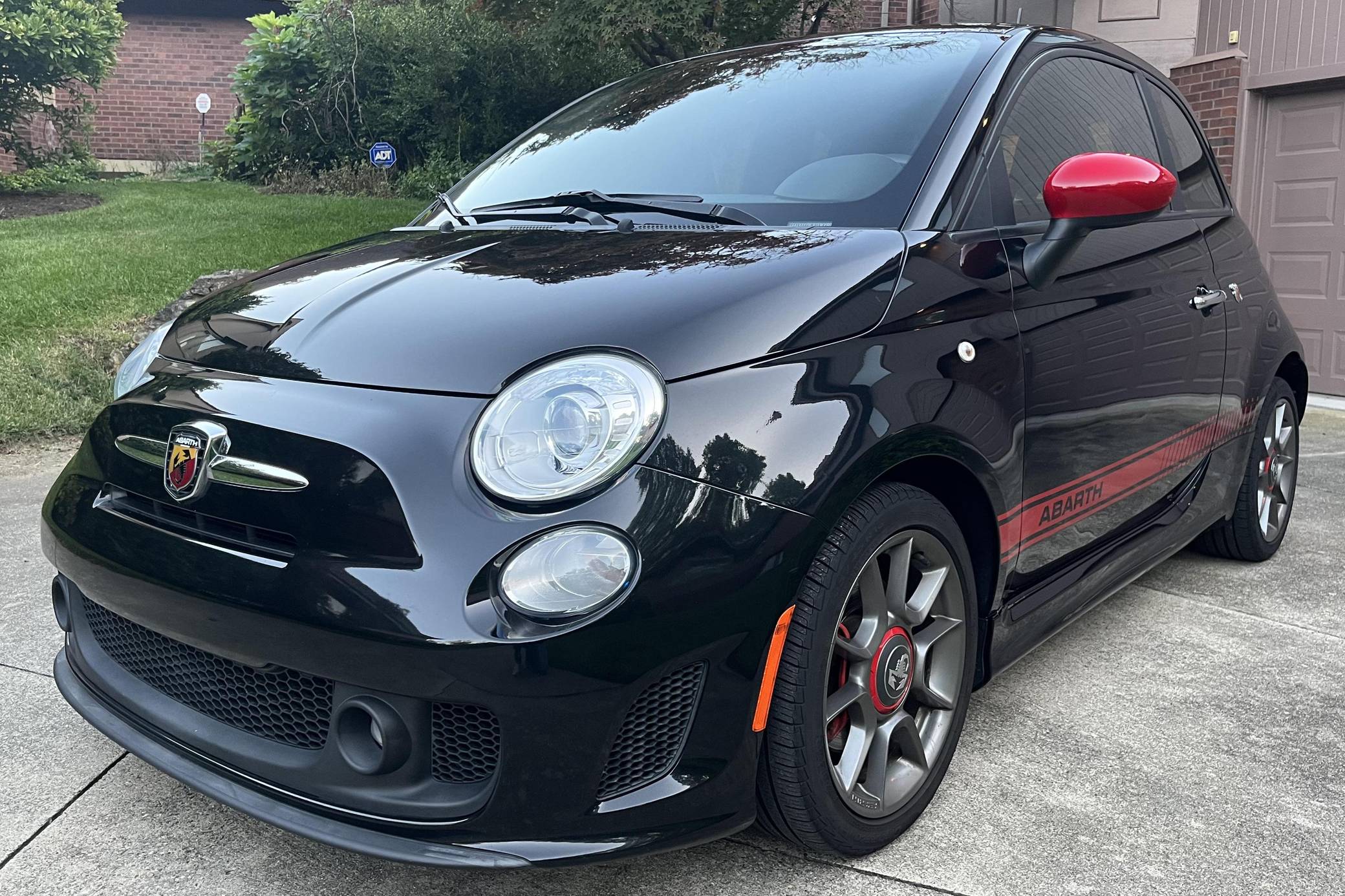
Popular for its sleek, modern look. Shows swirl marks more easily — check paintwork carefully.
Filter Stock by Colour ❯Black is one of the most popular Fiat 500 colours, and for good reason. The 500's rounded, retro proportions are perfectly complemented by black paintwork, creating a sleek, timeless aesthetic that never dates. A black 500 looks sophisticated in an urban setting and commands attention wherever it goes.
However, black presents unique challenges. It shows every blemish—water spots, dust, scratches, and swirl marks are highly visible. Black cars are more expensive to maintain cosmetically, requiring regular washing and detailing. But for buyers who commit to care, a black 500 remains one of the most visually striking choices on the market.
Fiat has offered several black shades across the 500's production run:
All black 500s are fundamentally the same shade family—true black with no blue or brown undertone. The differences between Cinema, Vesuvio, and Crossover are subtle and relate to whether the paint is solid or metallic. For buyers, the key distinction is: metallic blacks hide minor imperfections slightly better.
Black is consistently popular across the Fiat 500 market, ranking in the top three colours alongside white and red. Black cars appeal to buyers seeking sophistication and timelessness. On the used market, a well-maintained black 500 with good history sells quickly and commands premium pricing (often £300–£600 above comparable colours).
Why the premium? Black is perceived as classic and versatile. It suits any age, personality, or style preference. Conservative buyers like it for its formality; younger buyers appreciate its attitude. Resale value is strong, making black a safe choice if you plan to sell within 5 years.
Black Fiat 500 — Key Facts
Washing: Black cars require more frequent washing than lighter colours—ideally weekly in urban environments. Use a two-bucket method: one with soapy water, one with plain water for rinsing the wash mitt. This prevents dragging dirt across the paint, which causes swirl marks. Always use a pH-neutral car shampoo, never household detergent.
Drying: Never air-dry a black car. Water spots become visible immediately on black paint. Use a microfibre drying towel immediately after washing. Microfibre minimizes the risk of swirl marks during drying.
Waxing: Apply a protective wax every 3 months. Wax creates a barrier against water, dirt, and minor scratches. It also enhances black's depth, making the colour appear richer and darker. Many detailers recommend ceramic coatings for black cars; these last 2+ years and reduce maintenance burden.
Polishing: Swirl marks and light scratches are inevitable on black cars. Professional machine polishing (2–3 times annually) removes these marks and restores gloss. This costs £200–£400 per session but is worthwhile if you want black to look pristine.
Parking: Park in shade whenever possible. UV exposure causes black paint to fade and oxidize over time. A garage is ideal; a shaded street is acceptable. Extended sun exposure will dull black's lustre within 3–5 years.
Bird Droppings and Tree Sap: Remove immediately. These are acidic and will etch black paint if left for more than a few hours. Always keep a detailing spray and microfibre cloth in the car.
Colour has zero impact on insurance premiums. A black 500 and a white 500 of identical age, mileage, engine, and trim will cost exactly the same to insure. This is a common myth. What does affect insurance: engine size (group 6–8), age, mileage, owner age, driving history, and location. Black's visibility on the road (some argue it's less visible at night) is not factored into insurance quotes.
Black 500s are readily available across the UK market. Most dealer stock includes 1–2 black examples at any time. Fiat 500 Frenzy typically has black examples available; if not, we can source one within 2–4 weeks. Black's popularity means you shouldn't struggle to find one in your price range and with your preferred engine/trim combination.
Yes. Black shows every dust particle, water spot, and swirl mark. You'll need to wash weekly (vs. every 2 weeks for white), wax every 3 months (vs. every 4–6 months), and polish 2–3 times annually. If you're not prepared for this upkeep, choose white, red, or grey instead.
Yes, slightly. Black absorbs more heat than light colours. Interior temperature can be 3–5°C higher in a black car versus white, all else equal. This is manageable with air conditioning and window shades. Parking in shade helps. It's a minor inconvenience, not a dealbreaker.
It's worthwhile if you're committed to keeping the car long-term (5+ years) and want minimal maintenance. Ceramic coating (£400–£800 applied professionally) lasts 2–3 years, repels water and dirt, and simplifies washing. For buyers planning to sell within 3 years, traditional wax is more economical.
Partially. Machine polishing removes a thin layer of oxidized paint, restoring some lustre. However, if fading is severe (UV damage from years of sun exposure), polishing alone won't fully restore depth. Paint sealant or ceramic coating can enhance appearance, but if the damage is structural, respray may be the only real solution.
Black is an excellent choice if you're prepared for maintenance. The visual impact is stunning, and resale value is strong. However, if you hate frequent washing and detailing, choose white (lowest maintenance) or grey/red (moderate maintenance). First-time buyers should consider their willingness to maintain paintwork before committing to black.
On the used market, black commands a premium of £300–£600 over neutral colours like grey or blue, assuming identical age, mileage, engine, and trim. Red, white, and black are all premium colours due to popularity. Your specific market and the individual car's condition matter more than colour alone.
We source specific colours to order. Just tell us what you want.
Source My Colour ❯