FAQs
Common Questions
What exactly is the Fiat 500X? Is it a real SUV?→
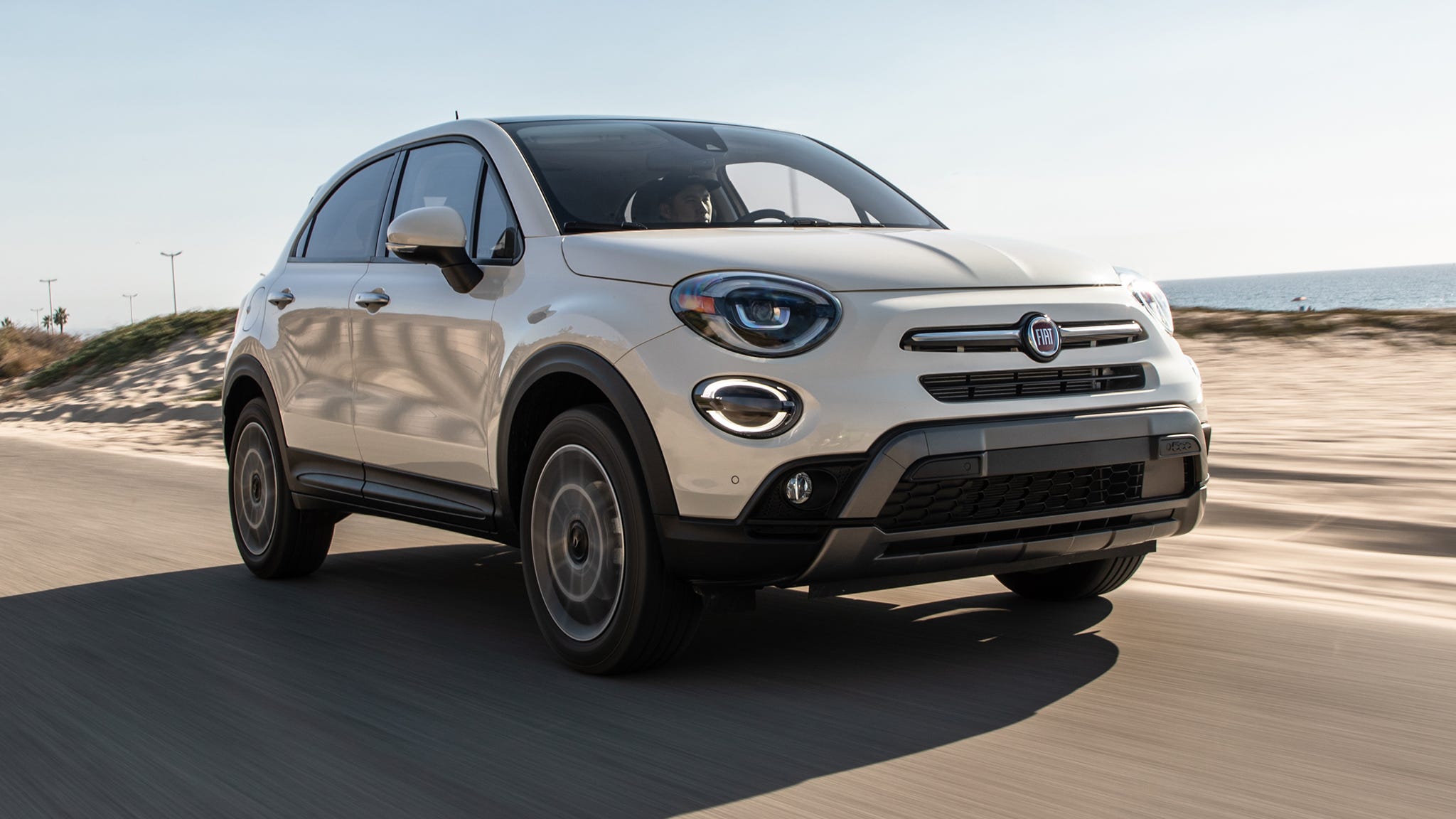
The 500X is a crossover SUV—a car-based crossover, not a true off-roader. It sits on the Jeep Renegade platform (shared with Jeep), giving it proper structural rigidity and driving dynamics. It has the 500's iconic face and Italian charm, but with 4.2m length, higher driving position, and better ground clearance than the standard hatchback. It's brilliant for families wanting more space and presence without sacrificing the 500 brand identity. Think of it as the practical, adventurous sibling.
Is the 500X available with 4x4 or all-wheel drive?→
Yes—certain models offer AWD (all-wheel drive). The 1.0 Turbo AWD, 1.3 Turbo AWD, and 1.6 Diesel AWD variants are available, typically paired with a 9-speed automatic gearbox. AWD adds about £1,500–£2,500 to the purchase price and increases insurance premiums by one or two groups. It's ideal for buyers in snowy regions or those wanting winter traction, though genuine off-road capability is limited. Most 500X buyers choose FWD for running costs and simplicity.
Which engine should I choose for the 500X?→
It depends on your priorities. The 1.0 Turbo (120 bhp) is the entry point—frugal, affordable, and adequate for mixed driving, though it can feel strained on motorways. The 1.3 Turbo (150 bhp) is the sweet spot: 30% more power, better mid-range response, and only slightly thirstier. The 1.6 Diesel (120 bhp) excels if you cover high miles—outstanding torque (320 Nm), superior fuel economy (50+ mpg real-world), and lower CO2. Diesel is best for motorway/towing duties, petrol for moderate use. Avoid high-mileage petrols older than 2012; earlier models had timing chain stretch issues.
How does the 500X compare to the MINI Countryman?→
Both are compact crossovers with similar dimensions (around 4.2m long). The 500X is typically cheaper to buy used by £1,500–£3,000, cheaper to insure by one or two groups, and cheaper to service. The MINI feels more premium, has slightly sharper handling, and better resale value. The 500X offers more accessible Italian style and better value. If budget matters, choose the 500X; if you want the MINI badge and premium feel, pay the premium. Both are excellent choices.
Is the 500X good for motorway driving?→
Absolutely—much better than the standard 500 hatchback. The longer wheelbase (2,570 mm), taller tyres, and heavier body provide a planted, composed ride on the motorway. Engine noise at 70 mph is acceptable but noticeable in the smaller petrol engines; the diesel is quieter and more relaxing for long journeys. Wind and tyre noise are moderate for the class. The higher driving position and good visibility make it less tiring for extended motorway work. Fuel consumption drops slightly at 55 mph versus 70 mph, but not dramatically. Ideal for weekend trips and light business use.
How practical is the 500X for families?→
Very practical. With five proper seats, 350 litres of boot space (1,000 litres with seats folded), decent legroom, and easy entry/exit thanks to the raised driving position, it's perfect for small families. Child seats fit without fuss. The panoramic glass roof (on higher trims) adds airy appeal for children. The only drawback versus the 500L MPV is a narrower interior and 7-seat unavailability—but for most families, the 500X is the sweet spot between practicality and driving enjoyment.
Can I tow with a 500X?→
Yes—the 500X can tow up to 1,200 kg braked (trailers with brakes). Unbraked towing is limited to 500–750 kg depending on the engine. The 1.6 Diesel (320 Nm torque) is the strongest tow engine and most suitable for regular towing, caravans, or horse boxes. The petrol engines are adequate for light boat trailers or garden equipment but feel strained with heavier loads. You'll need a tow bar fitted (not standard) and electricals checked. Consider fuel economy—towing at motorway speeds will reduce the diesel's famous efficiency by 15–20%.
What's the real-world fuel consumption?→
Official WLTP figures are 44–50 mpg, but real-world results vary. The 1.0 Turbo typically achieves 40–45 mpg in mixed driving; the 1.3 Turbo returns 38–42 mpg. The 1.6 Diesel is the efficiency champion at 45–52 mpg, especially on motorways. Driving style, road conditions, and load make a big difference. Cold starts, heavy traffic, and motorway speed (70+ mph) all reduce efficiency. AWD models consume 2–4% more fuel than FWD equivalents. The 50-litre tank gives a comfortable 400–550 mile range depending on the engine.
 🔍 Browse