☰ Menu Fiat 500 Frenzy 🔍 Browse
HomeModels › Fiat 500C Convertible
Fiat 500C Convertible
Model Guide

Used Fiat 500C Convertible for Sale

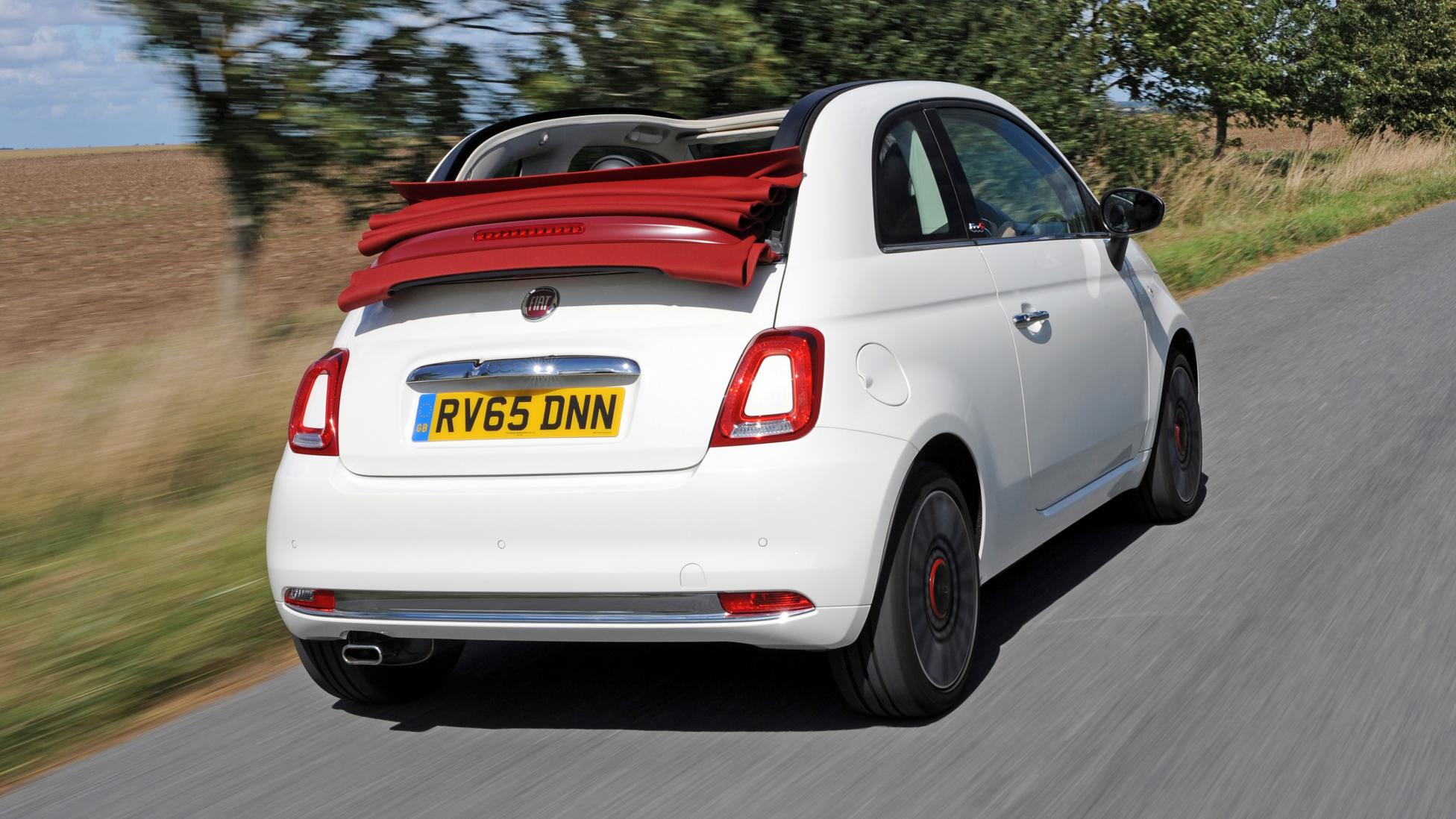
Open-top Italian style. The 500C features a fabric canvas roof that electrically reclines — not a full convertible (the pillars stay), but it adds huge character and open-air fun. Perfect for summer.

Search Our Stock ❯
£4,500+From
2009–24Years
Electric RoofFeature
Key Specs
Specifications & Roof Mechanics
Roof TypeFully Electric Fabric Canvas (Soft-Top Style)
Roof OperationFully Electric with Button Control
Open/Close TimeApproximately 15 seconds
Roof Positions3 (Tilted, Half-Open, Fully Retracted)
Max Speed Roof Open37 mph
Doors3
Seats4
Boot Space185 litres (Roof Up)
Boot SpaceSame (Roof Stows Vertically)
Weight Penalty+10-15 kg vs Hatchback
Insurance Premium+1-2 Groups vs Hatchback
Wind Noise (Roof Open)Slight (Minimal with Screens Down)
Overview
The 500C: Not a Full Convertible, But Truly Special

The Fiat 500C is not a true drop-top convertible. Instead, Fiat engineered a clever compromise: a retractable fabric roof that disappears entirely, pillar-less styling that looks open, but structural A and B pillars that remain for rigidity. The result is something unique—a proper convertible feel without the engineering complexity, structural weakness, or torsional rigidity loss of a full cabriolet. On a sunny day with the roof down and the wind in your hair, you forget the pillars exist.

How the Roof Works

The 500C roof is fully motorised and operates via a single button. Unlike some convertibles that require manual assistance or fumbling with straps, the 500C roof deploys with the press of a button. The operation takes approximately 15 seconds, and the roof can be opened or closed at speeds up to 37 mph (ideal if you're caught in a sudden drizzle on a city street).

The roof is made of multi-layer fabric, not solid plastic or metal. When fully retracted, it stows vertically behind the rear seats in the boot area—boot space remains unchanged at 185 litres. This is a crucial advantage over traditional convertibles, where the boot is typically halved by the retracted roof.

Three positions exist: tilted (just the front section opens—perfect for ventilation without full commitment), half-open, and fully retracted. The tilted position is popular in spring and autumn when you want some air but not full exposure to the weather.

Trim Levels & Availability

The 500C has been available since 2009 in Pop, Dolcevita, and Lounge trims, mirroring the hatchback range. Pop Star came later (2016+). The Dolcevita is the most popular used trim, adding chrome details, pastel paint options, and a white interior with leather steering wheel. The 500C Dolcevita is beloved among enthusiasts and represents exceptional value in the second-hand market—often just £1,000-2,000 more than an equivalent hatchback.

Engine & Performance

Engine options mirror the hatchback: 1.2 petrol (69 bhp), 0.9 TwinAir turbo (105 bhp), and 1.0 mild hybrid (70 bhp, 2020+). The extra 10-15 kg weight of the roof is negligible—acceleration and fuel economy are virtually identical to the hatchback. The soft-top design means the centre of gravity is slightly lower than the hard-roofed hatchback, giving marginally better handling when the roof is open.

Weather Performance

With the roof up, the 500C is as weathertight as the hatchback. The fabric roof is insulated and provides good sound deadening (far superior to older convertible canvas roofs). Visibility is excellent thanks to the large side windows and panoramic glass rear window. The downsides: In winter, frost accumulation on the roof can be annoying (takes longer to defrost than a hard top), and the fabric can develop mildew if the car sits unused and damp. Always operate the roof fully (open/close cycles) at least monthly to prevent seals from sticking and creases from setting. Wind noise with the roof down is minimal at city speeds, though motorway cruising above 60 mph gets noticeably louder. The fabric roof also means less headroom with it fully open compared to a hatchback at night—but the trade-off is the wonderful open-air feeling.
Gallery
In Detail
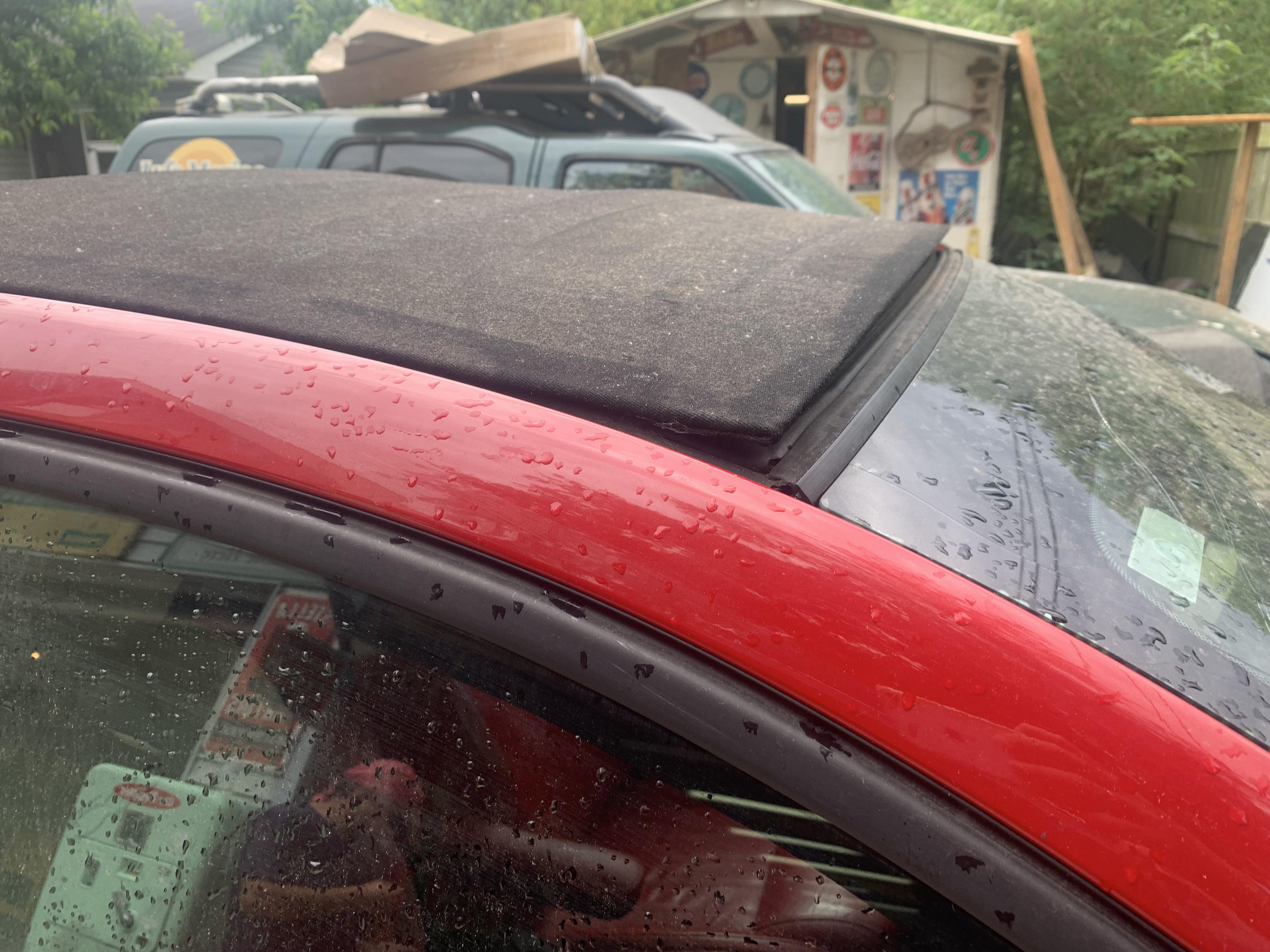
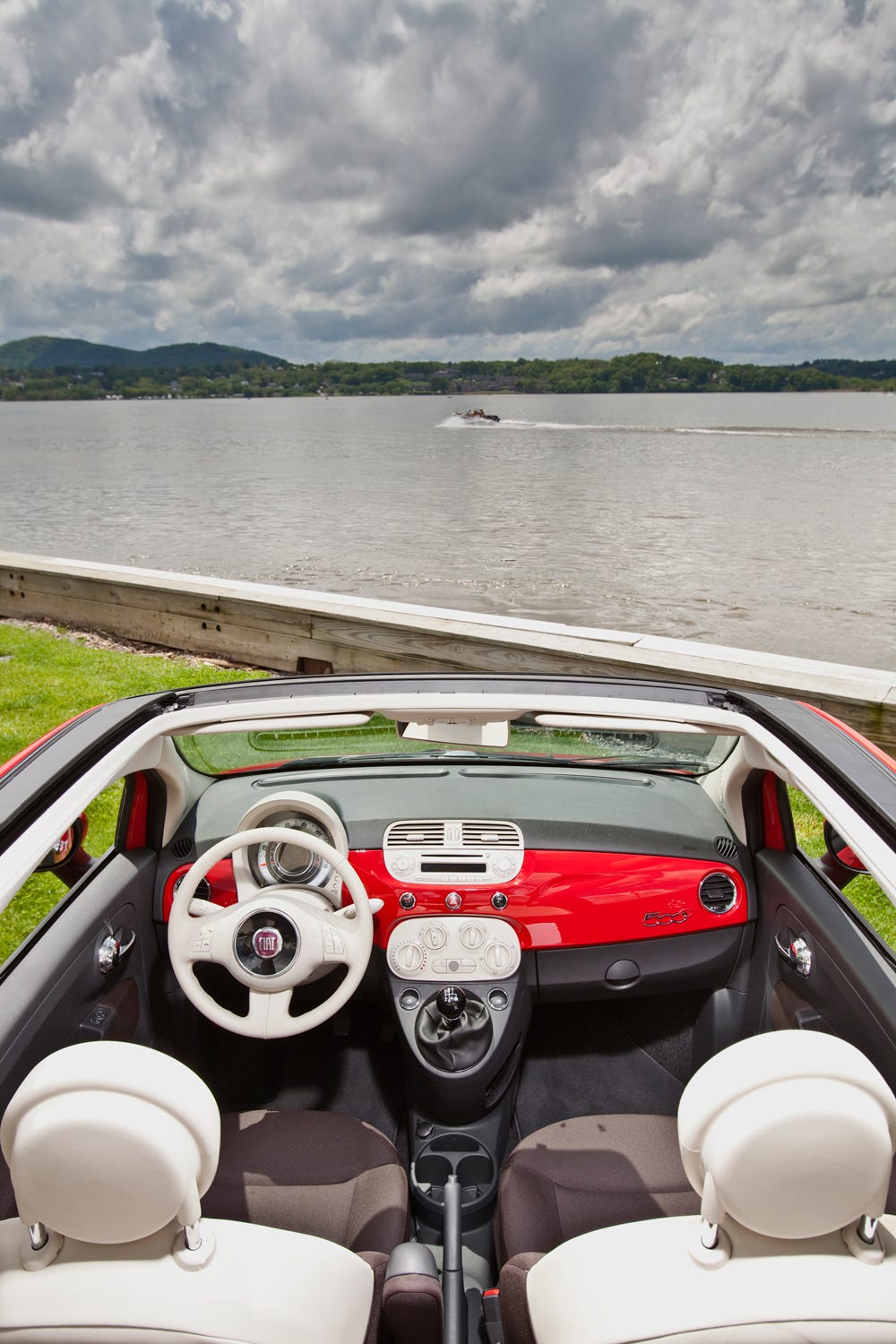
Fiat 500C Roof Mechanism Closeup Fiat 500C Interior Above Open Roof
FAQs
Buying & Ownership Questions
Is the 500C a true convertible?
No—and that's by design. The A and B pillars remain in place, so the structure is as rigid as the hatchback. However, the roof completely disappears, and the pillars are visually minimal (painted black to recede). In practical terms, you get full convertible experience without the flex, creaks, or handling issues of a true soft-top. It's an elegant solution that delivers 95% of the open-air fun with 110% of the practicality.
Does the 500C roof leak?
Not if maintained properly. The main causes of leaks are: (1) Clogged drainage channels—check and clear these annually. (2) Worn roof seals—visible cracking or perishing means replacement (around £400-800 labour). (3) Debris trapped in the mechanism—keep the window guides clean. Always listen for unusual motor sounds and test the roof fully before buying used. A roof that operates smoothly and drains well won't leak.
How much more to insure than the hatchback?
Typically 1-2 insurance groups higher. A Pop 1.2 hatchback might be group 1-2; the equivalent 500C is group 2-4. The premium difference at age 25 might be £30-60 per year. Theft risk is slightly higher (convertibles are statistically more attractive to thieves), but modern 500Cs have good factory immobilisers. Quotes vary by insurer—some treat it as a convertible premium, others barely increase the rate.
What are common 500C roof problems?
Motor failures (2009-2012 cars especially) require a replacement unit (~£800-1,200). Seal degradation and creasing after 10+ years is normal—seals can be replaced. Drainage channel blockage is the most common complaint and easy to prevent with annual cleaning. The mechanism itself is robust; with care, 500C roofs last the life of the car. Avoid cars where the roof hasn't been operated regularly—seals can seize.
Is the 500C suitable for motorway driving?
Absolutely, as long as the roof is closed. With the roof down, motorway driving (even at legal speeds) is noisy and fatiguing. Aim for the roof down on A-roads and urban stretches, closed on motorways. The 500C is genuinely versatile: city car with roof down, practical family runabout with it closed.
What's the difference between 500C and 500C Dolcevita?
Dolcevita (from 2019) replaces Lounge as the top convertible trim. You get: panoramic glass roof option (can you have two roofs?—yes, it's the larger fixed sunroof used on the hatchback Lounge, letting you choose), automatic climate, 7" digital instrument display, chrome exterior details, and perforated leather seats. The regular 500C (Pop/Pop Star) is still excellent; Dolcevita is the luxe option worth considering if within budget.
Can you safely park a 500C outside with the roof down?
It depends on security. The 500C is a theft target—remove valuables always. Parking overnight with the roof down in an unguarded location is risky; indoors or behind a locked gate is preferred. Modern cars have good immobilisers and alarm systems. Some owners fit additional alarms or GPS trackers. Roof-down parking is fine for quick stops in busy areas where the car is visible.

Looking for a Specific Convertible?

We source 500C convertibles in specific colours and specs. Just ask.

Search Our Stock ❯
Fiat 500 Frenzy — Sheffield's dedicated Fiat 500 specialist
Run by Tom Butcher & Shane Green · 60+ years combined experience · Nationwide delivery
© 2026 Fiat 500 Frenzy · All cars subject to prior sale · Finance subject to status