FAQs
Common Questions About the Pop
Is the Pop too basic for everyday use?→
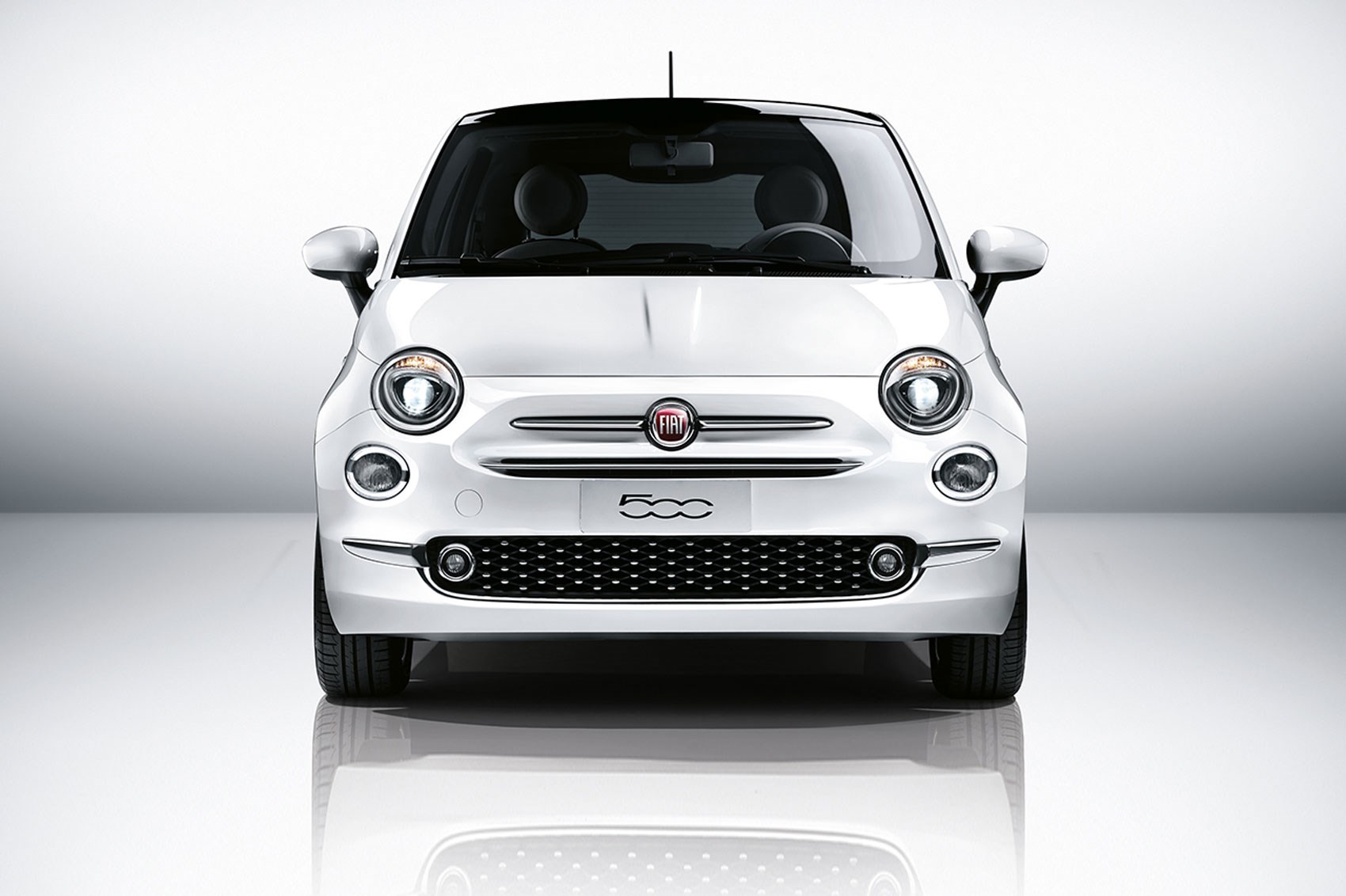
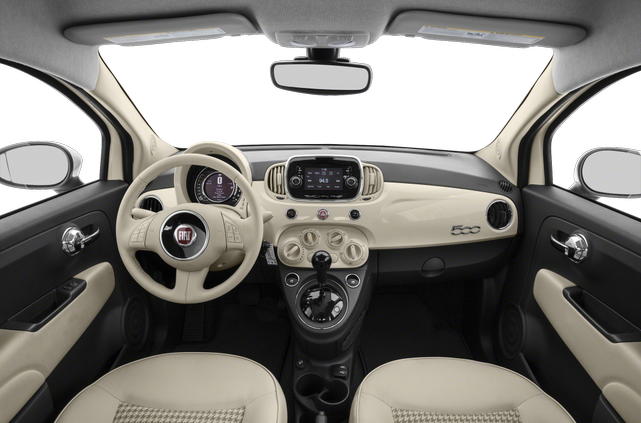
Not at all. The Pop includes essentials: manual air conditioning, electric front windows, remote central locking, 7 airbags, and a radio with USB/AUX. It's genuinely everything most drivers need for city commuting or first-car ownership. What it *doesn't* have is convenience features like alloy wheels, touchscreen, parking sensors, or automatic climate—luxuries rather than necessities. Many experienced buyers prefer the Pop's simplicity over gadget-laden rivals.
What's missing on the Pop vs higher trims?→
Pop has NO: Alloy wheels (14" steel only), touchscreen or connectivity, parking sensors/rear camera, cruise control, automatic climate control, leather or premium seat fabric, roof bars, or colour pack. Pop DOES have: AC, USB, AUX, electric front windows, 7 airbags, height-adjustable steering wheel. The Lounge adds alloys, touch screen, parking sensors, and climate. The Dolcevita adds premium seats and chrome details. Price-wise, the difference is £1,500–£3,000 depending on mileage and age.
Is the Pop good for first-time buyers or young drivers?→
Excellent choice. First, insurance groups are the lowest on the entire 500 range (Groups 2–4 typical), meaning the cheapest premiums for young/inexperienced drivers. Second, the Pop's mechanical simplicity (no fancy infotainment or electronic gadgetry) means fewer things to break or repair. Third, running costs are minimal: air con and basic stereo are the extent of extra consumption. Fourth, the 500's tight dimensions make it forgiving to learn in. Many insurers offer better rates on basic Pops because they appeal to serious buyers rather than show-off culture. A 2019 Pop is genuinely the most cost-effective way to own a 500.
Should I upgrade to a Lounge or stick with Pop?→
Depends on two things: budget and what you'll actually use. If budget is fixed at, say, £3,500, you'll get a low-mileage Pop (e.g., 2020 with 25k miles) or a higher-mileage Lounge (e.g., 2017 with 70k miles). The Pop is likely the smarter buy—lower mileage means less wear on engine and gearbox, fewer future repairs. If you can stretch to £4,500 and want a newer Lounge, the alloy wheels and parking sensors add genuine value (alloys protect wheels better than steel, sensors reduce parking anxiety). But a Pop is never "wrong" unless you *need* a touchscreen for phone integration—in which case, yes, move to Lounge or Icon.
Can I add aftermarket touchscreen, parking sensors, or alloys to a Pop?→
Absolutely—and many Pop owners do. Aftermarket head units with Apple CarPlay/Android Auto cost £300–£700. Parking sensors (front and rear) cost £400–£800 fitted. Alloy wheels cost £80–£200 each (budget £350–£800 for a full set). The advantage is you upgrade only what matters to you. The disadvantage is warranty void risk and potential wiring complications on older vehicles. We recommend genuine Fiat parts where possible and professional fitting. Some buyers find a low-mileage, carefully-maintained Pop plus upgrades better value than a higher-mileage Lounge as-is.
Is the Pop manual or automatic?→
Gearbox availability depends on engine, year and market. The 1.2 normally uses a five-speed manual and the 1.0 hybrid a six-speed manual; selected 1.2 and TwinAir 85 cars were also offered with five-speed Dualogic. Check the registration and original specification rather than inferring the gearbox from the Pop trim.
What about driving experience and comfort on long journeys?→
The Pop is fine for 2–3 hour journeys. Manual air con keeps cabin temperature manageable. Seats are basic cloth but reasonably padded—no premium leather means no extra heat retention in summer. Lack of cruise control makes motorways slightly more tiring on the right foot, but not a dealbreaker for occasional trips. Bump absorption is good for a city car. Wind and engine noise at motorway speeds (70 mph) are present but not excessive on the 1.2 petrol. The TwinAir turbo is noisier. For frequent long-distance work, move to Lounge (cruise control, better insulation) or consider the 500L's superior space. The Pop is optimized for urban enjoyment, not long-haul comfort.
What are common issues or weaknesses on the Pop?→
Reliability depends more on engine, gearbox and service history than the Pop trim. The 1.2 uses a toothed timing belt, so check for dated replacement evidence. TwinAir cars need correct oil and consistent servicing, while Dualogic is a robotised manual rather than a dual-clutch gearbox and should be tested carefully. Also inspect suspension, brakes, tyres and all electrical equipment.
 🔍 Browse