 🔍 Browse
🔍 Browse
🔍 Browse
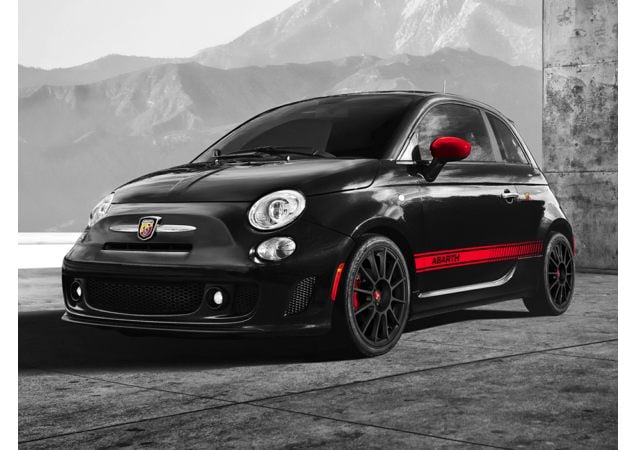
'Cattiva' means 'naughty' in Italian. Matte black detailing, dark alloys, and red interior accents. Short production run — increasingly sought after.
Source This Edition ❯The Fiat 500 Cattiva, produced in 2015, holds a significant place in the modern Fiat 500 lineage. Its name—meaning "naughty" in Italian—set the tone for an edition that deliberately contrasted with the softer, more approachable regular 500 models. This was Fiat's statement vehicle for drivers who wanted their city car to have attitude, personality, and presence. Launched during a period when Fiat was exploring different market segments and design directions, the Cattiva represented a bold aesthetic choice that has only grown more appreciated among collectors and enthusiasts in the years since its release.
Unlike many special editions that are produced across multiple years, the Cattiva benefitted from a single-year production run, making it genuinely scarce today. This rarity, combined with its distinctive black-on-black design philosophy and the growing retrospective appreciation of mid-2010s Fiat design language, has transformed the Cattiva from a niche product into a genuinely collectable vehicle. Today, finding a well-preserved Cattiva requires dedicated searching, and examples in excellent condition command respect from Fiat specialists and collectors worldwide.
The Cattiva's design concept was uncompromising in its execution. Whereas other special editions of the era might mix colours or introduce accent detailing, the Cattiva embraced a purely monochromatic black aesthetic. This wasn't accidental—it was a deliberate design statement that required consistency across every exterior surface. The body is finished in premium black paint (often described as "black obsidian" or "midnight black" depending on specification), and this black extends to virtually every other exterior element.
The sport bumpers fitted to the Cattiva are not chrome-trimmed or contrasting—they're finished in matching black, creating a seamless visual flow from bumper to body. This approach is technically challenging because bumper plastics and body paint behave differently, requiring careful colour matching and finishing to achieve the unified look. The result, when executed properly, is striking: a car that appears as a single piece of dark sculpture rather than a collection of distinct components.
Dark alloy wheels complete the aesthetic. These are finished in a dark anthracite or gunmetal tone, virtually indistinguishable from the black body and bumpers unless examined closely. This dark-on-dark approach creates visual minimalism—the car loses the bright chrome and metallic accents that draw attention and instead presents as a monolithic dark shape. In urban environments with their typical mid-grey concrete and glass architecture, the Cattiva achieves a level of visual drama and contrast that lighter-coloured cars cannot match.
The black-on-black philosophy extended even to trim details that other editions might render in chrome. Mirror covers, window trim, and badge backing are all rendered in dark finishes, reinforcing the unified aesthetic. This approach requires exceptional build quality and attention to detail—any deviation or inconsistency in finish becomes immediately obvious, particularly under strong lighting or when viewed at close quarters.
Where the exterior embraced darkness and minimalism, the interior introduced carefully controlled colour contrast through red accents. This mirroring of the Rockstar edition's design language (though the Rockstar came four years later) created an interior environment that provided visual relief from the monochromatic exterior without compromising the "naughty" character the edition aimed to express.
Red stitching appears throughout the cabin—on the steering wheel, handbrake lever, gear shifter trim, and seat edges. Unlike subtle detailing, this stitching is prominent and intentional, making a clear statement about the car's character. The red creates visual focus points in the cabin and provides a dynamic element that elevates the interior from purely functional to deliberately styled.
Seat materials on the Cattiva are typically upgraded from base 500 offerings, often featuring a combination of cloth and synthetic leather or suede-like materials. The design is youthful and contemporary without being frivolous—this is a car designed for enthusiasts who appreciate quality and design detail. Storage solutions are typical for the 500 class, with practical compartments positioned for daily usability rather than excessive luxury.
The steering wheel is particularly noteworthy on the Cattiva. Beyond the red stitching, the overall design emphasises ergonomics and tactile quality. The diameter and thickness are optimised for urban driving, and the grip materials are selected to feel premium without being slippery. This is the primary interface between driver and car, and Fiat clearly invested in making this interaction pleasurable.
Standard equipment on the Cattiva was respectable for 2015. Climate control, electric windows, power steering, and modern infotainment systems were standard. Many examples featured integrated touchscreen displays with Bluetooth connectivity, and higher specifications included integrated reversing cameras. Air conditioning was standard across the range, and many examples included parking sensors, assisting with urban maneuvering in tight spaces.
The Cattiva was available with two engine choices: the 1.2-litre naturally-aspirated petrol and the 1.3-litre diesel. The petrol engine produced approximately 69 horsepower and 102 Nm of torque, delivering characteristically responsive but modest performance. This engine is refined, reliable, and suited to city driving with adequate performance for motorway cruising. Real-world fuel economy typically reached 48-52 mpg combined, with CO2 emissions around 135-138 g/km—respectable figures for 2015.
The 1.3 diesel was arguably the more popular choice in the UK market. Producing 95 horsepower and 210 Nm of torque, the diesel's primary advantage was superior fuel economy—commonly achieving 52-58 mpg in real-world driving. The diesel's torque characteristics made the Cattiva feel slightly quicker off the line, though top speed and acceleration figures were comparable to the petrol variant. For buyers planning higher annual mileage or prioritising fuel efficiency, the diesel represented better value.
Both engines were paired with five-speed manual transmissions as standard. Some examples, particularly higher-specification vehicles, were equipped with semi-automatic transmission options, though the manual remained the more common configuration. The manual gearbox on the 500 platform is pleasantly mechanical, with a short, precise linkage that makes urban driving engaging. The steering is light and responsive, making the Cattiva a genuinely enjoyable car to drive in stop-start city traffic, despite its modest power output.
Engine availability varied by market, so verify the exact registration. For reference, Fiat quotes 0–62 mph in 12.9 seconds and 99 mph for the 1.2 69 hp. The 1.3 MultiJet figures depend on derivative: 12.5 seconds and 103 mph for the 75 hp version, or 10.7 seconds and 112 mph for the 95 hp version.
The Cattiva's single-year production window in 2015 places it in an interesting period for Fiat. The company was experimenting with different design directions and market segments. The Cattiva represented a confident statement that the 500, despite its retro styling, could be contemporary and even cutting-edge when approached from the right angle. The black-on-black aesthetic was ahead of its time—matte and dark finishes were becoming more common in the automotive industry, but the monochromatic approach was still relatively unusual in the mainstream market.
Production numbers were modest. While exact figures are difficult to confirm, estimates suggest the Cattiva represented a small percentage of 500 production in 2015, likely in the low hundreds globally. This scarcity is intentional—the edition was always positioned as exclusive and special, not as a volume product. The short production run amplified the car's exclusivity and has made finding examples in good condition increasingly challenging as years have passed.
The Cattiva arrived at a moment when younger buyers were increasingly interested in personalisation and individual expression through vehicle choice. The black-on-black aesthetic appealed to this market segment, offering a car that looked nothing like the pastel, fashion-forward 500 variants that had dominated the market in previous years. It was, in many ways, a corrective statement about the 500's design flexibility and potential audience.
Base Cattiva specifications included essential comfort and safety features expected of a 2015 city car. Air conditioning (not automatic in all examples), power steering, electric windows, and a basic infotainment system with USB connectivity and auxiliary input were standard. Many examples featured an integrated touchscreen (typically 5-7 inches), Bluetooth hands-free calling and audio streaming, and modern trip computers displaying average fuel consumption and range to empty.
Safety equipment included driver and passenger airbags, anti-lock braking systems with electronic stability control, and traction control. Depending on specification level, vehicles could be equipped with parking sensors (front and rear), reversing cameras, and hill-hold assist. Some higher specifications included dynamic stability control systems, which improved handling on challenging road surfaces while maintaining the responsive character that makes the 500 engaging to drive.
Wheel sizes typically ranged from 16 to 17 inches, with the larger 17-inch wheels becoming more common on higher-specification vehicles. Tyre choices reflected the balance between efficiency and handling—the Cattiva was not designed as a performance car, and tyre selections emphasised comfort and low rolling resistance over ultimate grip. Winter tyre usage in northern climates was common, and many owners invested in separate winter wheel sets to preserve their dark alloys.
The first priority when inspecting a used Cattiva is the condition of the black paint finish. Black shows every blemish, from swirl marks and microfibre scratches to dust accumulation and water spotting. Examine the paint under different lighting conditions, particularly sunlight, to assess whether the finish shows signs of neglect, poor washing practices, or machine polishing damage. Any colour variation, patchy appearance, or dull areas suggest either poor maintenance or previous repair work.
Check the matching of black finishes across all exterior elements. The bumpers, trim, alloys, and mirrors should all appear uniform in their blackness. Any variation—one component appearing lighter or with a slightly different tone—suggests replacement panels, respray work, or different manufacturing runs affecting finish consistency. This is particularly important because the aesthetic unity of the black-on-black design is the Cattiva's primary appeal.
Inspect the dark alloy wheels carefully for kerbing, impact damage, and corrosion. The darker finish on these wheels can hide corrosion and surface damage, so close inspection is important. Check that all wheels are original and matching (some owners may have replaced damaged wheels), verify tyre condition and tread depth, and assess whether tyres appear to be the original specification or replacements that may not be ideally suited to the car.
The red interior stitching is a visual focus point and an indicator of interior condition. Examine the steering wheel rim closely for any stitching that appears loose, faded, discoloured, or has come undone. Look at the handbrake lever and seat edges similarly. Loose or damaged stitching suggests either manufacturing defect (increasingly unlikely on a car of this age) or heavy use by previous owners. The condition of the stitching should generally reflect the overall mileage and use pattern of the vehicle.
Service history is critical for any used Cattiva. The black paint finish requires specialist knowledge and appropriate care products. Request detailed service records showing whether the car has been maintained by specialists familiar with black paint finishing or by generalist service providers. Any mention of machine polishing or aggressive wax treatments should raise questions about whether the finish was properly cared for throughout its life.
Test all electronic systems thoroughly. The Cattiva's 2015 technology is now over a decade old, and some systems may show age. Verify that the infotainment system operates smoothly, that Bluetooth connectivity functions properly, that parking sensors (if fitted) function and display correctly, and that any other electronic convenience features operate as intended. Ask about any warning lights or system failures that might require attention.
Examine the condition of the sport bumpers closely. These are vulnerable to impact damage, and any mismatches in black finish, evidence of respraying, or damage to the bumper design itself should be carefully evaluated. The bumper design is complex, and damage can be cosmetically obvious even after repair, particularly on a car where finish consistency is aesthetically critical.
The Cattiva's running costs are broadly aligned with standard Fiat 500 variants, though some specific maintenance considerations apply. Black paint requires meticulous care. Specialist black paint protection products are recommended, and professional detailing quarterly or semi-annually helps maintain the finish's depth and lustre. Hand-washing is strongly recommended—automated car washes risk swirling the finish, and high-pressure washers can damage the paint surface. The investment in proper car care products and potentially professional detailing can cost £200-£400 annually for owners committed to maintaining their Cattiva's appearance.
The dark alloy wheels require regular cleaning to prevent brake dust accumulation from becoming visible. While all brake dust accumulates regardless of wheel colour, darker wheels show the contrast more obviously. Wheel cleaning products are standard costs, but owners of the Cattiva often find themselves cleaning wheels more frequently than owners of lighter-coloured vehicles, simply to maintain the desired appearance.
Service costs follow standard Fiat 500 schedules. Oil and filter changes typically cost £80-£120 depending on whether dealership or independent servicing is used. Brake pads, air filters, and other consumables fall within normal ranges for the class. Diesel and petrol variants have slightly different service intervals, with diesel models requiring attention to diesel particulate filter regeneration cycles. Insurance costs for the Cattiva are typically in line with standard 500 models of equivalent age and specification, as the special edition status doesn't significantly impact risk assessment.
Fuel and tax depend on the exact engine and registration. A car registered in 2015 is under the pre-April 2017 CO₂-band system, not the later standard-rate system. Check the recorded CO₂ and current GOV.UK band before quoting its annual VED.
The Fiat 500 platform has proven itself reliable over numerous generations and millions of cars produced. The Cattiva, being based on this proven platform, hasn't been subject to widespread reliability issues specific to the special edition. However, some generic 500 concerns carry through. The semi-automatic transmission models (available on some Cattiva specifications) occasionally display jerky engagement or stuttering, though this is not universal and typically responds to software updates or transmission fluid changes.
Electrical systems on post-2010 Fiat 500 models occasionally exhibit minor gremlins—infotainment system freezes, power window hesitation, or interior light operation issues are occasionally reported. These are typically minor and resolved through firmware updates or simple adjustments. The door latches on some units have been reported as feeling loose over time, more of a comfort/NVH issue than a safety concern, and this can usually be addressed through adjustment or latch replacement.
The black paint finish can occasionally show adhesion issues if the vehicle wasn't properly prepared during manufacturing or if it suffered early impact damage. This is rare but worth watching for during inspection, particularly if the paint shows any crazing, peeling, or delamination. The darker finish makes any such issues immediately obvious.
The sport bumpers, being more extensive than standard designs, occasionally show hairline cracks around stress points if the vehicle has been driven aggressively over poor road surfaces or suffered minor parking impacts. This is cosmetic rather than structural, but worth noting during inspections of higher-mileage examples. The black finish makes any such damage visually obvious, which is both a disadvantage (it shows everything) and an advantage (you can't miss obvious issues).
The Fiat 500 Cattiva represents an interesting collectability profile. Unlike the truly rare limited editions (Prima Edizione, 60th Anniversary), or the high-production volume specials, the Cattiva occupies a middle ground of genuine scarcity combined with growing enthusiast appreciation. In early 2026, well-maintained examples with comprehensive service histories typically trade between £6,500 and £10,500 depending on mileage, condition, and specification. Lower-mileage examples (<30,000 miles) or those with exceptional condition can exceed these ranges, while higher-mileage examples or those showing maintenance neglect may fall below.
The Cattiva's collectability is likely to increase over time. The visual distinctiveness, the single-year production run, and the growing retrospective appreciation of mid-2010s Fiat design all support upward value movement. The black-on-black aesthetic, once potentially controversial, now appears prescient given the automotive industry's embrace of dark finishes and matt/satin surface treatments. A Cattiva that was considered "difficult to resell" five years ago would likely find enthusiast interest today.
The condition of the black finish is the primary value determinant. Pristine examples with evident specialist care command premium prices, while examples showing significant swirl marks, damage, or neglected finishes see values decline more noticeably than would be expected based on mileage alone. The finish's visual prominence means that condition is immediately apparent to any potential buyer.
The Cattiva's appeal is strongest among collectors and enthusiasts aged 25-50 who appreciate design-forward thinking and special edition exclusivity. The car has developed a modest but genuine following in Fiat forums and among specialists, and this enthusiast community supports values better than pure numerical rarity would suggest. Specialist dealers report consistent (if not constant) interest in well-presented Cattiva editions.
The exact reason for the single-year production run is not officially documented, but several factors likely contributed. The black-on-black aesthetic was unconventional for mainstream markets in 2015, and sales may have been modest compared to more conventional special editions. Fiat's product strategy often involves rotating special editions to maintain freshness and drive new customer interest. The Cattiva may have served its marketing purpose within a year, or sales volumes may have been insufficient to justify continued production. The single-year run, whether intentional or market-driven, has inadvertently transformed the Cattiva into a desirable limited edition today.
More difficult than lighter colours, but not impossible. Black shows every imperfection—dust, water spots, swirl marks, and microfibre scratches are all visible. The key is using proper washing technique: hand-wash only using a two-bucket method with soft microfibre wash mitts. Use black paint-specific wash products. Never use a standard car wash facility (risk of swirling) or high-pressure washers. Dry immediately with clean microfibre towels to prevent water spotting. Apply specialist black paint sealers (not traditional wax) every 3-6 months. Professional detailing quarterly maintains the finish optimally. If properly maintained, black paint looks exceptional; if neglected, it looks terrible. The Cattiva owner must commit to this maintenance schedule.
Yes, increasingly so. While it will never reach classic car status or command the premium values of ultra-rare editions like the Prima Edizione, the Cattiva has definite collectible credentials. The single-year production, distinctive black-on-black design, and growing appreciation for 2015-era special edition Fiat 500s all support collectibility. Values have remained stable to slightly appreciating over recent years. The Cattiva appeals to serious enthusiasts and collectors who value design consistency and production rarity. Within the Fiat 500 collector universe, the Cattiva has become a genuinely sought-after model.
Several other special editions have offered black colour options, but the Cattiva is unique in embracing complete black-on-black themeing. Other editions might offer black body paint with chrome accents, different-coloured bumpers, or contrasting interior elements. The Cattiva's unified black approach—extending to bumpers, alloys, mirrors, and trim—is distinctive. This design commitment is what makes the Cattiva visually unique within the broader 500 special edition landscape. Other black 500s exist, but none match the Cattiva's complete black philosophy.
Paint condition should be your first and most important inspection point. Examine the black finish carefully under multiple lighting conditions. Look for swirl marks, microfibre scratches, dull areas, colour variation, and any evidence of heavy polishing or respraying. Check that bumpers, trim, and alloys all match in their blackness—any variation suggests component replacement or inconsistent finishing. Then check service history (was the car maintained by specialists who understand black paint care?), interior stitching condition (is red stitching intact or loose?), and electronic systems functionality. A Cattiva with an excellent paint finish and proper service history is a gem; one with a neglected finish is problematic.
No. The Cattiva is based on the standard Fiat 500 platform, so mechanical parts, fluids, filters, and other consumables are standard 500 items available from any Fiat dealer or general parts supplier. The special edition status doesn't affect mechanical compatibility or parts availability. The only specialisation required is understanding black paint care during servicing—knowing not to use aggressive compounds or automated washing. Any Fiat specialist or dealer can service a Cattiva without difficulty. The main consideration is finding a service provider who understands the specific care requirements for black paint finishes.
The petrol engine typically achieves 48-52 mpg in mixed real-world driving (city and motorway combined), with urban-only driving sometimes reaching the lower end of this range. The diesel usually achieves 52-58 mpg real-world. These figures assume normal driving practices and well-maintained vehicles. Aggressive driving, motorway-only use, or poor maintenance can reduce these figures. Cold-start city driving (typical urban commuting) produces lower economy than mixed driving. The diesel's superior economy becomes most apparent on higher-mileage vehicles or those used on longer journeys. For pure city driving in short bursts, both engines perform similarly in terms of fuel consumption.
Yes, absolutely. Despite its premium special edition status, the Cattiva is fundamentally a practical city car designed for daily use. It's well-suited for urban commuting, parking in tight spaces (the compact dimensions are an advantage), and navigating city streets. The main consideration is the black paint finish, which requires more careful maintenance when daily-driven. If you have limited access to hand-washing facilities and cannot commit to proper paint maintenance, a standard glossy-finished 500 might be more practical. For committed owners who can maintain the finish properly, the Cattiva is an excellent daily driver that looks extraordinary.
The Cattiva falls into the same insurance groups as standard 500 models with equivalent engine specification—typically groups 5-7 depending on whether the 1.2 petrol or 1.3 diesel is fitted. The special edition status doesn't affect insurance rating. A 1.2 petrol Cattiva would be in a similar group as a standard 1.2 petrol 500 of the same year. This means insurance quotes should be competitive and aligned with any comparable 500 from 2015, regardless of special edition status. Modified vehicles or those with non-standard equipment might be rated differently, but standard Cattivas attract standard 500 insurance rates.
We actively source rare editions. Tell us what you want and we'll hunt it down.
Start Sourcing Request ❯