
A low-mileage Fiat 500 represents the sweet spot of used car purchasing: genuine value savings compared to brand-new, the psychological comfort of minimal wear and established reliability, and the financial advantage of depreciation cliff having already passed. Yet sourcing true low-mileage examples—under 20,000 miles—requires active hunting because these cars sell immediately.
Low-mileage 500s occupy a peculiar market niche. They're recent enough to feel contemporary, low-mileage enough to feel nearly new, and priced significantly below new pricing. Dealers rarely stock them long; private sellers rarely advertise them publicly. Finding one demands proactive sourcing on your behalf.
What Defines "Low Mileage"
Mileage definitions vary by age. For a 2022 car, 15,000 miles is very low. For a 2018 car, 30,000 miles is low. For a 2015 car, 40,000 miles is reasonable low.
Ultra-Low: Under 10,000 Miles
These are practically new cars. Typically 2022–2024 models. Often single-owner ex-lease or trade-in returns. Less than one year of average mileage. Cost nearly new-car prices (£8,000–13,000 for standard 500s, £12,000–17,000 for electric models). These are genuinely scarce and cost premium money but feel brand new mechanically.
Very Low: 10,000–20,000 Miles
Realistically fresh cars. 2020–2023 models typically. Could be lease returns, owner-occupied light-use cars, or dealer stock. Represents perhaps 5–8% of used market. Still costs significant premiums (£1,500–3,000 above equivalent 30,000-mile examples). These represent the practical sweet spot—genuinely low-mileage but available at reasonable frequency.
Low: 20,000–40,000 Miles
Genuinely low-ish mileage. 2018–2022 models. Might be ex-fleet, careful owner, or light-use lease return. Represents 15–20% of market supply. Costs modest premium (£500–1,500) over average mileage. Mechanically very fresh. Most practical low-mileage category from availability/cost perspective.
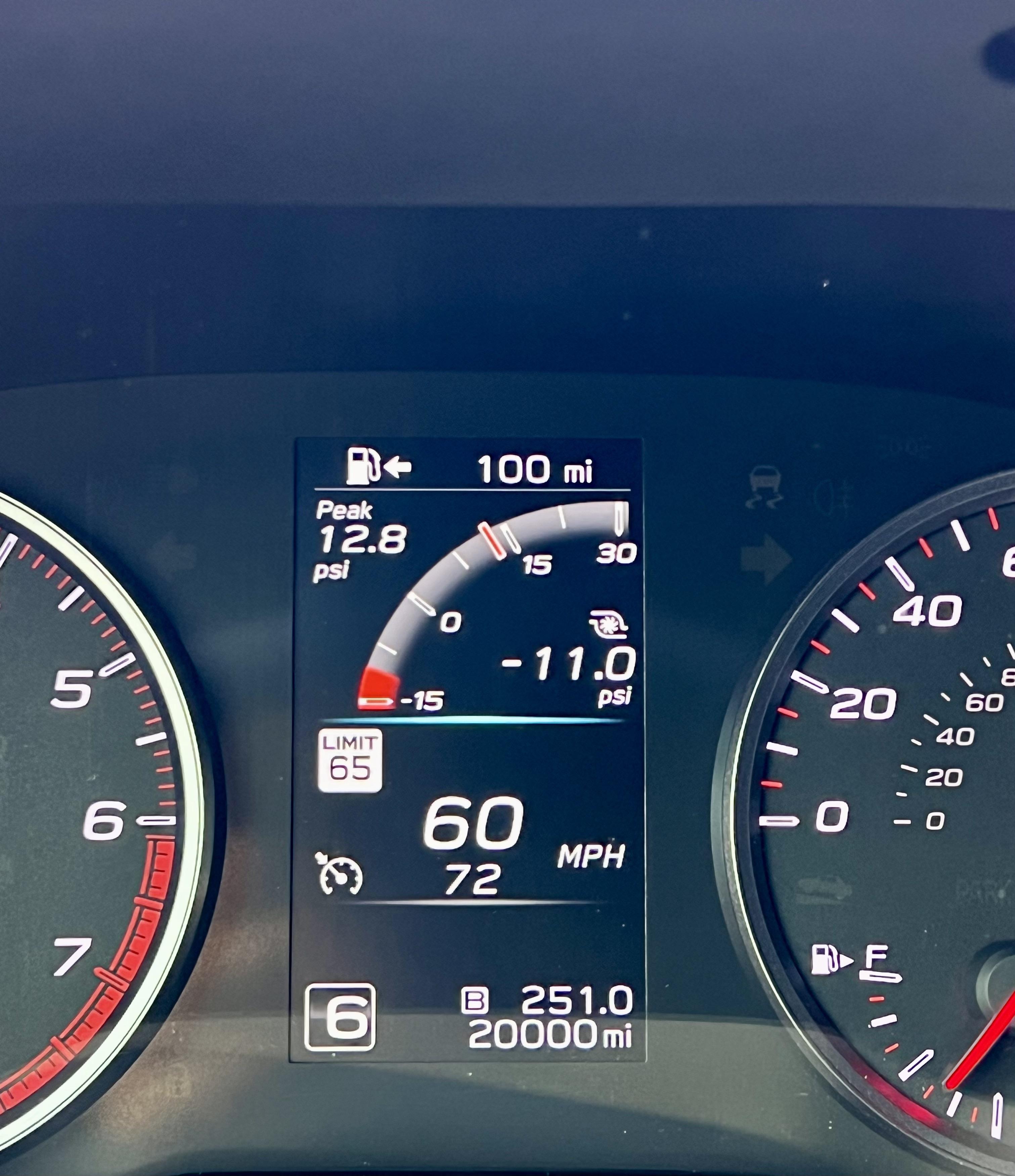
Low-mileage 500s represent minimal wear and maximum remaining mechanical lifespan
Why Low-Mileage Sourcing Matters
Rapid Turnover
A low-mileage 500 advertised at 10:00 am is often sold by 2:00 pm. Dealers list them online, and within hours, local buyers buy them. By the time you see a listing, the car might already be sold. Proactive sourcing—telling us what you want before it's advertised—means we find cars in-pipeline before public listing. We access dealer incoming stock and private notifications that public buyers never see.
Premium Value Preservation
Low-mileage cars depreciate slower than high-mileage equivalents. A £9,000 purchase at 15,000 miles might retain £7,500 value (83%) in 18 months. A £7,500 purchase at 60,000 miles might retain £5,500 value (73%) in same period. Low-mileage sourcing protects long-term value.
Warranty Peace of Mind
Our 3-month/5,000-mile warranty on any sourced car covers mechanical systems completely. On a low-mileage car with minimal accumulated wear, warranty claims are extraordinarily unlikely. You're buying confidence in mechanical integrity.
Extended Service Intervals
A low-mileage 500 with full service history might not need oil change for 10,000+ miles. You inherit months or years of service interval cushion. Brake pads have thousands of miles remaining. Parts feel fresh. You're not immediately facing £400–600 in deferred maintenance.
Sourcing Ultra-Low-Mileage 500s: Challenges
Limited Supply
Under-10,000-mile cars represent maybe 2% of used 500 market. Under-20,000-mile represents 5–8%. When demand exceeds supply, getting what you want requires patience and flexibility. We hunt continuously, but if you want a very specific combination (2023 Abarth 695, under 15,000 miles, Nero Opaco, turbo—that's extremely narrow), realistic timeline is 4–8 weeks.
One-Owner Verification Challenge
Buyers prioritize "one owner" as a proxy for careful use. Yet mileage alone doesn't guarantee good ownership. A one-owner car with infrequent servicing is worse than a two-owner car with full history. We prioritize service history quality over owner count—a low-mileage car with full Fiat service history is genuinely better than a one-owner example with vague maintenance history.
Odometer Fraud Risk (Minimal But Real)
Mileage fraud exists. A car might display 30,000 miles when actual mileage is 80,000. Digital odometers can be rolled back, though modern cars make this harder (2015+ models log mileage electronically, making fraud more detectable). We verify mileage through MOT history (records miles at every MOT), service records (should document progressive mileage), and our own assessment (a car showing 20,000 miles should show minimal wear patterns). MOT history alone confirms genuine mileage—MOT records are legally binding and fraud-proof.
Low-Mileage Inspection Priorities
Service History Verification
We check every available service record against the exact engine and model-year schedule. Low mileage does not remove time-based requirements, but a universal 10,000-mile rule is not appropriate. Dated Fiat or reputable independent invoices should show what was done and which oil, filters, plugs, fluids or belts were used.
Wear Pattern Assessment
We physically inspect for wear consistency with claimed mileage. A 20,000-mile car should show minimal brake wear (80–90% pad remaining), fresh wiper blades, minimal dashboard wear, untouched interior. Excessive wear inconsistent with low mileage suggests true mileage is higher or the car was driven very hard. We photograph brake pad thickness, steering wheel condition, seat bolster wear, and interior trim condition.
Oil Condition & Change Intervals
We check engine oil condition (should be clear or light amber, not dark). Fresh oil indicates recent service. Dark oil suggests overdue service. Oil change intervals should match service history—if service records show last oil change at 5,000 miles and the car now has 18,000 miles, we verify if scheduled service is upcoming (it should be at 20,000). Skipped services are red flags.
Fluid Freshness
Low-mileage cars should have fresh fluids throughout: clean coolant (should be pink/red, not rusty), clear brake fluid (hydraulic fluid shouldn't darken), clean transmission fluid (should be clear or slightly amber). Old fluid suggests age despite low mileage—the car might be old stock or have sat unused for extended periods.
Tyre Age & Condition
Low-mileage cars with old tyres (5+ years old) indicate extended storage or neglected maintenance. We check tyre age via sidewall DOT codes (four-digit code indicating manufacture date). A 2021 car should have 2021–2022 tyres; older tyres suggest the car sat unused. Tyre tread should be 7–10mm minimum (nearly new). We assess if tyres are original factory equipment or have been replaced.
Low-Mileage Pricing Reality
Under 10,000 Miles: £1,500–3,500 Premium
Very low-mileage examples cost substantially more. A 2022 500 with 8,000 miles costs roughly £1,000–2,000 more than same model with 25,000 miles. Ultra-low examples (under 5,000) cost £2,500–3,500 premiums. This premium reflects scarcity, like-new condition, and faster future value retention.
10,000–20,000 Miles: £800–1,500 Premium
Practical low-mileage pricing. Still costs meaningful premium over average but accessible sweet spot. A 2021 500 with 15,000 miles costs £800–1,200 more than equivalent with 35,000 miles. This premium is recoverable in resale—you'll recoup some of the extra cost when you sell.
20,000–40,000 Miles: £300–800 Premium
Marginal premium over average mileage. Genuinely low-mileage but accessible pricing. Worth the investment if you plan to keep the car long-term (premium cost is recovered through better condition and slower future depreciation).
One-Owner vs. Service History: Which Matters More?
Marketing often emphasizes "one owner" as superior. Reality is more nuanced:
One Owner + Full Service History = Ideal
Single owner with meticulously documented Fiat dealer servicing is genuinely excellent. You know car history intimately. These command premium pricing justifiably.
Two Owners + Full Service History = Preferred
Two owners isn't a red flag if both maintained the car properly. What matters is service consistency. A two-owner 500 with flawless full history is mechanically superior to a one-owner example with vague "serviced when needed" history.
One Owner + Vague History = Risky
A one-owner car without proper documentation is less attractive than a two-owner equivalent with detailed records. You don't know if maintenance was quality or whether services were skipped. Vague maintenance history suggests potential neglect regardless of owner count.
Multi-Owner + Full History = Acceptable
Multiple owners isn't inherently problematic if each owner maintained the car property. Fleet cars (often multiple owners) with full fleet service records are reliable—they're maintained on schedule because business depends on it.
We prioritize service history quality and wear pattern consistency over pure owner count. A well-maintained two-owner low-mileage 500 is better than a one-owner example with indifferent maintenance.
Sourcing Low-Mileage Timeline
2021–2023, any colour, petrol hatchback, under 30,000 miles. This flexibility allows faster sourcing. We likely surface options within 7–10 days.
2022–2023, under 15,000 miles, particular colour, full service history. This specificity requires active sourcing. 2–3 weeks is realistic.
2023, under 10,000 miles, one specific colour, manual transmission, full Fiat service history. Ultra-low mileage and specificity means 3–6 weeks realistic for quality matches.
True Cost of Low-Mileage Ownership
Lower mileage doesn't mean lower total cost of ownership—it improves some costs while creating others:
Advantages
Service intervals are extended (first major service might be 3,000+ miles away). Brake pads, wiper blades, and filters are fresh (no immediate replacements). Mechanical warranty coverage feels safer (minimal wear means warranty unlikely needed). Resale value retention is stronger (depreciates slower). Psychological satisfaction of "nearly new" ownership is genuine.
Disadvantages
Purchase premium (£1,000–3,000 extra upfront) must be recouped through resale or extended ownership. Financing costs are higher if you finance the premium. Some premiums are never fully recovered—low-mileage premium evaporates as the car ages.
Break-Even Analysis
If you pay £2,000 premium for low-mileage, you need to retain that £2,000 in resale value to break even. If you buy a low-mileage car and keep it 6+ years, the premium is likely recovered. If you own 2–3 years, the premium might not fully recover—the extra £2,000 cost might only save £1,200 in resale.