
The Abarth 500 is the performance incarnation of Italy's most iconic car. Where the standard 500 is charming and economical, the Abarth is visceral—turbocharged, intentional, and gloriously opinionated about being driven rather than merely transported. The distinctive scorpion badging, the aggressive stance, the unmistakable three-cylinder turbo growl, and the responsiveness of its chassis transform the 500 formula entirely.
Yet sourcing an Abarth 500 requires understanding this isn't just a faster regular 500—it's a different beast with different ownership implications. Turbo engines need attention, performance brakes work harder, insurance costs more, and fuel consumption reflects the enthusiasm under the bonnet. Finding the right Abarth means matching power output, spec level, service history quality, and driving-use history.
Abarth 500 Variants: Power & Character Tiers
Abarth 500s come in distinct power levels, each with different character and pricing implications.
Standard Abarth 500 (145 hp)
Turbocharged 1.4-litre three-cylinder, 145 hp, 0–60 in 8.9 seconds. This is the entry-level Abarth—genuine performance over a standard 500, but not extreme. Costs £7,500–10,000 for 2015–2018 examples with reasonable mileage. These cars make sense for drivers wanting Abarth character without extreme running costs. Fuel consumption is 45–50 mpg mixed driving. Insurance groups are moderate (15–16). Modifications are rarer on 145 hp cars; they're typically stock standard.
Abarth 500 TurboSport (160 hp)
Turbocharged 1.4-litre, 160 hp output, 0–60 in 8.5 seconds. Intermediate variant produced 2013–2018, bridging standard Abarth and the high-output 595/695. These are rarer—fewer produced than 145 hp or 195 hp models. Prices £8,000–11,000 for good examples. These cars appeal to drivers wanting more power than 145 hp but seeking slightly lower running costs than 195 hp variants. Genuinely under-the-radar performance option.
Abarth 595 (180 hp)
The modern "595" designation replaced older branding around 2012. Turbocharged 1.4-litre, 180 hp, 0–60 in 7.8 seconds. This is the contemporary sweet spot—genuine performance (sub-8 second 0–60), modern turbocharged character, but not extreme. 2016–2020 examples cost £9,000–13,000 depending on mileage and spec. These are more common than earlier variants because the 595 branding represents the newer generation. Fuel consumption 42–48 mpg. Insurance groups 16–17. These cars represent the most balanced Abarth ownership—performance without overwhelming running costs.
Abarth 695 Rivale / Esseesse (190–195 hp)
Top-tier standard production Abarths. 1.4-litre turbo, 190–195 hp depending on variant, 0–60 in 7.5 seconds. These are genuinely quick—approaching hot hatchback performance in a retro-styled package. 2017–2020 examples cost £11,000–15,000+. The 695 badge appeals to enthusiasts wanting maximum factory performance. Fuel consumption is 40–46 mpg. Insurance groups 17–18. These cars attract drivers with mechanical sympathy—Abarth 695 ownership implies engagement with driving dynamics rather than casual performance appliance use.
Special Editions & Limited Variants
Abarth periodically releases limited editions (Record Monza, Turismo, Scorpioneoro, etc.). These carry Abarth's core turbocharged engines but include cosmetic distinctions, interior trim variations, or exclusive colour treatments. They cost 5–10% premiums over equivalent-power standard Abarths. Collector appeal is modest (these aren't rare enough for significant value appreciation), but ownership satisfaction is higher—the sense of owning something intentional.
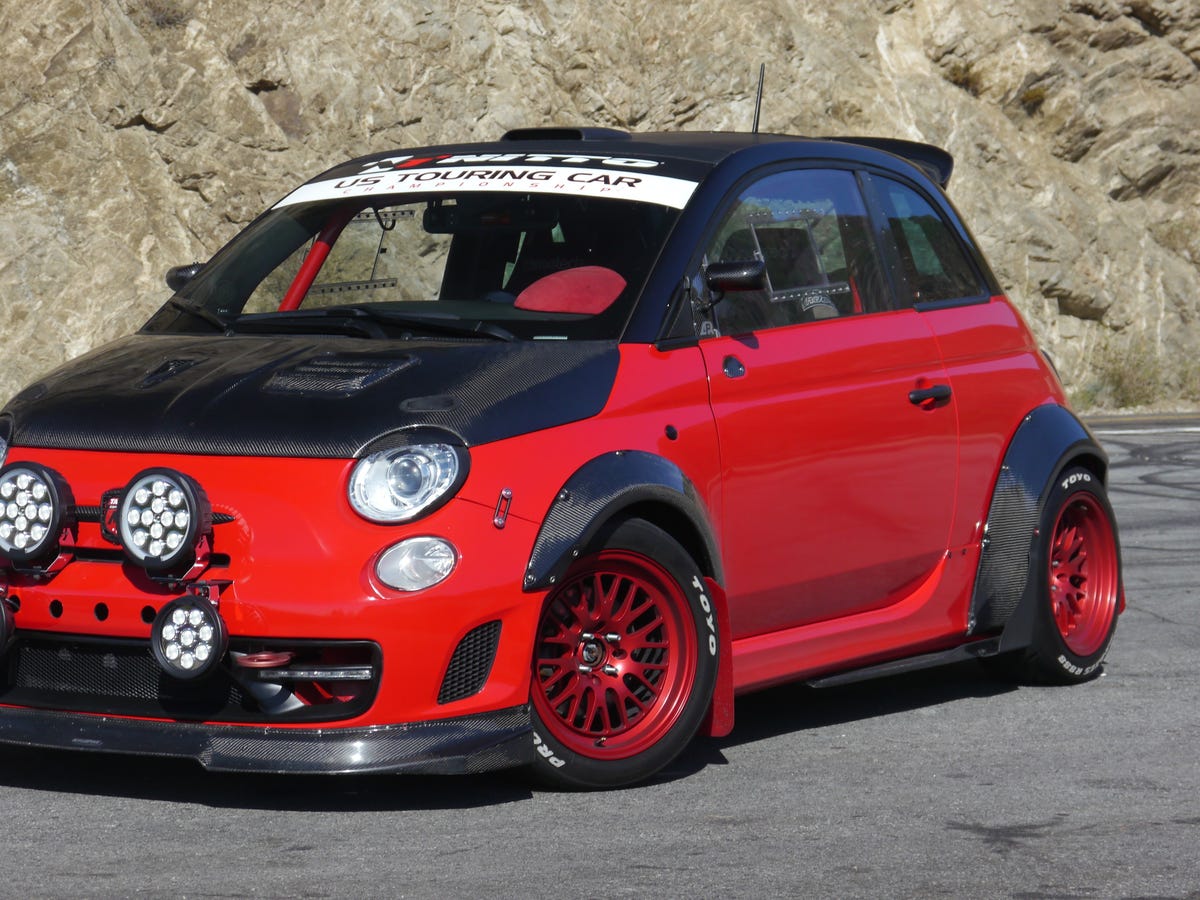
The Abarth 500 combines iconic 500 styling with turbocharged performance and aggressive character
Why Abarth Sourcing Differs from Standard 500
Turbo Engine Inspection Priority
The turbocharged engine is the Abarth's character and weakness. We inspect turbo condition intensively during sourcing. A failing turbo costs £800–1,500 to replace. A car neglected (low-quality oil, erratic maintenance, aggressive cold starts) may damage the turbo prematurely. We assess turbo health by listening to engine startup (no whistling, grinding, or lag), checking maintenance records for regular oil changes (critical for turbos), and reviewing service history quality. Owner history matters more for Abarths than regular 500s.
Service History Weight
An Abarth with poor history carries more risk because engine, turbo, brakes and suspension are worked harder. We prioritise dated main-dealer or Abarth-specialist invoices, the correct oil and filter specifications, timing-belt evidence and documented turbo work. Compare intervals with the exact model-year schedule rather than applying one 10,000-mile rule to every derivative.
Driving History Significance
An Abarth's mechanical condition reflects its driving life. Cars consistently driven hard but properly maintained are fine. Cars driven aggressively but neglected are damaged goods. We assess this through service intervals (gaps suggest neglect), parts replacement patterns (premium maintenance vs. budget fixes), and engine bay condition (clean and organized vs. patchy repairs). Owner feedback, if available, helps paint a picture of whether the car was enjoyed properly or abused.
Performance Modifications Assessment
Some Abarth owners modify their cars—ECU tuning for more power, exhaust upgrades, suspension tweaks. We document modifications extensively, because they indicate how the car has been used (enthusiastically or recklessly) and may affect warranty validity, insurance implications, and resale value. A professional tune on a 595 is generally acceptable; a cheap remap on a 145 hp car raises questions about why someone felt compelled to modify a lower-power variant.
Sourcing Timeline for Abarth 500
You want any Abarth 500, any power level, any colour, budget up to £10,000, under 50,000 miles. Flexibility allows faster sourcing. We likely have candidates within 7–10 days.
2018–2020 Abarth 595, red colour, under 30,000 miles, full service history. This is specific enough to require active sourcing but broad enough to yield candidates within 10–14 days.
2020 Abarth 695 Rivale, Nero Opaco, under 20,000 miles, manual transmission, full Fiat service history, no modifications. This specificity will take 2–3 weeks because fewer 695s exist and your specifications narrow supply.
Abarth-Specific Inspection Checkpoints
Turbo Condition
We listen carefully during engine startup—a healthy turbo spools quietly with no lag. Delayed response, whistling, or grinding suggests bearing wear. We drive the car across a range of speeds, assessing throttle response (should be crisp, not sluggish). We review exhaust smoke (none should be visible). We check turbo inlet/outlet for carbon buildup (minor acceptable, heavy suggests neglect). We verify boost pressure by reviewing any diagnostic data available.
Cooling System
Turbos generate heat; adequate cooling is essential. We inspect coolant condition (should be clear/pinkish, not rusty), coolant level, radiator exterior for debris or impact damage, and intercooler hoses for leaks. We verify the cooling fan operates correctly. Poor cooling shortens turbo lifespan dramatically.
Fuel System Integrity
We check fuel injectors are OEM (crucial for turbo engines, as quality matters), fuel filter condition, fuel pump operation, and fuel pressure (if diagnostics available). Poor-quality fuel system components degrade turbo performance and longevity.
Exhaust System
We inspect the exhaust for damage, corrosion, or poor repairs. A damaged exhaust affects turbo back-pressure and engine performance. Cheap welded repairs are red flags; OEM or quality replacement parts are expected.
Transmission Robustness
Abarth engines produce meaningful torque. Manual transmissions should operate smoothly—clutch take-up should be progressive, gearchanges positive, no grinding. Automatics (fewer Abarths) should shift smoothly without hesitation or harsh engagement. Heavy driving with poor maintenance can degrade transmissions faster in turbocharged cars.
Brake Condition
Abarth 500s are equipped with upgraded brakes vs. standard 500s. We assess pad wear, rotor condition, brake fluid freshness, and brake feel (should be progressive, powerful, no sponginess). Worn brakes on performance cars suggest either hard driving (acceptable if recent replacement) or neglect (problematic).
Common Abarth Sourcing Scenarios
The Weekend Enthusiast
Owner: Works regular job, drives Abarth Friday evening through Sunday with moderate spirited driving, maintains carefully. Result: Generally excellent condition. Full service history, clean engine bay, responsive character. These are ideal sourcing candidates.
The Daily Driver Modded
Owner: Drives Abarth daily, has applied ECU tune and exhaust mods, keeps it relatively maintained but drives aggressively. Result: Higher mileage, some wear, modifications noted. These cars still function well if properly tuned and maintained, but represent higher-engagement ownership. We document modifications thoroughly and assess mechanical soundness despite use.
The Neglected Cosmetic Queen
Owner: Cares deeply about appearance (pristine paintwork, clean interior, aesthetic mods) but neglects mechanical maintenance. Result: Looks gorgeous, turbo struggling, service history sketchy. These are cars to avoid—beautiful exterior masks mechanical problems. We identify these through service record gaps and engine bay assessment.
The Owned-Too-Long Trade-In
Owner: Kept Abarth 6+ years, now wants upgrade. Result: Higher mileage (60,000+), genuine wear, but often well-maintained because owners got used to the car. These can be excellent value if service history is complete. We assess whether mileage is reflected in mechanical wear or if the car has been cherished despite age.
Abarth vs. Standard 500: Cost of Ownership
Buying price is just the start. Abarth running costs matter:
Insurance
Abarth 500 insurance costs roughly 30–50% more than standard 500 equivalents. Group 15–18 vs. Group 12–14. Budget £900–1,400 annually for Abarth vs. £600–900 for standard. Young drivers pay substantially more for Abarth (performance insurance penalty).
Fuel Consumption
Abarth 145 hp achieves 45–50 mpg real-world mixed driving. Abarth 595 achieves 42–48 mpg. Abarth 695 achieves 40–46 mpg. Spirited driving reduces these by 5–10%. Standard 500s achieve 50–55 mpg. Budget £80–120 more monthly fuel costs for Abarths depending on power level and driving style.
Service Costs
Standard Abarth servicing (oil/filter/inspection) costs £150–200 per service. Major services (filters, brake fluid, spark plugs) cost £300–400. Turbo-specific work (if needed) costs significantly more (£500–1,500+ for major work). Budget £400–500 annually for Abarth maintenance vs. £250–350 for standard 500.
Depreciation
Abarth 500s depreciate slightly faster than standard models due to narrower appeal—they suit enthusiasts, not mainstream buyers. A £12,000 purchase depreciates roughly 12% annually vs. 10% for standard 500s. This is modest and reflects the performance car market reality.