
The Fiat 500e represents a pivotal moment in the 500's evolution. It's entirely electric, radically quick, endlessly charming, and a completely different ownership experience compared to petrol siblings. Yet sourcing the right 500e requires understanding EV-specific considerations that don't apply to traditional cars: battery size, charging infrastructure context, real-world range performance, and battery health verification at purchase.
Unlike petrol 500s, used electric 500s are scarce. The 500e only became widely available in the UK from 2021 onwards, and even now represents perhaps 5–8% of used 500 market supply. Finding exactly what you want—a particular battery size, charging speed tier, colour, mileage window—demands sourcing discipline and EV market knowledge.
The 500e Market: What You Need to Know
Understanding the EV market helps you make informed sourcing decisions and realistic timeline expectations.
Pricing & Battery Size Correlation
The UK Fiat 500e uses 24 kWh or 42 kWh batteries; there is no 118 kWh version. Depending on model year, Fiat quotes about 115–118 miles WLTP and 50 kW DC charging for the smaller battery, or 186–199 miles and up to 85 kW DC for the 42 kWh car. Confirm battery, onboard AC charger and cable from the VIN and specification.
Scarcity of Supply
Perhaps 8,000–10,000 used 500e units exist in the UK market today. Fewer than 2,000 are actively for sale at any moment. Supply is concentrated in London, Manchester, Birmingham, and other urban centres where EV adoption is highest. Rural or regional 500e sourcing may take longer because demand in London means available cars are quickly snapped up by local buyers. This geographic concentration makes nationwide sourcing valuable—we access supply across the entire UK network.
Depreciation & Values
Used 500e values change with age, battery, trim, mileage, condition and warranty. Compare current listings for the same 24 kWh or 42 kWh derivative and obtain a battery-health report rather than relying on fixed site-wide price bands.
Lease Return Flood (Upcoming)
Many 2021–2022 500e vehicles were sold via 3-year leases. These come off-lease during 2024–2025, meaning supply will gradually increase. We anticipate modest lease return availability in late 2026, potentially improving sourcing timelines and creating occasional pricing opportunities. For now, lease returns remain scarce but expect improving supply 12–18 months forward.
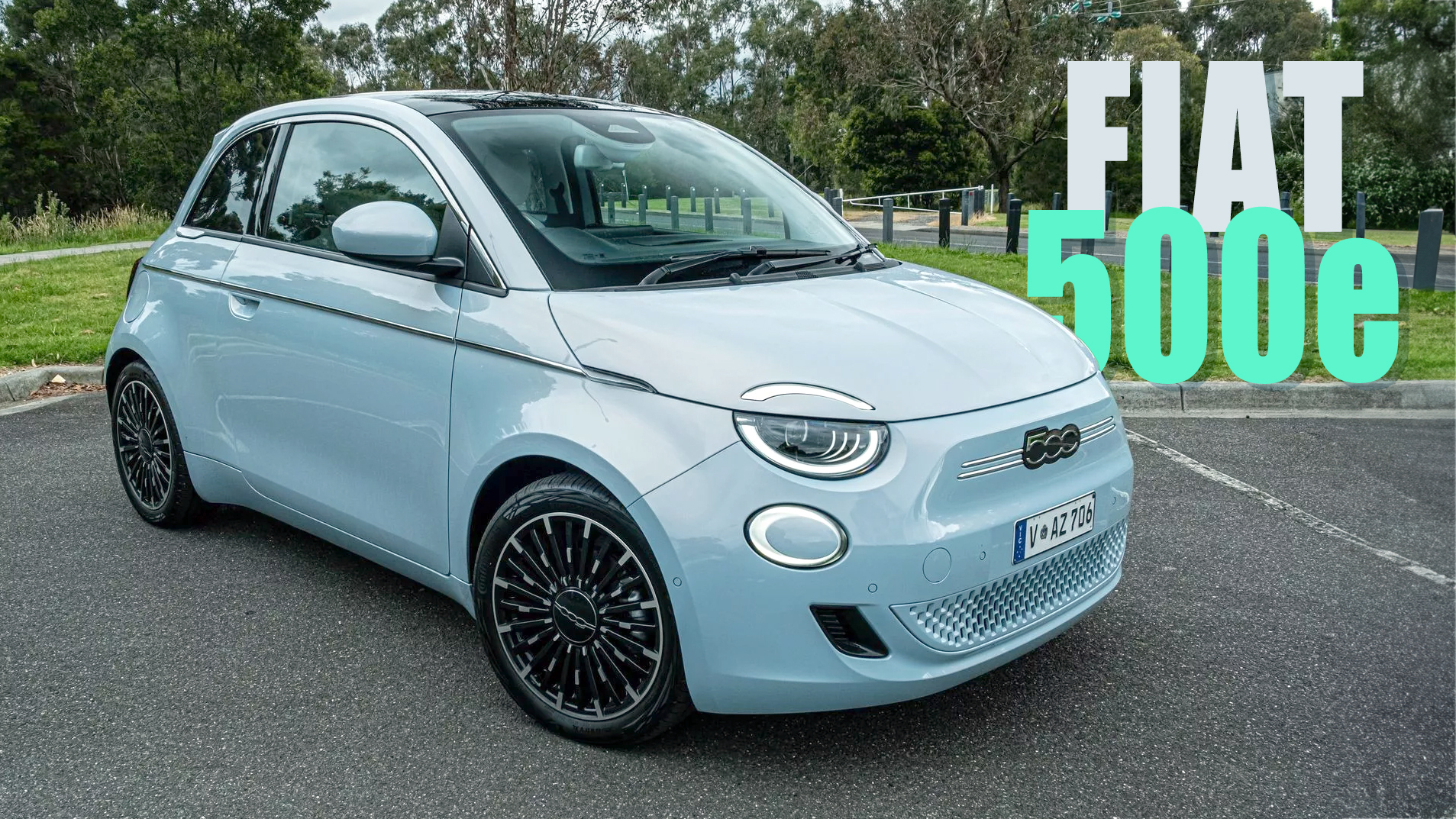
The all-electric Fiat 500e combines zero-emission driving with iconic Italian styling
Battery Technology & Health Assessment
Battery health is paramount in EV sourcing. A degraded battery can dramatically reduce range and lifespan.
Battery Degradation Patterns
The 24 kWh and 42 kWh batteries can lose capacity with age and use, but there is no reliable percentage based on mileage alone. Request a diagnostic state-of-health report, review recent consumption, test AC and DC charging where practical and check the warranty terms for the exact registration.
Our Battery Health Inspection
When we source a 500e, battery health assessment is thorough. We use OBD diagnostic readers to access the battery management system (BMS) and retrieve:
Expressed as percentage. We want 90%+ for cars under 3 years old, 85%+ for 3–5 year old vehicles, 80%+ for older examples. Anything below 80% suggests accelerated degradation and warrants deeper investigation.
We review how many times the battery has charged and discharged. Heavy daily commuters may have 500+ cycles; lighter users under 300. Higher cycles with lower degradation suggests good battery management; lower cycles with high degradation suggests heat stress or fast-charging abuse.
The BMS logs maximum temperatures reached. Excessive heat (over 40°C interior cell temperature regularly) causes accelerated degradation. We check for thermal events, indicating potential cooling system stress or aggressive fast-charging patterns.
Fiat batteries carry 8-year/160,000-km warranties covering degradation below 70%. We verify warranty validity and transferability—your purchased car's battery warranty transfers to you if still within terms.
Real-World Range Testing
Beyond diagnostics, we perform practical range testing. On a dry, temperate day, we charge the 500e to 100% and drive a measured route, documenting energy consumption and estimated range accuracy. We compare real-world consumption against EPA-equivalent ratings to flag inaccuracies or BMS reporting issues. A 42 kWh 500e should achieve 3.5–4.2 miles per kWh in mixed driving; if achieving 2.8–3.0 miles/kWh, this suggests battery degradation or mechanical issues warranting deeper investigation.
Sourcing a 500e: Key Specifications
Battery Size Decision
42 kWh is adequate for urban/suburban driving (typical 30–50-mile daily commutes with home charging). Real-world range is 170–185 miles in moderate weather. Charging at home (7 kW wallbox) takes 6–7 hours 0–80%. Fast-charging infrastructure (50 kW DC) reaches 80% in 30–40 minutes. The 42 kWh costs less and suits predictable routine driving.
The 42 kWh version is the longer-range choice, officially rated at roughly 186–199 miles WLTP and supporting up to 85 kW DC charging. The 24 kWh version is rated at about 115–118 miles and up to 50 kW DC. Choose from actual journeys and charging access, then verify the exact car.
Trim Levels & Feature Sets
Entry 500e models (Action) are basic but complete—air conditioning, electric windows, touchscreen. Mid-range (Dolcevita) adds premium touches: part-leather seats, climate control, parking sensors. Top (La Prima) includes leather, panoramic glass roof, advanced driver assists, premium audio. Trim choice is preference; mechanical EV components are identical. We can source any trim level—request based on must-have feature list rather than trim name.
Colour Variations
The 500e is available in similar colours to petrol variants: Passione Red, Numero Uno White, Grigio Pista, Nero Opaco. White and Red are more common; grey and black less so but available. Colour doesn't affect pricing materially—request preference-based.
Charging Capability
All 500e models support home AC charging (7–11 kW depending on onboard charger). DC fast-charging is available on all post-2022 models. Earlier 500e models (2021) have limited DC charging (25–40 kW). If fast-charging outside the home is important, specify 2022+ model year for best 50 kW+ capability.
Sourcing Timeline for 500e
You want 2022–2023 500e with any battery size, any colour, under 30,000 miles, budget up to £14,000. Flexibility allows us to present options quickly. Supply of basic 500e examples is steadier, so 10–14 days is realistic for good-condition examples.
Example brief: 2023 500e with the 42 kWh battery, Passione Red, preferred trim and under 15,000 miles. We would confirm the battery, charging specification, history and current market price before presenting a car.
Example brief: 2024 500e La Prima, 42 kWh, preferred colour and under 10,000 miles. Specification and warranty can vary by market, so imported stock needs especially careful verification.
EV Ownership Considerations
Home Charging Infrastructure
We strongly recommend installing a 7–11 kW home wallbox before taking delivery. Public charging during commutes adds cost and inconvenience. Installation costs £300–700 depending on electrical work required. If you lack home charging access, the 500e is less practical—you'll depend on workplace or public charging, increasing running costs and reducing flexibility. Discuss charging context during sourcing; we'll factor this into vehicle recommendations.
Public Charging Networks
The UK has robust public charging (Ionity, Shell Recharge, BP Pulse, Tesla Supercharger access, etc.). DC fast-charging costs roughly 25–35p per kWh, depending on provider and speed. AC charging at workplaces or public car parks costs 15–25p/kWh or is free. Running cost advantage over petrol is 3–4x cheaper per mile in electricity costs.
Insurance & Depreciation
Insurance costs are 10–20% higher than equivalent petrol 500s due to repair costs (battery-related work is expensive). Depreciation is stable—used 500e values have found equilibrium. Long-term resale value is strong because EV adoption is accelerating and 500e charm is unmistakable.
Winter Range Penalty
Cold weather, cabin heating, speed and wet roads can reduce range, but the effect varies. Use the correct official figure for the 24 kWh or 42 kWh car, review recent consumption and keep a sensible margin for the journey.
Why 500e Sourcing Matters
You could search AutoTrader, Carwow, or Cazoo, find a 500e in London priced at £13,500, and negotiate online. Or you could tell us exactly what you want, let us find the healthiest battery, most desirable colour/mileage combination, with professional inspection and warranty backing. The peace of mind around battery health justifies sourcing—you're not buying someone else's EV problem, you're acquiring a known-condition, professionally-verified electric 500.