 🔍 Browse
🔍 Browse
🔍 Browse

Which finance type suits you? We break down the differences in plain English.
Get a Quote ❯When it comes to car finance, two main products dominate the market: Hire Purchase (HP) and Personal Contract Purchase (PCP). Understanding the difference between them is crucial, because choosing the wrong one can cost you thousands of pounds or leave you with an unwanted car at the end of the term. This guide breaks down how each works, their pros and cons, and which is right for a Fiat 500 buyer.
Hire Purchase is the traditional car finance product. You're buying the car through the lender. The lender holds legal ownership until you've finished paying, but you own it practically from day one—you drive it, insure it, maintain it, and keep it. Your monthly payment covers interest plus a portion of the car's purchase price. Once you've paid off the full amount, you own the car outright. There's no additional payment at the end, no balloon surprise, no ambiguity about what happens next. If a Fiat 500 costs £6,000 and you're financing at 10% APR over 60 months with a £1,000 deposit, your monthly payment is roughly £106, and after 60 months of payments, the car is yours.
PCP is a different animal altogether. You're not buying the car; you're leasing it with an option to buy at the end. The lender estimates the car's residual value (what it will be worth when the contract ends), and you pay for the difference between today's price and that projected future value. Your monthly payment is lower than HP because you're financing a smaller amount. But at the end of the contract (typically 3-4 years), you face three choices: return the car to the dealer (walk away with no further obligation), pay a "balloon payment" to own it, or trade it in toward a new car. The balloon payment amount is set at the beginning of the contract, so you know exactly what you'll owe if you want to keep the car.
PCP monthly payments are typically lower than HP. Using our £6,000 Fiat 500 example: HP might be £106/month over 60 months. PCP, over 36 months with a £2,000 balloon payment, might be £90/month. That looks attractive. But here's the catch: after 36 months, if you want to keep the car, you need to pay £2,000. If you pay this, your total cost is significantly higher than HP. If you return the car, you've spent £3,240 (£90 × 36) and own nothing. With HP, you've spent roughly £2,120 (£106 × 20 payments, assuming a shorter term) and own a car. The comparison isn't straightforward; you must understand your end-of-contract plans before choosing.
HP Ownership: You own the car at the end. This means you can keep it as long as you want, drive it into the ground, never sell it, or use it as a trade-in whenever you like. There's no mileage limit (though excessive mileage might affect resale value). There's no penalty for driving 200,000 miles or 10,000 miles—it's your car. You can modify it, repaint it, whatever. This ownership is valuable if you plan to keep the car long-term or if you're sentimental about your first car.
PCP Flexibility: PCP is designed for people who like new cars every few years. You can return the car at contract end with no further obligation (assuming you've stayed within agreed mileage limits and kept it in good condition). You're never locked into ownership. But you must return the car or pay the balloon payment; you can't just keep it indefinitely. PCP is excellent if you want a worry-free experience—the lender handles most concerns like warranty coverage. But if you exceed mileage allowances (typically 10,000-15,000 miles/year), you'll pay excess mileage charges (usually 5-10p per mile). Exceeding allowances significantly increases your cost.
Understanding your finance agreement before signing is crucial—HP and PCP are very different structures
HP Clarity: At the end, you own the car. Done. No further obligations. No surprises. This is why HP is often preferred by people who like certainty.
PCP Uncertainty: At the end, you face a decision. If the car's actual market value is less than the balloon payment (common as cars depreciate unpredictably), you might be better off returning it rather than buying it. But if the car's value is higher than the balloon (less common), you're getting a deal. The lender absorbs the residual value risk, not you, which is why PCP monthly payments are lower. But this also means the end-of-contract math can be unpleasant. For example: you've been paying £90/month for 36 months on a balloon payment of £2,000. The car's market value is now £1,500. Paying the £2,000 balloon means paying over market value. Returning the car and walking away is the better choice, but you've just spent £3,240 to drive a car for 3 years with no ownership to show for it.
HP Mileage: No limits. Drive as much as you want. This is a significant advantage if you have a long commute or frequently take road trips. High-mileage drivers should almost always choose HP.
PCP Mileage: Strict limits. Typical allowances are 10,000 miles/year. If you drive 15,000 miles/year, you'll exceed allowances by 5,000 miles over a 3-year contract. At 7p per excess mile, that's £350 in charges. Add that to your monthly payments, and PCP becomes less attractive. High-mileage drivers often find HP cheaper in the long run despite higher monthly payments, simply because they avoid excess mileage charges.
HP Maintenance: You're responsible for servicing and repairs after the initial warranty ends. For a Fiat 500, servicing costs are modest (£100-£200 per service), but it's a cost you must budget for. By contract end, you might face unexpected repairs on an aging car.
PCP Warranty: PCP contracts usually include an extended manufacturer's warranty, so most repairs are covered. This can be valuable peace of mind. However, the lender might impose requirements (service only at approved dealers, maintain a specific maintenance schedule). At contract end, you return the car, so you're not responsible for repairs that emerge later. This is convenient but also means you're not building equity in the vehicle.
HP Condition: It's your car, so condition is your responsibility. If it's scratched, dented, or worn, that's your problem. But wear and tear is natural; lenders understand this. You're not required to return it in showroom condition.
PCP Condition: The lender sets standards. The car must be returned in "good condition." Fair wear and tear is acceptable, but excessive damage incurs charges. If you've been rough on the car, PCP could be expensive at contract end. Some PCP buyers purchase "gap insurance" that covers excess mileage and damage charges, protecting against nasty surprises.
Let's compare costs over 60 months using a £6,000 Fiat 500:
HP Scenario: £1,000 deposit, 60 months at 10% APR = £106/month. Total paid: £7,360. Car is yours at the end.
PCP Scenario: £1,000 deposit, 36 months at 10% APR with £2,000 balloon = £90/month. After 36 months, pay £2,000 balloon to own the car. Total paid: £5,240 (monthly) + £2,000 (balloon) = £7,240. Car is yours.
In this example, costs are similar if you complete the PCP and pay the balloon. But if you return the car instead, you've spent £3,240 with no car to show for it. And if excess mileage applies, costs increase further. The comparison depends entirely on your intentions at contract end.
Choose HP if: You want to own the car outright at the end. You plan to keep the car for more than 5 years. You drive high mileage. You want to modify or personalize the car. You don't want to worry about condition standards or mileage limits. You value certainty and don't like surprises at contract end. You want to avoid balloon payment shock.
Choose PCP if: You like changing cars every 3-4 years. You drive within agreed mileage limits. You want lower monthly payments. You prefer the simplicity of warranty and maintenance inclusion. You want to avoid the uncertainty of how to sell the car at contract end. You like the flexibility of walking away at contract end. You're comfortable with the balloon payment risk.
HP Negative Equity: If you want to exit HP early (sell the car or trade it in), you might owe more than the car is worth if it depreciates faster than you've paid down the loan. This is called being "upside down." To mitigate this, avoid overpaying for a car and consider GAP insurance.
PCP Negative Equity: Less of a concern because the lender sets the balloon payment based on projected residual value. If the car depreciates more than expected, you simply return it rather than pay the balloon. The lender absorbs the loss. But this is why PCP monthly payments are lower—the lender is taking on more risk.
Both HP and PCP can involve a guarantor if your credit or income requires it. The guarantor's role is identical in both: they commit to making payments if you can't. This doesn't change the fundamental structure; it just reduces lender risk and potentially improves your APR.
Misconception 1: "PCP is always cheaper." PCP monthly payments are lower, but total cost depends on your end-of-contract decisions. If you pay the balloon, total cost is often comparable to HP. If you exceed mileage, costs increase significantly.
Misconception 2: "HP is old-fashioned." HP is timeless. It's still the most popular car finance product because it offers ownership clarity. PCP is fashionable but not necessarily better.
Misconception 3: "PCP means you don't have to worry about the car." You still need to maintain it, stay within mileage limits, and keep it in good condition. These aren't free passes; they're contractual obligations.
Misconception 4: "You can't modify a PCP car." You technically can, but most PCP contracts forbid modifications or require that you return the car to original condition. Modifying a PCP car is risky.
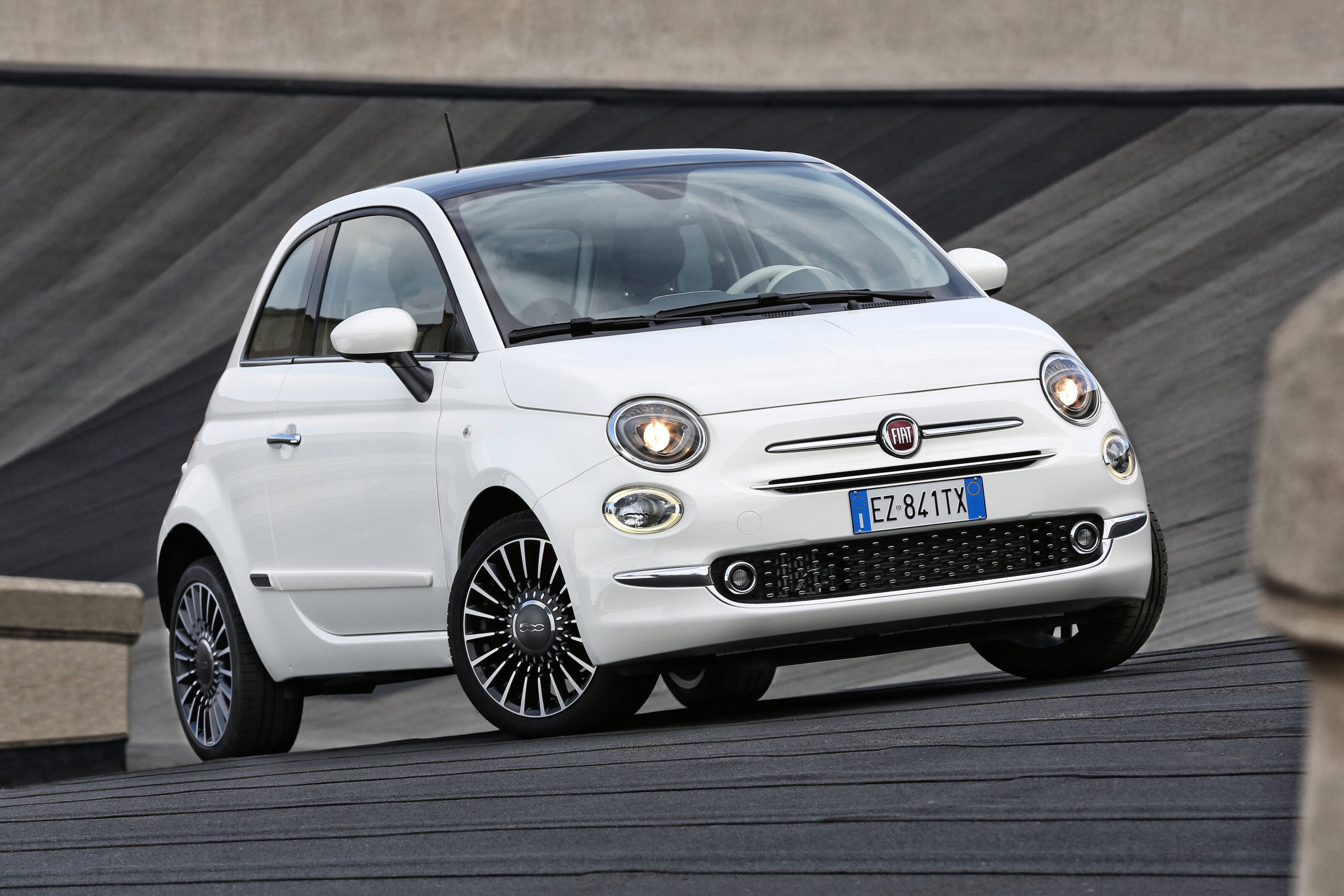
We can help you choose the right finance structure for your situation and goals
Fiat 500s hold their value reasonably well compared to some cars, which is good for HP buyers (less depreciation risk) and good for PCP buyers (balloons are set with this in mind). Fiat 500s are small, economical, and cheap to maintain, which suits both products. If you plan to own the car for 5+ years, HP is better. If you like changing cars every 3 years, PCP is better. The choice really depends on your lifestyle and preferences, not on the car itself.
No credit footprint. No commitment. Just a clear, honest figure.
Start Application ❯